Introduction to Urban Rain Harvesting
As urban areas continue to grow, the importance of rain harvesting becomes increasingly vital. Efficient rain harvesting not only helps conserve water but also reduces the burden on municipal water systems. In this article, we will discuss the best practices for rain harvesting in urban settings, highlighting specific tools that can enhance your efforts.
Understanding Rain Harvesting
Rain harvesting involves collecting and storing rainwater for future use, such as irrigation, flushing toilets, or even potable water if properly treated. Implementing a rain harvesting system can significantly benefit urban dwellers, especially in areas with limited access to fresh water.
Benefits of Rain Harvesting in Urban Areas
- Water Conservation: Reduces dependence on municipal water supply.
- Cost Savings: Lowers water bills by utilizing harvested rainwater.
- Environmental Impact: Decreases runoff and erosion, improving local ecosystems.
- Increased Resilience: Provides a supplementary water source during droughts.
Best Practices for Urban Rain Harvesting
Implementing rain harvesting in urban areas requires careful planning and the right tools. Here are some best practices to consider:
1. Assess Your Rainwater Potential
Before setting up a rain harvesting system, assess the potential for rainwater collection based on your roof size and local rainfall patterns. This will help determine the scale of your system.
2. Choose the Right Storage System
The choice of storage system is crucial. Options include:
- Rain Barrels: Ideal for small-scale harvesting. These are easy to install and maintain.
- Above-Ground Tanks: Suitable for larger collections and provide flexibility in design.
- Underground Cisterns: Efficient for urban settings where space is limited, but involve higher initial costs.
3. Install Quality Gutters and Downspouts
Ensure that your gutters and downspouts are in good condition. They should be free of debris and designed to direct water efficiently to your storage system. Consider using:
- Leaf Guards: These prevent debris buildup, ensuring a continuous flow of rainwater.
- Downspout Diverters: These can direct rainwater from your gutters directly into your rain barrels.
4. Use Filtration Systems
To ensure the quality of the harvested rainwater, especially if you plan to use it for irrigation or indoor use, consider installing a filtration system. A few options include:
- First Flush Diverters: These systems divert the initial dirty runoff from the roof away from your storage tank.
- Sand Filters: Effective for removing sediments and other particles.
5. Optimize Water Distribution
When using harvested rainwater, it's essential to have an efficient distribution system. Consider tools like:
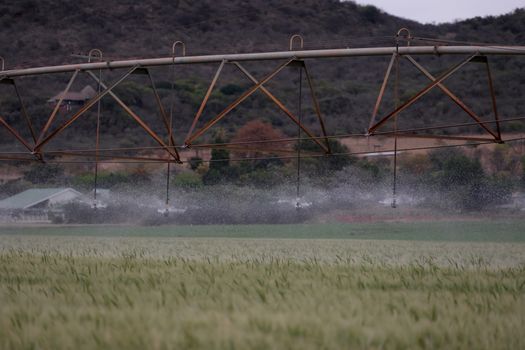
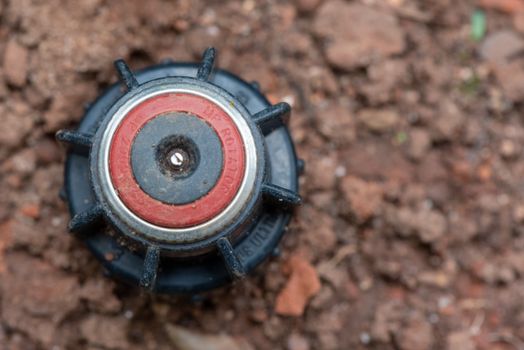
- Drip Irrigation Systems: These provide targeted watering and minimize evaporation.
- Soaker Hoses: Great for garden beds, allowing water to seep slowly into the soil.
6. Monitor and Maintain Your System
Regular maintenance is key to an effective rain harvesting system. Check for:
- Cracks or leaks in storage tanks
- Clogged filters and gutters
- Water quality regularly
Recommended Tools for Rain Harvesting
Here are some specific tools that can enhance your rain harvesting system:
1. Rain Barrel
Pros: Affordable, easy to install, great for small gardens.
Cons: Limited storage capacity, may require multiple barrels for larger roofs.
2. Rainwater Diverter Kit
Pros: Simple installation, directs water straight into barrels.
Cons: May not fit all gutter types; check compatibility before purchase.
3. Filtration System
Pros: Ensures cleaner water, essential for indoor use.
Cons: Additional cost and may require replacement filters.
4. Drip Irrigation Kit
Pros: Efficient water use, reduces evaporation and runoff.
Cons: Initial setup can be complex; may require regular maintenance.
Conclusion
Implementing an efficient rain harvesting system in urban areas is not only beneficial for conserving water but also for creating a sustainable environment. By following these best practices and utilizing the right tools, you can effectively harvest rainwater and contribute to a greener future. Consider using resources like Ted Water System for detailed plans and guidance on setting up your rain harvesting system.
FAQ
1. How much rainwater can I collect?
The amount of rainwater you can collect depends on your roof size and local rainfall averages. A rough estimate is that one inch of rain on a 1,000 square foot roof can yield about 600 gallons of water.
2. Is harvested rainwater safe to drink?
Harvested rainwater can be safe to drink if properly filtered and treated. It is essential to comply with local regulations and guidelines.
3. What maintenance does a rain harvesting system require?
Regular maintenance includes cleaning gutters, checking for leaks, replacing filters, and testing water quality periodically.
📚 Related Articles
🔨 Want 16,000+ Water System Plans?
Get instant access to step-by-step plans with blueprints and cut lists.
Get Instant Access →