Introduction
As the world becomes increasingly aware of the importance of water conservation, integrating smart water-saving tools into our daily lives is more crucial than ever. By utilizing technology and adopting best practices, we can significantly reduce our water usage while maintaining comfort and convenience. In this article, we will explore some of the best practices and tools for smart water conservation, helping you make a positive impact on the environment.
Understanding Water Conservation
Water conservation refers to the practice of using water efficiently to reduce unnecessary water usage. This can involve simple changes in daily habits as well as the integration of smart technologies. Here are some key reasons why water conservation is essential:
- Protects natural ecosystems
- Reduces energy consumption
- Decreases water bills
- Ensures sustainable water supply for future generations
Smart Tools for Water Conservation
By adopting smart tools and technologies, you can make water conservation a seamless part of your daily routine. Below are some recommended tools that can help:
1. Smart Irrigation Systems
Smart irrigation systems adjust watering schedules based on weather conditions, soil moisture, and plant needs. These systems can significantly reduce water waste in gardens and landscapes.
- Pros: Automated scheduling, tailored watering, reduces water bills.
- Cons: Initial setup cost can be high, may require Wi-Fi for full functionality.
2. Water-Saving Showerheads
These showerheads are designed to use less water without sacrificing pressure. Many models come with adjustable settings for different user preferences.
- Pros: Easy to install, affordable, maintains shower quality.
- Cons: Some users may find lower flow rates less satisfying.
3. Smart Water Meters
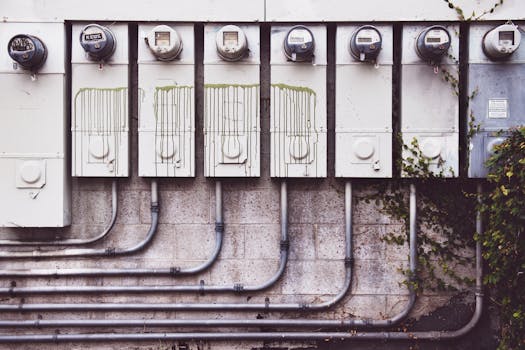
Smart water meters allow homeowners to monitor their water usage in real-time. This data can help identify leaks and track consumption patterns.
- Pros: Instant feedback on water usage, alerts for leaks, helps in budgeting.
- Cons: Installation may require professional help, ongoing subscription fees for advanced features.
4. Leak Detectors
These devices can be placed in areas prone to leaks, such as under sinks or near water heaters. They send alerts to your smartphone if they detect moisture.
- Pros: Prevents costly water damage, easy to install, real-time notifications.
- Cons: Limited to specific areas, may require periodic battery changes.
5. Dual-Flush Toilets
Dual-flush toilets offer two flushing options—one for liquid waste and another for solid waste—allowing users to conserve water depending on their needs.
- Pros: Reduces water usage per flush, environmentally friendly.
- Cons: More expensive than traditional toilets, installation may require professional help.
6. Smart Hose Timers
For those with gardens, smart hose timers can automate watering schedules and adjust them based on rainfall.
- Pros: Easy to use, customizable schedules, reduces overwatering.
- Cons: May require a Wi-Fi connection, limited to garden use.
Best Practices for Daily Water Conservation
In addition to utilizing smart tools, there are several daily habits you can adopt to conserve water:
- Shorten Showers: Aim for 5-10 minute showers to conserve water.
- Turn Off Taps: Don’t let the water run while brushing teeth or washing dishes.
- Full Loads Only: Use dishwashers and washing machines only when full.
- Collect Rainwater: Use rain barrels to collect water for gardening.
- Educate Family Members: Encourage all household members to practice water-saving habits.
Resources for More Information
For those seeking comprehensive plans and resources for water conservation, Ted Water System offers a range of tools and guides that can help you implement effective water-saving strategies in your home and garden.
Conclusion
Integrating smart water conservation practices into your daily life is not only beneficial for the environment but also for your wallet. By utilizing the right tools and adopting mindful habits, you can make a significant impact on water conservation. Start today and join the movement towards a more sustainable future.
FAQs
1. How much water can I save by using a smart irrigation system?
Smart irrigation systems can reduce water usage by up to 50% compared to traditional systems, depending on the specific model and settings.
2. Are water-saving showerheads effective?
Yes, water-saving showerheads can reduce water flow while maintaining pressure, allowing for a satisfying shower experience with less water use.
3. What is the best way to monitor my water usage?
Installing a smart water meter is the most effective way to monitor your water usage in real-time and detect any unusual patterns that may indicate leaks or waste.
📚 Related Articles
🔨 Want 16,000+ Water System Plans?
Get instant access to step-by-step plans with blueprints and cut lists.
Get Instant Access →