Introduction to Rain Harvesting
Rain harvesting is an innovative and sustainable method to collect and store rainwater for various uses. Not only does it help conserve water, but it can also reduce your water bills significantly. With a little creativity and effort, you can set up an effective rain harvesting system at home without breaking the bank. In this article, we will explore some of the most effective DIY rain harvesting techniques focusing on budget builds and cost-saving tips.
Benefits of Rain Harvesting
- Water Conservation: Saves precious water resources and reduces dependency on municipal water supply.
- Cost Savings: Lowers water bills by providing a free source of water for irrigation and other non-potable uses.
- Eco-Friendly: Reduces stormwater runoff, helping to prevent erosion and pollution.
Basic Components of a Rain Harvesting System
Before diving into DIY techniques, it’s essential to understand the basic components of a rain harvesting system. These include:
- Catchment Area: The surface that collects rainwater, typically a rooftop.
- Conveyance System: Gutters and downspouts that direct rainwater from the catchment area to the storage tank.
- Storage Tank: A container that holds the collected rainwater.
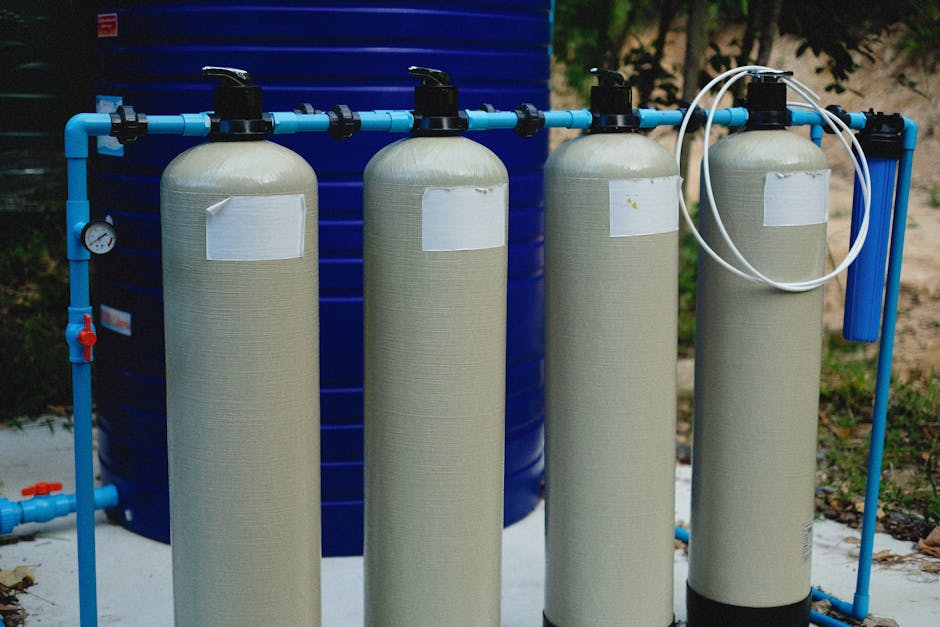
- Filtration System: Filters to remove debris and contaminants from the rainwater.
Effective DIY Rain Harvesting Techniques
1. Simple Barrel Systems
A straightforward and cost-effective way to start rain harvesting is to set up a rain barrel system. You can find food-grade barrels at local stores or online for a reasonable price. Here’s how to create your own:
- Find a suitable barrel (50-100 gallons is ideal).
- Position the barrel under a downspout to catch water directly from your roof.
- Ensure the barrel has a lid to keep debris out and prevent mosquito breeding.
- Add a spigot near the bottom for easy access to the water.
2. Gutter Modifications
Properly installed gutters are crucial for rainwater collection. If your gutters are clogged, they won’t be able to direct water effectively. Here are some budget-friendly modifications:
- Regularly clean your gutters to remove leaves and debris.
- Install gutter guards to prevent blockages and reduce maintenance.
- Use inexpensive PVC piping to direct water from the downspout to your storage barrel.
3. DIY Filtration Systems
Filtering rainwater ensures that the water you collect is clean and suitable for use in your garden or household tasks. You can easily create a DIY filtration system using affordable materials:
- Use a mesh screen or fine cloth to filter out larger debris.
- Install a sand or gravel filter in the barrel to further purify the water.
- Consider adding activated charcoal for enhanced filtration, which can be sourced cheaply.
4. Using Multiple Barrels
To maximize your rainwater collection, consider linking multiple barrels together. This method is effective if you have a larger roof area or expect a significant amount of rainfall:
- Connect several barrels using PVC pipes.
- Ensure that all barrels are at the same height for efficient water flow.
- Use a first-flush diverter to keep the initial dirty water away from the barrels.
5. Utilize a Rain Chain
Rain chains are an aesthetically pleasing alternative to traditional downspouts. They guide rainwater from the roof to the ground or into a collection barrel:
- Purchase or create a rain chain using inexpensive materials like copper or aluminum.
- Install it in place of your downspout to slow down the flow of water and allow it to collect in containers below.
- Position a decorative basin or barrel at the bottom to catch the water.
6. Planting a Rain Garden
A rain garden is a landscaped area designed to collect rainwater runoff from impervious surfaces. This method not only saves water but also enhances your garden:
- Choose a low-lying area in your yard to create the garden.
- Use native plants that thrive in wet conditions to absorb the rainwater.
- This technique helps recharge groundwater and reduces runoff.
Conclusion
Implementing DIY rain harvesting techniques is not only an effective way to conserve water but also a cost-saving solution for households. By using affordable materials and simple methods, you can create a functional system that benefits both your garden and your wallet. For detailed plans and additional resources, consider checking out Ted Water System.
FAQ
1. Can I drink rainwater collected in a DIY system?
While rainwater can be collected for drinking, it requires proper filtration and treatment to ensure safety. It is best to use collected rainwater for irrigation or non-potable uses unless you have a certified filtration system.
2. How much rainwater can I collect?
The amount of rainwater you can collect depends on your roof size and the amount of rainfall in your area. On average, one inch of rain on a 1,000 square foot roof can yield about 600 gallons of water.
3. Are there regulations on rainwater harvesting?
Regulations vary by state and local jurisdiction. Be sure to check your local laws and guidelines regarding rainwater harvesting systems to ensure compliance.
📚 Related Articles
🔨 Want 16,000+ Water System Plans?
Get instant access to step-by-step plans with blueprints and cut lists.
Get Instant Access →