Introduction
As water scarcity continues to be a pressing global issue, innovative solutions are emerging to help homeowners conserve this precious resource. One such innovation is the Smart Water Box, a device designed to optimize water usage and improve the efficiency of greywater systems. This article delves into the future of smart water conservation, focusing on budget-friendly options and practical tips for building your own water-saving systems.
Understanding Greywater Systems
Greywater systems recycle water from baths, sinks, and laundry to use for irrigation and other non-potable applications. These systems not only help conserve water but also reduce the burden on municipal sewage systems. Here’s a closer look at how greywater can be harnessed:
- Source Separation: Collecting greywater separately from blackwater ensures that it can be filtered and reused effectively.
- Filtration: Simple filtration systems can remove debris and contaminants from greywater, making it suitable for irrigation.
- Storage: Adequate storage tanks are essential for holding treated greywater until it is needed.
- Distribution: A well-planned distribution system can efficiently deliver recycled water to gardens and landscaping.
The Role of Smart Water Technologies
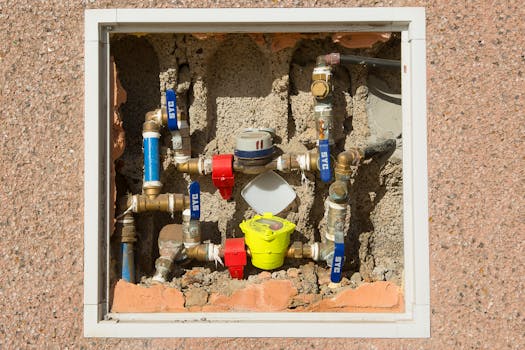
Innovative technologies like the Smart Water Box are changing how we think about water conservation. These gadgets can monitor water usage patterns, detect leaks, and optimize water distribution. Here are some key benefits of integrating smart technologies into greywater systems:
- Real-time Monitoring: Homeowners can track their water usage in real-time, making it easier to identify areas where savings can be made.
- Automated Systems: Smart technologies can automate the distribution of greywater, ensuring that plants receive the right amount of water without over-irrigation.
- Leak Detection: Devices can alert homeowners to leaks, preventing costly water waste and damage.
- Data Insights: By analyzing water usage data, homeowners can make informed decisions about their consumption habits.
Building a Budget-Friendly Greywater System
Creating an efficient greywater system doesn't have to break the bank. Here are some cost-saving tips and affordable materials to consider:
1. Use Recycled Materials
When building your greywater system, consider using recycled or reclaimed materials. Old bathtubs, barrels, and hoses can be repurposed for water collection and storage, significantly reducing costs.
2. DIY Filtration Systems
Instead of purchasing expensive filtration systems, you can create your own using simple materials. A DIY filtration system can be made using:
- Sand
- Gravel
- Filter cloth
- Activated carbon
These materials are often inexpensive and readily available at local hardware stores.
3. Simple Irrigation Solutions
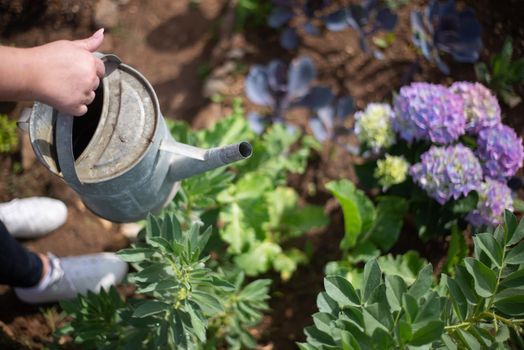
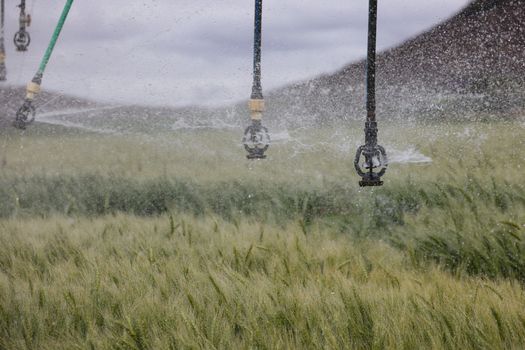
For distributing greywater, consider using drip irrigation systems, which are more efficient than traditional sprinklers. You can easily create a drip system using:
- Perforated hoses
- Plastic tubing
- Old garden hoses
These materials can be found at a low cost and will help ensure that your plants receive the right amount of water.
4. Utilize Smart Water Box
Integrating the Smart Water Box into your greywater system can enhance its effectiveness. While the initial investment may seem substantial, the long-term savings in water bills and reduced waste make it a wise choice. Look for promotions or second-hand options to keep costs down.
5. Monitor Your Savings
Keep track of your water savings with the data provided by your smart devices. This can help you understand the return on investment of your greywater system and motivate you to continue improving your water-saving efforts.
Future Innovations in Water Conservation
The future of water conservation is bright, with continuous advancements in technology and sustainability practices. As more homeowners look for ways to reduce their water footprint, we can expect:
- Increased Accessibility: As smart water technologies become more affordable, homeowners will have greater access to tools that facilitate water conservation.
- Robust Data Analysis: Enhanced data collection and analysis will help homeowners make informed decisions about their water usage.
- Integration with Home Automation: Smart water systems will increasingly integrate with home automation platforms, allowing for seamless control and monitoring.
- Community Initiatives: Local governments and organizations will likely promote greywater systems and smart water technologies, providing resources and incentives for homeowners.
Conclusion
As we look toward the future, the importance of smart water conservation cannot be overstated. Innovations like the Smart Water Box, combined with budget-friendly greywater systems, offer practical solutions for homeowners seeking to conserve water. By utilizing affordable materials and DIY strategies, you can build an effective system that not only saves money but also contributes to a more sustainable future.
FAQ
1. What is greywater, and how can it be reused?
Greywater is wastewater generated from household activities such as laundry, bathing, and dishwashing. It can be reused for irrigation, flushing toilets, and other non-potable purposes after appropriate treatment.
2. Is installing a greywater system expensive?
The cost of a greywater system can vary greatly depending on the complexity and materials used. However, budget-friendly options and DIY solutions can significantly reduce costs.
3. Can I install a smart water conservation system myself?
Yes, many smart water conservation systems can be installed by homeowners with basic DIY skills. However, consulting a professional is recommended for more complex installations.
📚 Related Articles
🔨 Want 16,000+ Water System Plans?
Get instant access to step-by-step plans with blueprints and cut lists.
Get Instant Access →