Introduction
Water conservation is becoming increasingly crucial as we face growing environmental challenges. Setting up a smart water conservation system can help you save water and reduce your utility bills. In this article, we will guide you through the process of creating an affordable and efficient irrigation DIY system, using budget-friendly materials and techniques.
Understanding the Basics of Water Conservation
Before diving into the setup, it’s important to understand the basic principles of water conservation:
- Efficient Water Use: Using water efficiently ensures that you are not wasting this precious resource.
- Smart Scheduling: Watering plants at the right times can significantly reduce water waste.
- Soil Awareness: Understanding your soil type can help you determine how much water is needed.
Materials You Will Need
To set up your smart water conservation system on a budget, here are some affordable materials you will need:
- Rain Barrels: Collect rainwater for irrigation. You can often find used barrels for free or at a low cost.
- Drip Irrigation Kit: These kits are relatively inexpensive and can help you deliver water directly to your plants’ roots.
- Soil Moisture Sensors: These sensors can be found at garden centers or online at reasonable prices, and they help you monitor soil moisture levels.
- Timer: A simple mechanical timer can control watering schedules without breaking the bank.
- Mulch: Using organic mulch can help retain soil moisture, reducing the need for frequent watering.
Step-by-Step Guide to Setting Up Your System
Follow these steps to create your smart water conservation system:
1. Collect Rainwater
Start by setting up a rain barrel to collect rainwater. Here’s how:
- Choose a location near your downspout.
- Ensure the barrel has a lid to prevent mosquito breeding.
- Add a screen to filter out debris.
- Connect a hose to the barrel for easy access to water when needed.
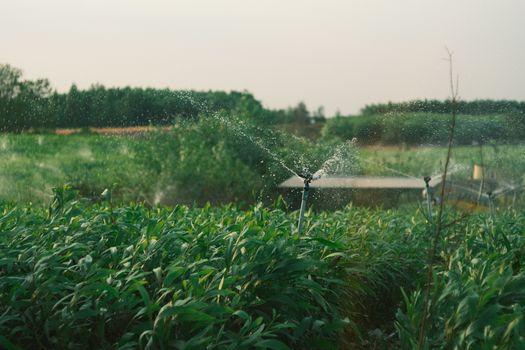
2. Install Drip Irrigation
Next, set up a drip irrigation system:
- Lay out your drip tubing around your plants.
- Attach emitters to deliver water directly to the roots.
- Connect the system to your rain barrel or a water source.
3. Use Soil Moisture Sensors
Install soil moisture sensors to monitor the moisture level:
- Place the sensors in different areas of your garden.
- Check the readings regularly to determine when to water.
4. Set Up a Timer
To automate your watering schedule:
- Connect your drip irrigation system to a timer.
- Set the timer based on the moisture readings from your sensors.
5. Apply Mulch
Finish by adding mulch around your plants:
- Spread a layer of organic mulch to help retain moisture.
- This will also reduce weed growth and improve soil health.
Cost-Saving Tips
Implementing a smart water conservation system does not need to be expensive. Here are some cost-saving tips:
- Buy Used Materials: Look for second-hand materials such as rain barrels and irrigation kits.
- DIY Components: Create your own drip irrigation system using affordable tubing and emitters from local hardware stores.
- Monitor Water Usage: Keep track of your water bills to see your savings over time.
- Plan Efficiently: Group plants with similar watering needs together to optimize your irrigation.
- Use Technology: Consider utilizing apps that help in managing watering schedules effectively.
Additional Resources
For more detailed plans and insights, consider checking out Ted Water System. They offer a variety of resources that can help you design an efficient water conservation system tailored to your needs.
Conclusion
By following these steps and utilizing affordable materials, you can set up a smart water conservation system that not only helps the environment but also saves you money. With a little creativity and planning, you can create an efficient irrigation system that meets your gardening needs.
FAQ
1. How much can I save on my water bill with a smart irrigation system?
The savings can vary, but many users report a reduction of 20-50% in their water bills after implementing a smart irrigation system.
2. Can I use a rain barrel for drinking water?
It is not recommended to use rainwater collected in barrels for drinking unless it has gone through proper filtration and treatment.
3. How often should I check my soil moisture?
It is advisable to check your soil moisture at least once a week, especially during the growing season.
📚 Related Articles
🔨 Want 16,000+ Water System Plans?
Get instant access to step-by-step plans with blueprints and cut lists.
Get Instant Access →