Introduction
\nAs water conservation becomes increasingly important, many homeowners are considering smart water technology for their landscape irrigation needs. If you're wondering whether to make the switch to smart water tech, this guide will help you understand its benefits, how it works, and how to get started.
\n\nWhat is Smart Water Technology?
\nSmart water technology refers to advanced systems and devices that use data and automation to optimize water usage for irrigation. These systems can adjust watering schedules based on weather conditions, soil moisture levels, and plant needs, helping you conserve water while keeping your landscape healthy.
\n\nBenefits of Smart Water Technology
\n- \n
- Water Conservation: Smart systems are designed to minimize water waste, which is beneficial for both the environment and your water bill. \n
- Time-Saving: Automation means you spend less time managing your irrigation system, allowing you to focus on other garden tasks. \n
- Healthier Plants: By providing the right amount of water at the right time, smart systems promote healthier plant growth. \n
- Remote Control: Many smart irrigation systems can be controlled via smartphone apps, providing convenience and flexibility. \n
- Data Insights: Smart systems often come with analytics that help you understand your water usage and optimize it further. \n
How to Make the Switch
\nMaking the switch to smart water tech may seem daunting, but it can be quite simple. Follow this step-by-step guide to help you transition smoothly.
\n\nStep 1: Assess Your Current Irrigation System
\nBefore making any changes, take a close look at your existing irrigation system. Consider the following:
\n- \n
- What type of system do you currently have? (sprinklers, drip, etc.) \n
- How much time do you spend managing it? \n
- Are there any specific issues you face, such as over-watering or dry spots? \n
Step 2: Research Smart Irrigation Options
\nThere are various smart irrigation systems available on the market, each with unique features. Here are a few options to consider:
\n- \n
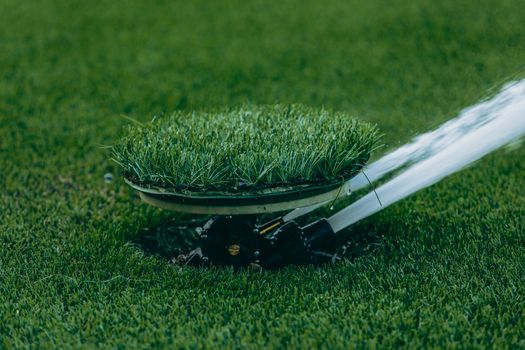
- Smart Sprinkler Controllers: These devices replace traditional timers and adjust watering schedules based on real-time weather data. \n
- Soil Moisture Sensors: These sensors measure the moisture in the soil and communicate with your irrigation system to prevent over-watering. \n
- Weather-Based Controllers: These controllers use weather forecasts to adjust watering schedules, ensuring your plants get the right amount of water. \n
Step 3: Choose the Right System for Your Needs
\nOnce you've researched your options, consider your specific needs:
\n- \n
- What is your budget? \n
- Do you want a system that integrates with other smart home devices? \n
- How large is your landscape, and what types of plants do you have? \n
For additional planning and resource options, Ted Water System offers excellent guidance on selecting and installing smart irrigation technologies.
\n\nStep 4: Installation
\nInstalling a smart irrigation system can often be done as a DIY project, but you may also want to consider hiring a professional if you're unsure. Here’s a basic outline of what to expect:
\n- \n
- Gather necessary tools: screwdrivers, wrenches, pliers, and possibly a drill. \n
- Follow the manufacturer’s installation instructions carefully. \n
- Connect the smart controller to your existing irrigation system. \n
- Install any additional sensors or devices according to the guidelines. \n
- Test the system to ensure everything is working correctly. \n
Step 5: Monitor and Adjust
\nAfter installation, take some time to monitor how your new system performs:
\n- \n
- Check for any areas that may need more or less water. \n
- Adjust settings on the app or controller as needed. \n
- Regularly review data insights to optimize your watering schedule. \n
Conclusion
\nSwitching to smart water technology for landscape irrigation can bring numerous benefits, from water conservation to healthier plants. By following this simple guide, you can assess your current system, research options, and make an informed decision on the best smart irrigation solution for your needs. With tools and resources like Ted Water System, you'll be well on your way to a more efficient and effective irrigation system.
\n\nFAQ
\n- \n
- What is the average cost of a smart irrigation system?
The cost can vary widely, depending on the type of system and features but typically ranges from $100 to $500 for basic setups. \n - Can I install a smart irrigation system myself?
Yes, many systems are designed for DIY installation, but it's essential to follow the manufacturer's instructions carefully. \n - Do smart irrigation systems save money on my water bill?
Yes, by optimizing water usage, smart irrigation systems can significantly reduce water waste, leading to lower water bills. \n
📚 Related Articles
🔨 Want 16,000+ Water System Plans?
Get instant access to step-by-step plans with blueprints and cut lists.
Get Instant Access →