Introduction
Water conservation is not just an environmental responsibility; it's also a practical way to save money on your utility bills. With a few simple adjustments in your daily habits and by using the right tools, you can significantly reduce your water usage. In this article, we will explore the top five water-saving tips for every household, along with the tools that can help you implement these strategies effectively.
1. Install Low-Flow Fixtures
One of the easiest ways to cut down on water consumption is by installing low-flow fixtures in your home. These fixtures include showerheads, faucets, and toilets designed to use less water without sacrificing performance.
Recommended Tools:
- Low-Flow Showerhead: These showerheads can reduce water flow by 30-50% compared to standard models. They often come with adjustable settings for a customizable experience.
- Low-Flow Faucet Aerators: These simple devices screw onto your existing faucets and can reduce water flow while maintaining pressure.
- High-Efficiency Toilet (HET): HETs use 1.28 gallons per flush or less, compared to the standard 1.6 gallons.
Pros and Cons:
- Pros: Significant water savings, easy installation, affordable options available.
- Cons: Some users may miss the feeling of higher water pressure, and certain models may have a higher upfront cost.
2. Use Smart Irrigation Systems
If you have a garden or lawn, smart irrigation systems can help you water your plants more efficiently. These systems use weather data and soil moisture sensors to determine when and how much to water.
Recommended Tools:
- Smart Sprinkler Controllers: These controllers can be programmed to adjust watering schedules based on local weather forecasts.
- Soil Moisture Sensors: These devices can be placed in your garden to measure the moisture level in the soil, ensuring you only water when necessary.
Pros and Cons:
- Pros: Saves water and money, reduces the risk of overwatering and plant damage, automated features for convenience.
- Cons: Higher initial investment compared to traditional irrigation systems, requires internet access for full functionality.
3. Fix Leaks Promptly
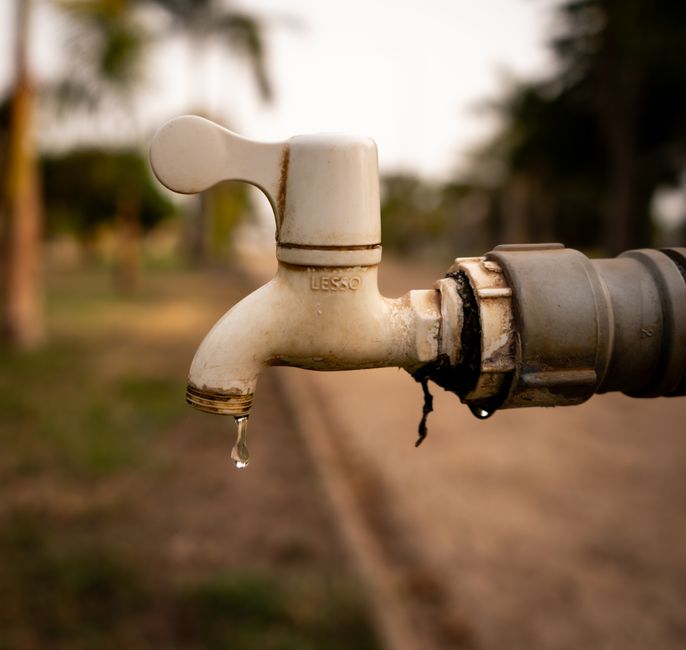
Leaky faucets, toilets, and pipes can waste a significant amount of water over time. Fixing these leaks is crucial for conservation efforts.
Recommended Tools:
- Leak Detection Sensors: These devices can alert you to leaks before they become a major problem.
- Pipe Wrench and Plumber's Tape: Essential tools for DIY repairs to fix leaks in pipes and faucets.
Pros and Cons:
- Pros: Immediate water savings, prevents damage to your home, easy DIY repairs with the right tools.
- Cons: Some leaks may require professional help, and not all leaks are easily detectable without sensors.
4. Collect Rainwater
Collecting rainwater is a sustainable way to water your garden or landscape. It reduces the demand on your municipal water supply and can save you money on your water bill.
Recommended Tools:
- Rain Barrels: These barrels store rainwater collected from your roof's downspouts.
- Rainwater Diverters: These devices help direct rainwater into your barrels instead of letting it flow away.
Pros and Cons:
- Pros: Reduces water costs, environmentally friendly, useful for gardening.
- Cons: Requires initial setup and maintenance, and rainwater may not be suitable for all uses without treatment.
5. Educate Your Family
Lastly, educating your family about water conservation can lead to collective efforts in reducing water waste. Simple changes in behavior can make a big difference.
Recommended Tools:
- Water Usage Monitoring Apps: These apps can help track your water usage and provide tips for savings.
- Household Water Conservation Guides: Materials that explain the importance of water conservation and practical tips.
Pros and Cons:
- Pros: Fosters a culture of sustainability, empowers family members to take action.
- Cons: Requires ongoing commitment and reminders, may take time to see results.
Conclusion
Implementing these water-saving tips can lead to significant savings on your water bills while also contributing to environmental conservation. Whether it's installing low-flow fixtures or collecting rainwater, the right tools can make these changes easier and more efficient. For further plans and resources on water-saving strategies, consider exploring Ted Water System to find comprehensive guides and tools tailored to your needs.
FAQ
1. How much water can I save by installing low-flow fixtures?
On average, low-flow fixtures can save a household up to 30% of their water usage, depending on the number of fixtures replaced.
2. Are rain barrels effective for saving water?
Yes, rain barrels can collect significant amounts of water during rainy seasons, which can then be used for irrigation and other non-potable uses.
3. What are the most common sources of leaks in a household?
Common sources of leaks include faucets, toilets, and old or damaged pipes. Regular inspections can help identify and fix these issues promptly.
📚 Related Articles
🔨 Want 16,000+ Water System Plans?
Get instant access to step-by-step plans with blueprints and cut lists.
Get Instant Access →