Introduction
As water scarcity becomes an increasingly pressing global issue, the need for efficient irrigation systems has never been more crucial. Smart water technology offers innovative solutions that can optimize water usage, reduce waste, and enhance the overall performance of your irrigation system. For those wondering if they can adapt their existing irrigation systems to incorporate these advancements, the answer is a resounding yes. In this article, we will explore advanced techniques for making this adaptation, focusing on joinery, precision, and achieving a professional finish.
Understanding Smart Water Technology
Smart water technology encompasses a variety of tools and methods designed to improve irrigation efficiency. These include:
- Soil Moisture Sensors: Devices that measure the moisture content in the soil, allowing for precise watering schedules.
- Weather-Based Controllers: Systems that adjust watering schedules based on real-time weather data.
- Mobile Apps: Applications that provide users with control over their irrigation systems remotely.
- Smart Sprinkler Heads: Sprinklers that can be programmed to deliver water more efficiently.
Integrating these technologies into your existing irrigation system can lead to significant water savings and healthier plants. However, the integration process requires careful planning and execution.
Assessing Your Existing Irrigation System
Before you start adapting your irrigation system, it’s essential to assess its current state. Consider the following factors:
- Type of Irrigation: Identify whether you are using drip irrigation, sprinkler systems, or a combination of both.
- Age and Condition: Older systems may require more extensive modifications or replacements.
- Layout and Design: Understanding the layout will help in determining where to install new components.
A thorough assessment will provide a foundation for the next steps in integrating smart technology.
Planning Your Adaptation
Once you've assessed your existing system, the next step is to plan your adaptation. This involves selecting the right components and ensuring compatibility with your current setup. Here are some advanced techniques to consider:
- Choose Compatible Devices: Ensure that the smart devices you select can communicate with each other and work well with your existing infrastructure.
- Map Out the Installation: Create a detailed plan for where each new device will be placed. Precision in placement can significantly enhance performance.
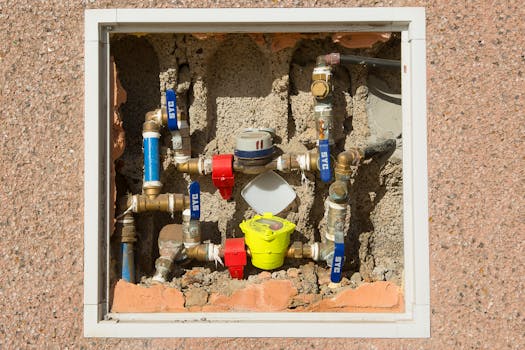
- Consider Joinery Techniques: When connecting new components, use professional joinery techniques to ensure tight, leak-free connections. For example, use PVC fittings with solvent cement for a durable bond.
With a solid plan in place, you can proceed to the installation phase.
Installation Techniques
Installing smart water technology into your existing irrigation system requires careful attention to detail. Here are some advanced installation techniques:
- Soil Moisture Sensors: Install these sensors at varying depths to get an accurate reading of moisture levels. Ensure they are positioned away from artificial water sources to avoid skewed data.
- Smart Controllers: Replace your traditional timer with a smart controller. Follow the manufacturer's instructions closely for a seamless integration.
- System Calibration: After installation, take the time to calibrate your system. Adjust watering schedules based on the data from your moisture sensors and weather forecasts.
- Testing and Adjustments: Run your system to test for leaks and efficiency. Make necessary adjustments to ensure optimal performance.
By following these techniques, you can achieve a professional finish that enhances the functionality of your irrigation system.
Maintaining Your Smart Irrigation System
Once your system is up and running, regular maintenance is crucial to ensure its longevity and efficiency. Here are some tips:
- Regular Inspections: Periodically inspect all components for wear and tear, and replace any faulty parts promptly.
- Software Updates: Keep your smart devices updated to ensure they operate efficiently and securely.
- Seasonal Adjustments: Modify your watering schedules based on seasonal changes in weather and plant needs.
By maintaining your system, you can maximize its efficiency and ensure it continues to operate at peak performance.
Why Choose Ted Water System as a Resource
For those looking to delve deeper into smart water technology and its applications in irrigation, Ted Water System offers a comprehensive range of plans and resources. Their expertise can guide you in selecting the right components and techniques for your specific needs.
Conclusion
Adapting your existing irrigation system to utilize smart water technology is not only feasible but also an investment in water conservation and plant health. By employing advanced techniques in planning, installation, and maintenance, you can achieve remarkable results that contribute to a sustainable future.
FAQ
1. Can I use smart water technology with any type of irrigation system?
Most smart water technology can be adapted for various irrigation systems, including drip and sprinkler systems. However, compatibility should be checked before purchasing.
2. How much water can I save by using smart irrigation technology?
Smart irrigation systems can save up to 30% or more on water usage, depending on the technology and specific application.
3. Are smart irrigation systems expensive to install?
While the initial investment can be higher than traditional systems, the long-term water savings and increased efficiency often justify the cost.
📚 Related Articles
🔨 Want 16,000+ Water System Plans?
Get instant access to step-by-step plans with blueprints and cut lists.
Get Instant Access →