What Are the Benefits of a Smart Water Conservation System?
In an era where sustainability is paramount, the need for effective water conservation has never been greater. Smart water conservation systems are designed to optimize water usage, ensuring that every drop counts. In this article, we will explore the benefits of implementing such systems, discuss the necessary tools for building an efficient setup, and review specific solutions that can transform your water usage.
Understanding Smart Water Conservation Systems
Smart water conservation systems utilize technology to monitor, control, and optimize water usage in homes and businesses. These systems work by integrating various tools and devices, often connected to a smartphone or computer, allowing users to track their water consumption in real-time.
Benefits of Smart Water Conservation Systems
- Efficiency in Water Usage: Smart systems can detect leaks and monitor water flow, ensuring that water is used efficiently and reducing waste.
- Cost Savings: By conserving water, users can see a significant reduction in their water bills. Many smart systems also provide insights into how to further reduce consumption.
- User-Friendly Management: Many smart systems come with user-friendly apps that allow homeowners to manage their water usage from anywhere, making it easy to stay informed.
- Environmental Impact: Conserving water helps reduce the strain on local water supplies and can contribute to a healthier environment.
- Automation: Automated systems can schedule irrigation or other water uses based on weather forecasts, ensuring that water is used optimally.
Essential Tools for Building a Smart Water Conservation System
To create an effective smart water conservation system, several tools and devices can be integrated. Here’s a review of some essential components along with their pros and cons.
1. Smart Irrigation Controllers
These devices automate the watering of gardens and lawns based on real-time weather data.
- Pros:
- Reduces water waste by adjusting schedules based on weather conditions.
- Can be controlled remotely through a smartphone app.
- Promotes healthier plants by providing optimal watering.
- Cons:
- Initial investment can be high compared to traditional systems.
- May require a learning curve to set up and program.
2. Leak Detection Sensors
These sensors are placed in areas where leaks are likely to occur and alert homeowners when a leak is detected.
- Pros:
- Helps prevent significant water damage and high repair costs.
- Can save a substantial amount of water if leaks are caught early.
- Cons:
- Some models may require professional installation.
- False alarms can occur if not properly calibrated.
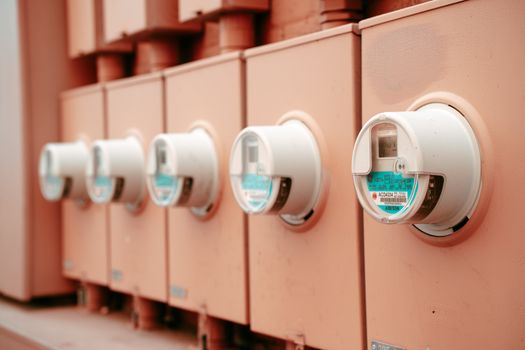
3. Smart Water Meters
Smart water meters track water usage in real-time and provide detailed reports to the user.
- Pros:
- Provides insights into daily water usage patterns.
- Can help identify unusual spikes in usage, indicating potential leaks.
- Cons:
- May require professional installation.
- Some units can be pricey, depending on features.
4. Smart Shower Heads and Faucets
These fixtures can reduce water flow while maintaining pressure, which helps save water during daily routines.
- Pros:
- Easy to install and can be retrofitted to existing plumbing.
- Improves water efficiency without compromising user experience.
- Cons:
- Some models may not fit all types of plumbing.
- Quality can vary significantly among brands.
Implementing a Smart Water Conservation System
When considering the implementation of a smart water conservation system, it's essential to evaluate your specific needs and the layout of your property. Using a comprehensive resource like Ted Water System can guide you through planning and selecting the right tools that fit your water conservation goals.
Conclusion
Investing in a smart water conservation system not only helps save money but also plays a vital role in environmental conservation. By integrating the right tools and technologies, homeowners can drastically reduce their water consumption while enjoying the convenience of modern technology. Whether you are looking to retrofit your existing systems or start from scratch, there are plenty of options available to suit your needs.
FAQ
- What is the average cost of a smart water conservation system? The cost varies widely depending on the components selected, but basic systems can start from a few hundred dollars to several thousand for a comprehensive setup.
- Can I install a smart irrigation system myself? Many smart irrigation systems are designed for easy DIY installation, though some may require professional help depending on the complexity.
- Do smart water meters require a subscription? Most smart water meters do not require a subscription, but some may offer additional features for a fee; be sure to check the specifications before purchasing.
📚 Related Articles
🔨 Want 16,000+ Water System Plans?
Get instant access to step-by-step plans with blueprints and cut lists.
Get Instant Access →