Introduction
\nAs water scarcity becomes an increasingly pressing issue in many parts of the world, especially in drought-prone areas, finding ways to conserve water is more critical than ever. This blog post will provide you with the best tips for implementing water-saving systems while keeping costs low. By focusing on budget-friendly solutions and affordable materials, you can create sustainable water systems that will benefit both your home and the environment.
\n\nUnderstanding Water-Saving Systems
\nWater-saving systems are designed to reduce the amount of water used in everyday activities, such as irrigation, household chores, and personal hygiene. These systems can include rainwater harvesting, gray water recycling, and efficient irrigation techniques. By implementing these systems, you can significantly decrease your water consumption while maintaining a comfortable and functional living space.
\n\n1. Rainwater Harvesting
\nOne of the most effective ways to conserve water is through rainwater harvesting. This method involves collecting and storing rainwater from your roof to use for irrigation or non-potable purposes. Here are some budget-friendly tips for setting up a rainwater harvesting system:
\n- \n
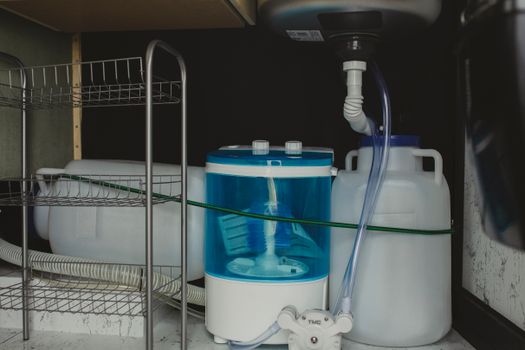
- Use Affordable Materials: Consider using plastic barrels or repurposed containers for your rainwater collection system. These can often be found at low costs or even for free. \n
- Simple Gutter System: Ensure your gutters are clean and functional to direct rainwater into your barrels. You can use inexpensive materials like PVC pipes to create a diversion system. \n
- DIY Filtration: To make the water safe for irrigation, incorporate a simple filtration system using gravel, sand, and mesh screens that you can purchase at a low cost. \n
2. Gray Water Recycling
\nGray water is the relatively clean wastewater generated from sinks, showers, and washing machines. Recycling gray water can save you a significant amount of water. Here are some tips to do it on a budget:
\n- \n
- Simple Collection System: Use a bucket to collect water from your shower or sink while waiting for it to warm up. This water can be used for watering plants. \n
- Install a Diverter: For a more permanent solution, consider installing a diverter system to redirect gray water from your washing machine to your garden. Materials such as hoses and connectors can be bought affordably. \n
- Use Plant-Friendly Detergents: If you are using gray water for irrigation, ensure that the soaps and detergents used are biodegradable and safe for plants. \n
3. Efficient Irrigation Techniques
\nInefficient watering practices can lead to significant water waste. Here are some cost-effective irrigation techniques to conserve water:
\n- \n
- Drip Irrigation: This method delivers water directly to the roots of your plants, minimizing evaporation and runoff. You can create a DIY drip irrigation system using affordable tubing and emitters. \n
- Mulching: Applying a layer of mulch around your plants can help retain moisture in the soil, reducing the need for frequent watering. Organic materials like straw or wood chips can be easily sourced at low costs. \n
- Time Your Watering: Water your garden early in the morning or late in the evening to minimize evaporation. This simple technique can significantly reduce your water usage. \n
4. Native Plants and Xeriscaping
\nChoosing the right plants for your garden can drastically reduce your water needs. Here are ways to create a water-efficient landscape:
\n- \n
- Plant Native Species: Native plants are adapted to the local climate and require less water once established. Look for local nurseries that offer affordable native plants. \n
- Xeriscaping: This landscaping method focuses on reducing or eliminating the need for irrigation. Incorporate rocks, mulch, and drought-resistant plants to create a beautiful and sustainable garden. \n
- Group Plants by Water Needs: Arrange your plants according to their water requirements. This will allow you to water efficiently and reduce waste. \n
Planning Resources: Ted Water System
\nFor those looking to explore further into water-saving systems, the Ted Water System offers comprehensive plans and guides. These resources can help you design and implement efficient water systems tailored to your specific needs and budget.
\n\nConclusion
\nImplementing water-saving systems in drought-prone areas doesn't have to be expensive. With a little creativity and resourcefulness, you can create effective, budget-friendly solutions that conserve water and help protect the environment. By adopting practices like rainwater harvesting, gray water recycling, and efficient irrigation techniques, you can significantly reduce your water usage while maintaining a beautiful and functional home.
\n\nFAQ
\n- \n
- What is the best way to collect rainwater?
Using affordable barrels or repurposed containers is the easiest way to collect rainwater. Ensure your gutters are clean to direct water into these containers. \n - Can I use gray water for all types of plants?
Gray water can be used for most plants, but it is essential to use biodegradable soaps and detergents to ensure plant safety. \n - What plants are best for xeriscaping?
Look for native and drought-resistant plants such as succulents, lavender, and ornamental grasses. These plants thrive in dry conditions and require less water. \n
📚 Related Articles
🔨 Want 16,000+ Water System Plans?
Get instant access to step-by-step plans with blueprints and cut lists.
Get Instant Access →