Introduction
In an era where water conservation is more critical than ever, gardeners are turning to smart technology to help them manage their watering practices efficiently. While these tools can significantly reduce water waste, there are common mistakes that many gardeners make when implementing smart technologies. This article will explore the best water-saving tips for gardeners using smart technology, focusing on troubleshooting tips and fixes to avoid common pitfalls.
Understanding Smart Technology in Gardening
Smart technology encompasses a range of devices that help automate and optimize garden watering. These can include:
- Smart Irrigation Controllers: These devices adjust watering schedules based on weather conditions and soil moisture levels.
- Soil Moisture Sensors: Sensors that monitor the moisture content in the soil, providing data to inform watering needs.
- Weather Stations: Local weather data can help your garden avoid unnecessary watering on rainy days.
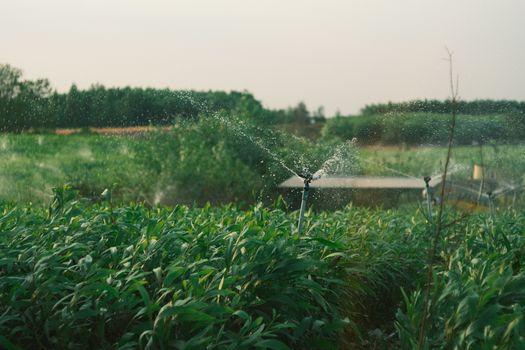
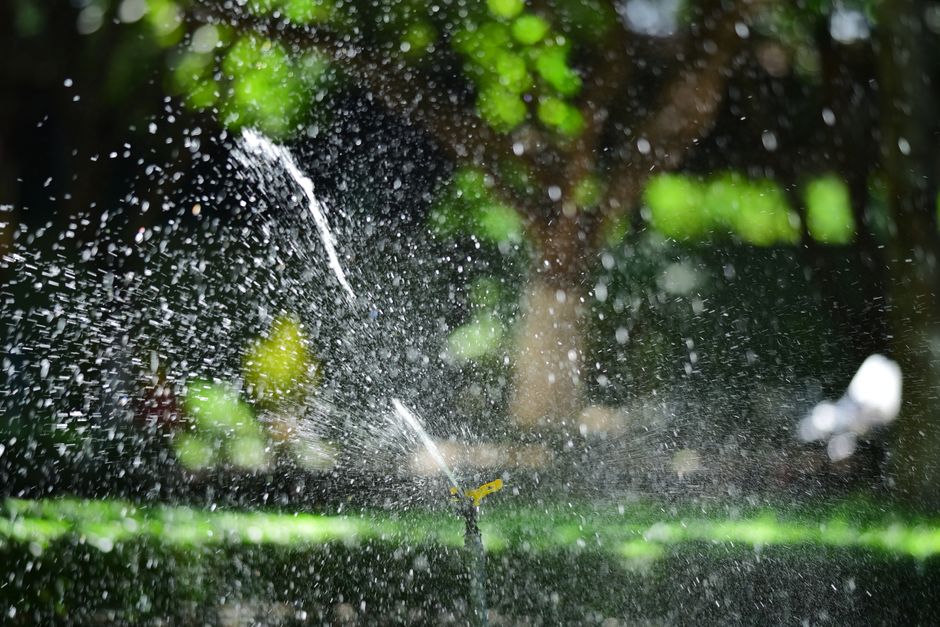
- Wi-Fi Enabled Sprinklers: These can be controlled remotely via a smartphone app for convenience and efficiency.
Common Mistakes to Avoid When Using Smart Watering Technology
While smart technology can work wonders for water conservation, there are several common mistakes that can lead to ineffective watering practices. Here are some pitfalls to avoid:
1. Not Calibrating Your Smart Irrigation Controller
One of the most significant mistakes is failing to calibrate your smart irrigation controller properly. Many gardeners assume the default settings are sufficient, but these settings can often lead to overwatering.
Fix: Take the time to calibrate your controller based on your garden's specific needs. Use the following steps:
- Measure the water output of your sprinkler heads.
- Adjust the irrigation schedule according to the plant types and their specific watering requirements.
- Regularly check for updates to the controller software that may enhance its efficiency.
2. Ignoring Soil Moisture Levels
Relying solely on weather data without considering soil moisture levels can lead to watering either too much or too little. Some gardeners neglect to install soil moisture sensors, resulting in inefficient watering practices.
Fix: Install soil moisture sensors to gather data on when to water. Follow these tips:
- Place sensors at different depths to understand moisture levels better.
- Use the data to adjust your watering schedule dynamically.
- Consider using a combination of sensors and smart controllers for optimum results.
3. Overlooking Local Weather Conditions
Many gardeners fail to account for localized weather conditions when planning their watering schedules. Just because the forecast predicts rain doesn’t mean it will reach your garden.
Fix: Use a personal weather station or connect your smart irrigation system to a local weather service for accurate data. Here’s how:
- Set your system to adjust watering based on real-time weather updates.
- Use historical data from your area to inform seasonal watering needs.
- Monitor any discrepancies between forecasted and actual rainfall.
4. Failing to Regularly Maintain Smart Devices
Like any other technology, smart watering devices require regular maintenance to function optimally. Neglecting maintenance can lead to malfunctions that result in over or underwatering.
Fix: Implement a routine maintenance schedule for your devices. Include the following tasks:
- Clean sensors and emitters to prevent clogging.
- Check for leaks in hoses and connections.
- Update software and firmware as needed for all devices.
5. Not Using a Water Budget
Failing to establish a water budget is a common oversight among gardeners using smart technology. Without a clear plan, it's easy to overspend on water usage.
Fix: Create a water budget based on your garden's needs and local regulations. To do this:
- Assess your garden's size and the types of plants you have.
- Factor in historical weather patterns and seasonal changes.
- Monitor your water usage and adjust the budget accordingly.
Planning Resources: Ted Water System
If you're looking for comprehensive plans and strategies for optimizing water use in your garden, consider exploring the Ted Water System. It provides valuable insights and resources for gardeners aiming to implement effective water-saving measures.
Conclusion
Smart technology can revolutionize the way we approach garden watering, saving both water and money. However, it is essential to avoid common mistakes and implement best practices to maximize the benefits of these devices. By calibrating your systems, installing sensors, maintaining your equipment, and establishing a water budget, you'll be on your way to a thriving, water-efficient garden.
FAQ
1. How often should I check my soil moisture sensors?
It is advisable to check your soil moisture sensors at least once a month to ensure they are functioning correctly and providing accurate readings.
2. Can I use smart watering technology for container gardens?
Yes, smart watering technology can be very beneficial for container gardens, as they often require more frequent watering than in-ground gardens.
3. What types of plants benefit most from smart irrigation systems?
Plants that are sensitive to overwatering, such as succulents and certain vegetables, benefit significantly from smart irrigation systems that adjust based on moisture levels.
📚 Related Articles
🔨 Want 16,000+ Water System Plans?
Get instant access to step-by-step plans with blueprints and cut lists.
Get Instant Access →