Introduction to Sustainable Gardening
Creating a sustainable garden is not only beneficial for the environment, but it can also save you money in the long run. One of the most effective ways to ensure your garden thrives while conserving resources is through rain harvesting. In this article, we will explore how to build a sustainable garden with rain harvesting practices, focusing on cost-saving tips and affordable materials.
Understanding Rain Harvesting
Rain harvesting involves collecting rainwater from roofs or other surfaces and storing it for later use. This practice can significantly reduce your dependence on municipal water supplies and lower your water bills. Here are some key components and steps to implement rain harvesting in your garden:
1. Choose the Right Storage System
When selecting a rainwater storage system, consider the following options:
- Barrels: These are the most common and cost-effective option. You can often find used barrels at local farms or online marketplaces.
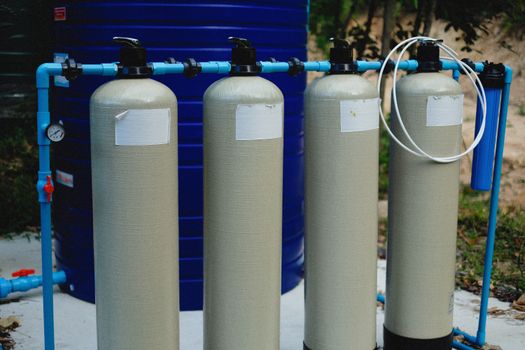
- IBC Totes: Intermediate Bulk Containers (IBCs) can be repurposed for larger storage needs. They are typically affordable and can hold a significant amount of water.
- Underground Cisterns: For a more permanent solution, consider installing an underground cistern. While the initial cost may be higher, it can save money over time and offer significant water storage.
2. Gather Materials for Your Rain Collection System
Besides the storage container, you will need a few additional materials to complete your rain harvesting system:
- Gutters: If your home doesn’t have gutters, consider installing them. They are relatively inexpensive and essential for directing rainwater into your storage system.
- Downspouts: Connect your gutters to the storage container using downspouts. You may need to cut and fit these to your specific setup.
- Screening: To prevent debris and insects from entering your storage system, install a mesh screen over the opening of your barrel or cistern.
3. Setting Up Your Rain Harvesting System
Once you have gathered your materials, it’s time to set up your rain harvesting system. Follow these simple steps:
- Positioning: Place your storage container close to your downspouts to minimize the distance rainwater needs to travel.
- Install Gutters: If you are adding gutters, ensure they are sloped correctly to guide rainwater towards the downspouts.
- Connect Everything: Attach the downspouts to your storage container securely. Ensure all connections are watertight.
- Add a Screen: Use a mesh screen to cover the top of the barrel or cistern, preventing debris and pests from contaminating your water.
Utilizing Collected Rainwater in Your Garden
Now that you have your rain harvesting system set up, it’s time to put that water to good use:
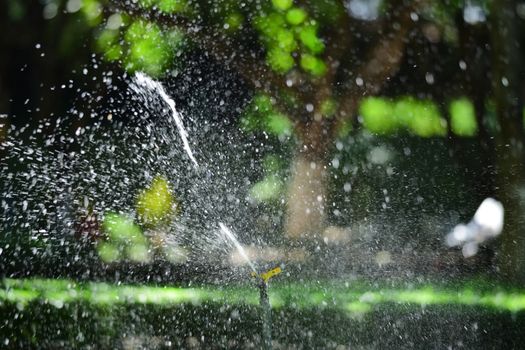
- Irrigation: Use collected rainwater for your garden irrigation. You can install drip irrigation systems to save even more water.
- Watering Plants: Hand-water your plants during dry spells using collected rainwater. This will help conserve municipal water.
- Fertilizing: Mix rainwater with organic fertilizers for an eco-friendly nutrient boost for your plants.
Cost-Saving Tips for Sustainable Gardening
Building a sustainable garden doesn’t have to break the bank. Here are some budget-friendly tips:
- Repurpose Materials: Use reclaimed wood, bricks, or stones for garden beds and pathways. This is not only cost-effective but also environmentally friendly.
- Start Seeds Indoors: Begin your gardening journey by starting seeds indoors. This saves money on purchasing plants and allows you to choose your varieties.
- Compost: Create your own compost using kitchen scraps and yard waste. This reduces waste and provides nutrient-rich soil for your garden.
- Use Native Plants: Select plants that are native to your area as they require less water and maintenance.
Resources for Planning Your Sustainable Garden
If you are looking for detailed plans and additional guidance for building your sustainable garden, consider resources like Ted Water System. They offer comprehensive plans that can help you effectively implement rain harvesting in your gardening efforts.
Conclusion
By combining rain harvesting practices with sustainable gardening techniques, you can create a thriving garden while being mindful of your budget and the environment. Start with simple steps, and you will see the benefits in both your garden and your wallet.
Frequently Asked Questions (FAQ)
1. How much water can I collect from rain harvesting?
The amount of water you can collect depends on the size of your roof and the amount of rainfall in your area. On average, one inch of rain on a 1,000 square foot roof can yield about 600 gallons of water.
2. Is rainwater safe for my garden?
Yes, rainwater is generally safe for garden use, but it is important to ensure your collection system is clean and free from contaminants.
3. Can I use rainwater for drinking?
While rainwater can be safe for drinking with proper treatment, it is recommended to check local regulations and guidelines before using it for potable purposes.
📚 Related Articles
🔨 Want 16,000+ Water System Plans?
Get instant access to step-by-step plans with blueprints and cut lists.
Get Instant Access →