Introduction
Building a sustainable water system is not just a necessity; it is an investment in our future. With growing concerns about water scarcity and environmental degradation, it's essential to implement smart innovations in our water management practices. This beginner-friendly guide will walk you through the steps to build your own sustainable water system using basic tools and materials.
Why Build a Sustainable Water System?
Sustainable water systems help conserve water, reduce costs, and minimize environmental impact. Here are a few reasons why you should consider building one:
- Conservation: Helps in saving precious water resources.
- Cost-effective: Reduces water bills and dependency on municipal water supply.
- Environmental Impact: Supports eco-friendly practices and reduces runoff.
Getting Started
Before diving into the project, gather your materials and tools. Here’s what you will need:
- Rain barrels or storage tanks
- Gutters and downspouts
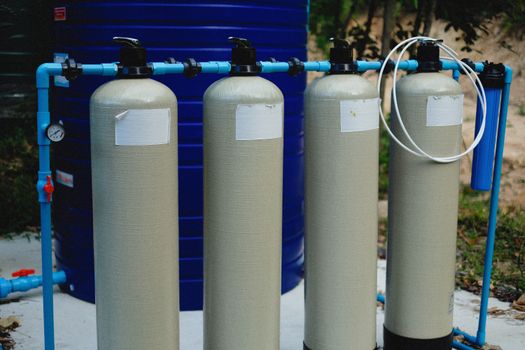
- Filtration system
- Drip irrigation system
- Basic tools (saw, drill, wrench, level, measuring tape)
- Ted Water System plans resource for guidance
Step 1: Plan Your Water System
Start by assessing your property and determining where to collect and store water. Consider the following:
- Identify roof areas that can effectively channel rainwater.
- Choose suitable locations for rain barrels or tanks.
- Evaluate your landscape for optimal irrigation methods.
Step 2: Install Gutters and Downspouts
Proper gutter systems are crucial for collecting rainwater. Follow these steps:
- Measure and cut the gutters to fit your roof edges.
- Attach the gutters using brackets, ensuring they slope towards the downspouts.
- Install downspouts leading to your rain barrels or storage tanks.
Step 3: Set Up Rain Barrels or Storage Tanks
Rain barrels or storage tanks are essential for collecting rainwater. Here’s how to set them up:
- Place the barrels on a level foundation, preferably raised to optimize gravity flow.
- Connect the downspout to the rain barrel using a diverter or cut a hole in the barrel's lid.
- Ensure the barrels are covered to prevent mosquito breeding.
Step 4: Install a Filtration System
To ensure clean water, a filtration system is necessary. Consider these options:
- First flush diverters to discard initial runoff.
- Mesh filters to block debris and leaves.
- Activated carbon filters for additional purification.
Step 5: Implement a Drip Irrigation System
Drip irrigation is the most efficient method to water your plants. Follow these steps:
- Layout the irrigation lines based on your garden design.
- Connect the lines to your rain barrel or storage tank.
- Install emitters at the base of each plant for targeted watering.
Step 6: Monitor and Maintain Your System
Regular monitoring and maintenance are essential for the longevity of your water system:
- Check for leaks and fix them promptly.
- Clean the gutters and filters regularly to ensure optimal flow.
- Inspect the irrigation system for clogs and adjust as needed.
Conclusion
Building a sustainable water system with smart innovations can be a rewarding project. Not only does it contribute to water conservation, but it also enhances your garden's efficiency and productivity. With the guidance from the Ted Water System plans resource and this step-by-step guide, you can create an effective water management solution tailored to your needs. Happy building!
FAQ
- What materials do I need to build a sustainable water system?
You'll need rain barrels, gutters, downspouts, a filtration system, and a drip irrigation setup. - How can I ensure the collected rainwater is safe for use?
Use proper filtration systems and ensure that your rain barrels are covered to prevent contamination. - Is building a sustainable water system expensive?
The initial investment can vary, but it generally saves money in the long run through reduced water bills.
📚 Related Articles
🔨 Want 16,000+ Water System Plans?
Get instant access to step-by-step plans with blueprints and cut lists.
Get Instant Access →