Introduction
Water is a critical resource in agriculture, and managing it efficiently can lead to improved crop yields and sustainability. As climate change continues to impact weather patterns, farmers are increasingly turning to technology for solutions. One such innovation is the smart water management system. In this article, we will explore how these systems can enhance agricultural irrigation, specifically in the context of rain harvesting.
What is a Smart Water Management System?
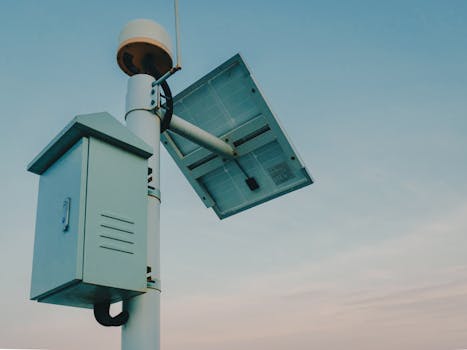
Smart water management systems (SWMS) utilize advanced technology to monitor, control, and optimize water resources. These systems can include various components such as sensors, data analytics, and automation tools that help manage water usage more effectively.
Key Features of Smart Water Management Systems
- Real-Time Monitoring: Sensors provide real-time data on soil moisture, weather conditions, and water levels.
- Data Analytics: Analyzing historical and current data helps in making informed decisions regarding irrigation schedules.
- Automation: Automated irrigation systems can be programmed to deliver water precisely when and where it is needed.
- Remote Access: Many systems offer mobile apps that allow farmers to manage their irrigation remotely.
Benefits of Using Smart Water Management Systems
Integrating a smart water management system into your agricultural practices can yield numerous benefits:
- Water Conservation: By using data-driven insights, farmers can reduce water waste and optimize usage.
- Increased Crop Yield: Proper water management can lead to healthier crops and higher productivity.
- Cost Savings: Reduced water usage and improved efficiency can lead to lower utility bills.
- Environmental Impact: Lower water consumption contributes to sustainability and less strain on local water resources.
Using Smart Water Management Systems for Rain Harvesting
Rain harvesting is an efficient method of collecting and storing rainwater for agricultural use. When combined with smart water management systems, farmers can significantly enhance their irrigation practices.
How Smart Systems Enhance Rain Harvesting
- Optimized Collection: Sensors can determine the best times for collecting rainwater, ensuring maximum efficiency.
- Storage Management: Smart systems can monitor the levels of stored rainwater and alert farmers when it's time to use it or when to anticipate overflow.
- Integrated Irrigation: Farmers can automate the irrigation process utilizing harvested rainwater, ensuring crops receive adequate hydration during dry spells.
Recommended Smart Water Management Tools
Here are some specific tools that can help implement a smart water management system in agricultural irrigation:
1. Soil Moisture Sensors
Soil moisture sensors provide real-time data on the moisture levels in the soil, allowing farmers to make informed decisions about irrigation.
- Pros: Accurate data, easy installation, and remote monitoring capabilities.
- Cons: Initial investment cost, potential maintenance required.
2. Smart Irrigation Controllers
These controllers automate irrigation schedules based on weather conditions, soil moisture, and crop needs.
- Pros: Saves time, reduces water waste, and can be controlled via mobile apps.
- Cons: Dependence on technology, potential compatibility issues with existing systems.
3. Rainwater Harvesting Systems
These systems capture and store rainwater for agricultural use, providing an efficient water source.
- Pros: Reduces reliance on municipal water, cost-effective in the long run.
- Cons: Requires space for tanks and may need regular maintenance.
4. Data Analytics Software
Software that analyzes water usage data can help farmers make informed decisions about irrigation practices.
- Pros: Provides insights into water usage patterns, can predict future needs.
- Cons: May require training to use effectively, can be costly.
Conclusion
Incorporating a smart water management system into agricultural practices can significantly enhance irrigation efficiency, especially when combined with rain harvesting techniques. By leveraging technology, farmers can conserve water, increase crop yields, and reduce costs. If you are looking for a reliable resource to plan your system, consider exploring Ted Water System for various plans tailored to your needs.
Frequently Asked Questions
1. What crops benefit the most from smart water management systems?
Most crops can benefit, but high-value crops like vegetables and fruits often see the most significant gains in yield and water conservation.
2. Are smart water management systems expensive to install?
Initial costs can vary, but many systems pay for themselves over time through water savings and improved crop yields.
3. Can I use a smart water management system in a small garden?
Yes, many smart water management solutions are scalable and can be used effectively in small gardens as well as large farms.
📚 Related Articles
🔨 Want 16,000+ Water System Plans?
Get instant access to step-by-step plans with blueprints and cut lists.
Get Instant Access →