Introduction
As the world becomes increasingly aware of the need for sustainable living, many homeowners are exploring innovative ways to conserve water. One of the most effective methods is rain harvesting, which collects and stores rainwater for various uses. But can you combine rain harvesting with other water-saving systems? The answer is a resounding yes! In this article, we will explore how to integrate rain harvesting with other systems, the tools you might need, and the benefits of doing so.
Understanding Rain Harvesting
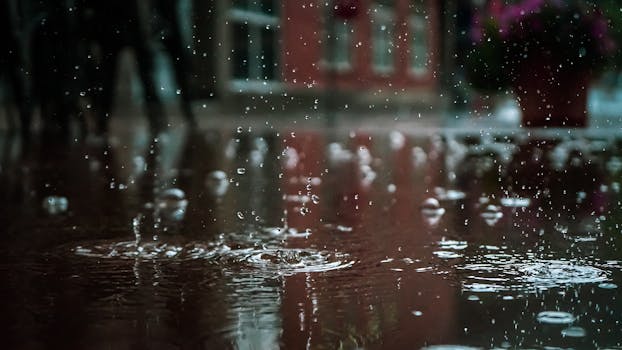
Rain harvesting involves collecting rainwater from roofs, paving, or other surfaces and directing it into storage tanks. This water can be used for irrigation, flushing toilets, and even for drinking (if properly treated).
Benefits of Rain Harvesting
- Reduces reliance on municipal water systems.
- Decreases water bills.
- Helps in flood control and reduces stormwater runoff.
- Encourages sustainable living.
Combining Rain Harvesting with Other Water-Saving Systems
Integrating rain harvesting with other water-saving systems can create a comprehensive approach to water conservation. Here are a few systems you can combine with your rain harvesting setup:
1. Drip Irrigation Systems
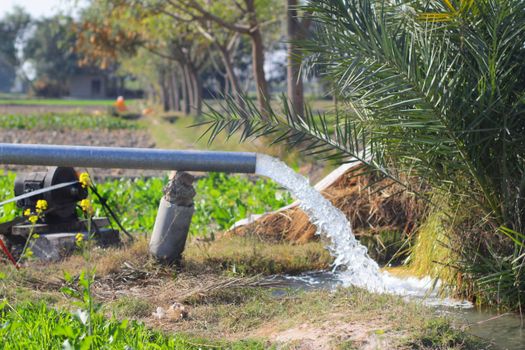
Drip irrigation systems deliver water directly to the plant's root zone, minimizing evaporation and runoff. By using harvested rainwater, you can efficiently water your garden without relying on municipal supplies.
Tools Needed:- Drip Irrigation Kit
- Rainwater Storage Tank
- Filter System
- Highly efficient water usage.
- Reduces water wastage.
- Can be automated with timers.
- Initial setup can be costly.
- Requires maintenance to prevent clogging.
2. Greywater Recycling Systems
Greywater systems collect water from sinks, showers, and washing machines, which can then be reused for irrigation or toilet flushing. When combined with rain harvesting, you can create a two-pronged approach to save even more water.
Tools Needed:- Greywater Collection Tank
- Filtration System
- Pump System
- Utilizes water that would otherwise go to waste.
- Reduces demand on freshwater sources.
- Can be integrated into existing plumbing systems.
- Requires careful planning and installation.
- Not all greywater is suitable for irrigation.
3. Smart Irrigation Controllers
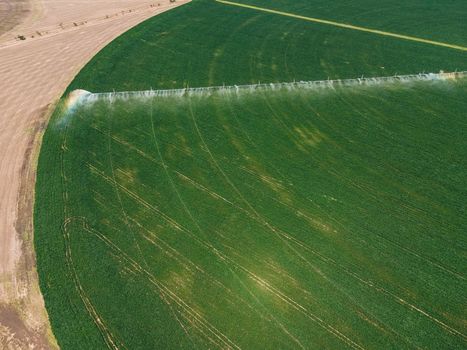
Smart irrigation controllers adjust watering schedules and amounts based on weather conditions and soil moisture levels. When paired with rain harvesting systems, these controllers can optimize water usage further.
Tools Needed:- Smart Irrigation Controller
- Soil Moisture Sensors
- Rain Gauge
- Automates irrigation for convenience.
- Adjusts watering based on real-time data.
- Can save up to 50% more water compared to traditional systems.
- Initial investment can be high.
- Requires reliable Wi-Fi for full functionality.
4. Water-Efficient Appliances
Investing in water-efficient appliances such as toilets, dishwashers, and washing machines can further reduce your water consumption. Using rainwater for these appliances can amplify savings.
Tools Needed:- Water-Efficient Appliances
- Rainwater Diversion System
- Significantly reduces overall water usage.
- Often qualifies for rebates or incentives.
- Improves home value.
- Higher upfront cost compared to standard appliances.
- May require adjustment during installation for rainwater use.
Resources for Planning Your System
For those interested in combining rain harvesting with other water-saving systems, Ted Water System is an excellent resource for plans and tools. Their comprehensive guides can help you understand the best practices and tools needed to implement your system successfully.
Conclusion
Combining rain harvesting with other water-saving systems not only maximizes your conservation efforts but also contributes to a more sustainable lifestyle. With the right tools and planning, you can create an efficient water management system that benefits both your household and the environment.
FAQ
- Can rainwater be used for drinking? Yes, but it must be properly treated and filtered to ensure safety.
- How much rainwater can I realistically collect? This depends on your roof size and the amount of rainfall in your area.
- What maintenance is required for a rain harvesting system? Regularly check and clean filters, storage tanks, and any connected systems to ensure efficiency.
📚 Related Articles
🔨 Want 16,000+ Water System Plans?
Get instant access to step-by-step plans with blueprints and cut lists.
Get Instant Access →