Introduction
Creating a balanced irrigation system is essential for maintaining a healthy garden, especially in regions where water conservation is a priority. With the advent of smart water technology, homeowners can now manage their irrigation systems more effectively than ever. However, there are common mistakes that many make when setting up their systems. In this article, we will discuss how to create a balanced irrigation system using smart water technology, highlight common pitfalls to avoid, and provide troubleshooting tips and fixes.
Understanding Smart Water Technology
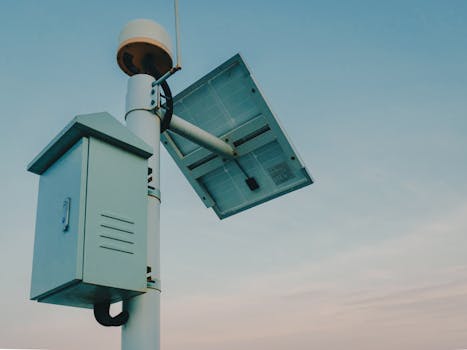
Smart water technology refers to the tools and systems designed to optimize water usage in irrigation. These technologies can include:
- Smart controllers: Devices that adjust watering schedules based on weather conditions.
- Soil moisture sensors: Sensors that measure the moisture level in the soil to determine when watering is necessary.
- Drip irrigation systems: Efficient watering systems that deliver water directly to the plant’s roots, reducing evaporation.
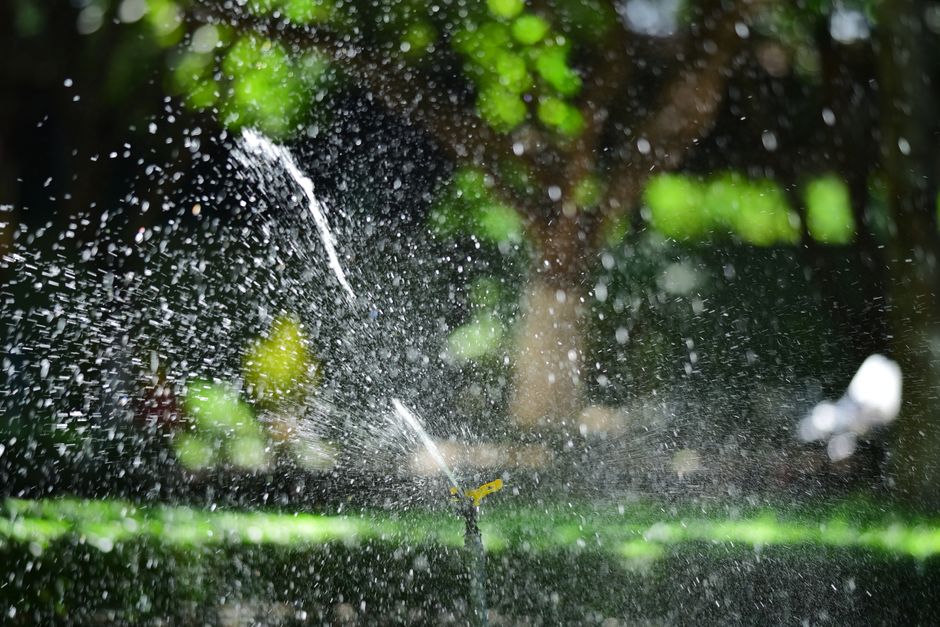
- Automated sprinkler systems: Sprinklers that can be programmed to water at specific times and durations.
Common Mistakes to Avoid
When designing and implementing a balanced irrigation system, it is crucial to avoid the following common mistakes:
1. Overwatering or Underwatering
One of the most significant issues in irrigation systems is incorrect watering amounts. Overwatering can lead to root rot, while underwatering can stress plants.
- Solution: Use soil moisture sensors to monitor soil conditions. This ensures that you water only when necessary.
2. Poor System Design
A poorly designed irrigation system can lead to uneven watering and wasted resources. Factors such as plant types, soil types, and garden layouts must be considered.
- Solution: Plan your irrigation layout carefully. Group plants with similar water needs together and consider using drip irrigation for areas with varying plant requirements.
3. Neglecting Maintenance
Regular maintenance is essential for any irrigation system. Clogged filters, broken emitters, and damaged hoses can severely affect system performance.
- Solution: Schedule regular inspections and maintenance checks. Clean filters, check for leaks, and replace any damaged components promptly.
4. Not Utilizing Smart Technology Features
Many homeowners invest in smart technology but fail to use all its features effectively. This can lead to suboptimal performance.
- Solution: Take the time to learn about your system's features. For instance, use weather data inputs on smart controllers to adjust watering schedules automatically.
5. Ignoring Local Regulations
Watering regulations vary by location, and ignoring them can lead to fines and penalties.
- Solution: Research local watering restrictions and adjust your irrigation practices accordingly. Smart controllers can help automate compliance.
Troubleshooting Tips and Fixes
Even with a well-designed irrigation system, issues can arise. Here are some common problems and their fixes:
1. Uneven Water Distribution
If certain areas of your garden are receiving too much or too little water, check for:
- Clogs in drip emitters or sprinkler heads.
- Incorrect pressure settings.
- Obstructions such as weeds or debris.
Fix: Clean or replace clogged components and adjust the pressure settings as necessary. Ensure that there are no obstructions in the way of your irrigation system.
2. High Water Bills
If you notice an increase in your water bill, it may be due to leaks or inefficient watering practices.
- Inspect hoses and connections for leaks.
- Check for overspray areas that may be watering sidewalks or driveways.
Fix: Repair any leaks and adjust the system to minimize overspray. Consider using a rain gauge to optimize watering schedules.
3. Plant Health Issues
If your plants are not thriving, it could be a sign of improper watering.
- Look for signs of overwatering, such as yellowing leaves.
- Check if the soil is consistently dry, indicating underwatering.
Fix: Adjust your watering schedule based on the plant's needs and environmental conditions. Use the resources available from Ted Water System for effective irrigation plans tailored to your garden.
Conclusion
Creating a balanced irrigation system with smart water technology can significantly improve your garden's health while conserving water. By avoiding common mistakes and following troubleshooting tips, you can ensure your system operates efficiently and effectively. Remember to stay informed about the technology and resources available to you, such as those offered by Ted Water System, to optimize your garden watering practices.
FAQ Section
1. How often should I check my irrigation system?
It is advisable to check your irrigation system at least once a month, especially during peak growing seasons, to ensure everything is functioning correctly.
2. Can I set my smart irrigation system to adjust automatically?
Yes, many smart irrigation systems can be programmed to adjust watering schedules based on weather conditions and soil moisture levels.
3. What is the best watering time for my garden?
The best time to water your garden is early in the morning or late in the evening when temperatures are cooler, and evaporation rates are lower.
📚 Related Articles
🔨 Want 16,000+ Water System Plans?
Get instant access to step-by-step plans with blueprints and cut lists.
Get Instant Access →