Introduction
Creating a water-efficient garden is not only beneficial for the environment, but it can also save you money on your water bills. With careful planning and the right materials, you can build a garden that conserves water while still looking beautiful and thriving. In this guide, we will walk you through the steps to create a water-efficient garden on a budget, including cost-saving tips and affordable materials.
Step 1: Plan Your Garden Layout
Before you start planting, it’s essential to plan your garden layout. A well-planned garden can significantly reduce water usage. Here are some tips:
- Group plants by water needs: Place plants with similar water requirements together to optimize watering.
- Use native plants: Native plants are adapted to your climate and typically require less water once established.
- Consider sun and shade: Position sun-loving plants in sunny areas and shade-loving plants in shaded spots to reduce stress on your plants.
Step 2: Choose Water-Efficient Plants
Selecting the right plants is crucial for creating a water-efficient garden. Some affordable options include:
- Succulents: These plants store water in their leaves and require minimal watering.
- Herbs: Many herbs, such as rosemary and thyme, are drought-resistant and can thrive in dry conditions.
- Perennials: Once established, many perennials require less watering than annuals.
Step 3: Improve Soil Quality
Healthy soil retains moisture better, which means less watering. Here are some budget-friendly ways to improve your soil:
- Add organic matter: Compost is a great way to improve soil quality. You can make your own compost using kitchen scraps and yard waste.
- Use mulch: Applying a layer of mulch around your plants can help retain moisture and reduce evaporation.
- Test your soil: A simple soil test can help you understand its nutrient content and pH, enabling you to make informed amendments.
Step 4: Implement Efficient Watering Techniques
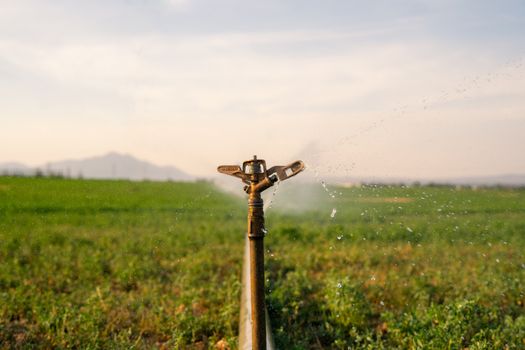
Watering your garden efficiently can make a significant difference in water usage. Consider the following tips:
- Water early or late: Water your garden during the early morning or late afternoon to reduce evaporation.
- Use drip irrigation: A drip irrigation system delivers water directly to the roots, minimizing waste. You can find affordable drip irrigation kits online or at local garden centers.
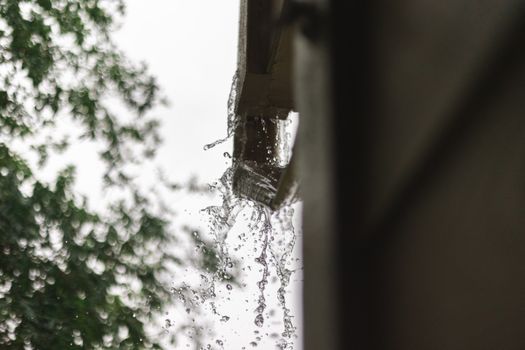
- Collect rainwater: Install rain barrels to collect rainwater from your roof. This water can be used to irrigate your garden, reducing your reliance on municipal water supplies.
Step 5: Maintain Your Water-Efficient Garden
Once your garden is established, regular maintenance is key to keeping it water-efficient:
- Monitor moisture levels: Use a moisture meter or simply check the soil with your finger to determine when to water.
- Prune regularly: Keep your plants healthy and reduce water competition by pruning dead or overcrowded growth.
- Watch for pests: Healthy plants are less susceptible to pests, but if you notice any issues, address them promptly to avoid stress on your plants.
Conclusion
Building a water-efficient garden doesn’t have to break the bank. By planning your layout, choosing the right plants, improving soil quality, implementing efficient watering techniques, and maintaining your garden, you can create a beautiful space that saves water and money. For more detailed plans and resources, consider checking out Ted Water System, which offers various guides and plans to help you optimize your garden watering system.
FAQ
1. What are the best plants for a water-efficient garden?
Succulents, drought-resistant herbs like rosemary and thyme, and native perennials are excellent choices.
2. How can I collect rainwater for my garden?
Install rain barrels beneath your downspouts to collect rainwater, which can then be used for watering your garden.
3. How often should I water my garden to keep it water-efficient?
It depends on the plant types and weather conditions, but generally, watering 1-2 times a week is sufficient. Always check soil moisture before watering.
📚 Related Articles
🔨 Want 16,000+ Water System Plans?
Get instant access to step-by-step plans with blueprints and cut lists.
Get Instant Access →