Introduction
As water scarcity becomes an increasingly pressing issue, the efficiency of our water systems is paramount. Homeowners and businesses alike are seeking ways to save water and reduce costs, leading to the emergence of smart water systems. But how do they stack up against traditional solutions regarding return on investment (ROI)? In this article, we will explore the evaluation of ROI for smart water systems compared to traditional options, highlighting common mistakes to avoid and providing troubleshooting tips.
Understanding Smart Water Systems
Smart water systems utilize technology to monitor and manage water usage efficiently. These systems can include:
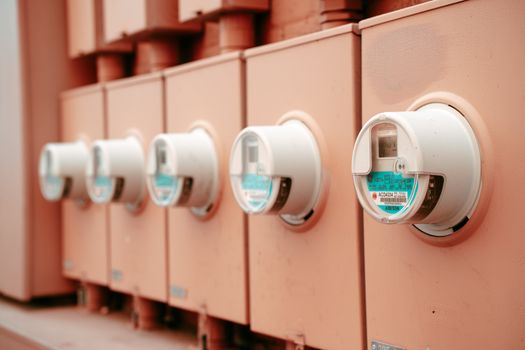
- Smart meters: Devices that provide real-time data on water consumption.
- Leak detection sensors: Tools that alert homeowners to leaks before they cause significant damage.
- Automated irrigation systems: Systems that optimize watering schedules based on weather conditions.
Traditional Water Solutions
Traditional water systems typically involve manual management and basic plumbing solutions. This can include:
- Standard irrigation systems: Fixed schedules that may not account for weather variations.
- Manual leak detection: Relying on visual inspections to identify problems.
- Standard water meters: Monthly readings that do not provide real-time data.
Evaluating ROI: Key Considerations
When evaluating the ROI of smart water systems versus traditional solutions, consider the following factors:
1. Initial Costs
The upfront investment for smart water systems can be higher than traditional systems. However, it is essential to weigh this against potential long-term savings. Analyze costs such as:
- Purchase and installation of smart devices.
- Potential rebates or incentives for smart technologies.
- Maintenance costs over time.
2. Water Savings
Smart water systems are designed to reduce water consumption. Calculate the estimated savings by:
- Comparing historical water usage data.
- Using smart meter data to identify peak usage times.
- Estimating the reduction in water bills over a year.
3. Maintenance and Repair Costs
Maintenance is often less frequent with smart systems, leading to lower repair costs. Consider:
- Average repair costs for traditional systems.
- Warranty and support options with smart systems.
- Long-term durability and reliability of the technology.
4. Environmental Impact
Investing in smart water systems often aligns with sustainability goals. Evaluate:
- Reduction in water wastage contributing to environmental conservation.
- Potential for your home or business to qualify for green certifications.
- Community impact through responsible water usage.
Common Mistakes to Avoid
When transitioning to a smart water system, some common mistakes can hinder ROI. Here are a few to avoid:
1. Underestimating Installation Costs
Many homeowners assume that the cost of installing smart systems is only the price of the devices. Remember to factor in installation and potential upgrades needed for existing plumbing.
2. Ignoring Data
Smart systems provide valuable data that can guide water management decisions. Failing to analyze this data can result in missed opportunities for savings. Make sure to regularly review your consumption patterns and adjust your usage accordingly.
3. Neglecting Regular Maintenance
While smart systems may require less maintenance, neglecting regular checks can lead to performance issues. Schedule routine inspections and keep software updated to ensure optimal functioning.
Troubleshooting Tips and Fixes
If you encounter issues with your smart water system, here are some troubleshooting tips:
1. Connectivity Issues
If your smart devices are not communicating, check:
- Your Wi-Fi connection and router placement.
- Device firmware for updates.
- Rebooting the devices to reset connections.
2. Inaccurate Readings
If you notice discrepancies in water usage data, consider:
- Calibrating the smart meter according to manufacturer instructions.
- Checking for leaks or clogs in the plumbing system.
- Consulting with customer support if problems persist.
3. High Water Bills
If your water bill is unexpectedly high, review:
- Usage patterns during the month.
- Potential leaks detected by the system.
- Adjustment of watering schedules in automated systems.
Conclusion
Evaluating the ROI of smart water systems versus traditional solutions requires a thorough analysis of costs, savings, and sustainability impacts. By understanding the strengths and weaknesses of each system, you can make an informed decision that aligns with your water conservation goals. For those looking for detailed plans and resources, consider checking out Ted Water System, which provides comprehensive solutions for water management.
FAQ
1. Are smart water systems worth the investment?
While the initial cost is higher, smart water systems can lead to significant long-term savings, making them worth the investment for many.
2. How can I maximize the ROI of my smart water system?
Regularly analyze data, perform maintenance, and adjust usage patterns to maximize water savings.
3. What should I do if my smart water system fails?
Check connectivity, review for any software updates, and consult the manufacturer’s customer support for assistance.
📚 Related Articles
🔨 Want 16,000+ Water System Plans?
Get instant access to step-by-step plans with blueprints and cut lists.
Get Instant Access →