The Future of Irrigation with Smart Water Technology
As we move into a future characterized by climate change and increasing water scarcity, the need for efficient irrigation systems has never been more urgent. Smart water technology is revolutionizing how we manage and utilize water resources. This article explores the future of irrigation with these technologies and offers budget-friendly tips for building your own efficient water storage systems.
Understanding Smart Water Technology
Smart water technology encompasses a range of innovations aimed at improving water management. These technologies include sensors, automated systems, and data analytics to optimize irrigation efforts.
- Soil Moisture Sensors: These devices measure the moisture content in the soil and provide real-time data to determine when irrigation is needed.
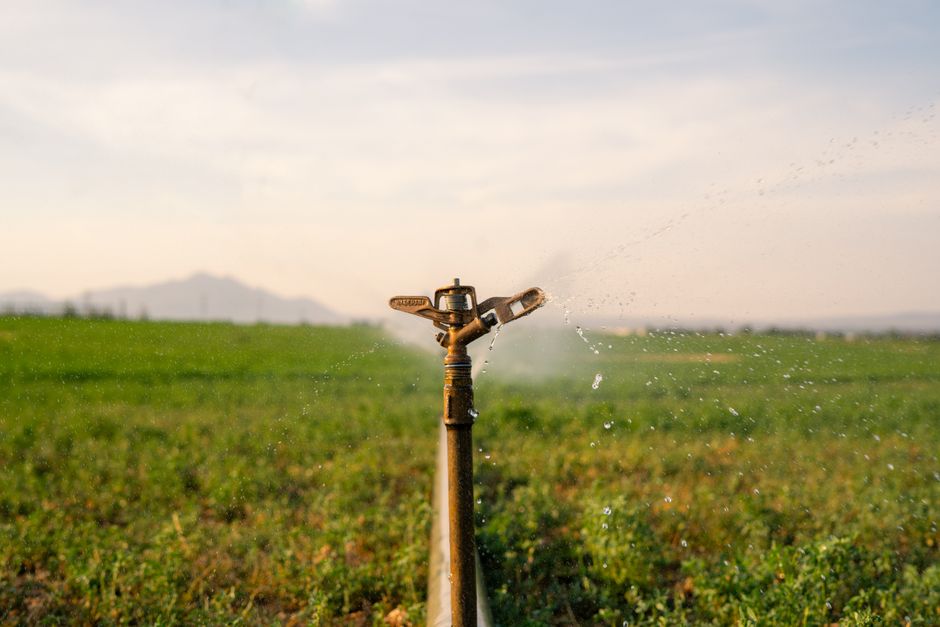
- Automated Irrigation Systems: These systems can be programmed to water crops at specific times or under certain conditions, saving both time and water.
- Weather Forecast Integration: Smart irrigation systems can adjust watering schedules based on weather predictions, reducing unnecessary water use.
Cost-Saving Tips for Smart Irrigation Implementation
Building a smart irrigation system doesn't have to break the bank. Here are some cost-effective strategies and materials that can help you create an efficient water storage and irrigation system.
1. DIY Water Storage Solutions
Instead of investing in expensive commercial water tanks, consider using repurposed materials for water storage. Here are some ideas:
- Old barrels or drums can be used to store rainwater. Make sure to clean them thoroughly before use.
- Use large plastic containers or totes, which can often be found at low cost or even for free from local businesses.
- Consider building a simple pond or cistern that collects rainwater. This can be a great way to store larger quantities of water.
2. Invest in Affordable Sensors
While high-end smart irrigation systems can be pricey, there are budget-friendly sensor options available:
- Basic soil moisture sensors can be found for under $20 and can help you monitor when to water.
- Consider using Arduino or Raspberry Pi to build your own sensor systems for a fraction of the cost.
3. Use Efficient Irrigation Techniques
Integrating smart technology with efficient irrigation methods can further enhance water conservation:
- Drip Irrigation: This method delivers water directly to the plant roots, minimizing evaporation and runoff.
- Mulching: Covering the soil with organic material helps retain moisture and reduces the need for frequent watering.
4. Explore Grants and Resources
Many organizations offer grants and financial assistance for the implementation of smart irrigation technology. Check out resources like Ted Water System, which provides plans and information to help you get started on your smart irrigation journey.
The Environmental Impact of Smart Irrigation
The adoption of smart water technology not only benefits individual users but also has a significant positive impact on the environment:
- Reduced water waste leads to conservation of this precious resource.
- Optimized irrigation practices can improve crop yields while decreasing the need for chemical fertilizers.
- Lower energy consumption for water pumping translates to a smaller carbon footprint.
Challenges to Consider
While the future looks promising for smart irrigation technologies, there are challenges that need to be addressed:
- Initial Costs: Although smart technologies can save money in the long run, the initial investment can be a barrier for some.
- Technological Knowledge: Users may need to learn how to operate and maintain these systems effectively.
- Infrastructure Limitations: Some areas may lack the necessary infrastructure to support advanced irrigation systems.
Conclusion
The future of irrigation is undoubtedly intertwined with smart water technology. As we strive for sustainability and efficiency, even small changes can lead to significant improvements in water management. By adopting budget-friendly solutions and leveraging resources like Ted Water System, you can contribute to a more sustainable future while saving money.
FAQ
- What are the benefits of smart irrigation? Smart irrigation systems help conserve water, reduce costs, and improve crop yields by optimizing watering schedules based on real-time data.
- How can I create a budget-friendly irrigation system? Use repurposed materials for water storage, invest in affordable sensors, and implement efficient irrigation techniques like drip irrigation.
- Are there grants available for smart irrigation systems? Yes, various organizations offer grants and resources to assist in the implementation of smart irrigation technologies.
📚 Related Articles
🔨 Want 16,000+ Water System Plans?
Get instant access to step-by-step plans with blueprints and cut lists.
Get Instant Access →