Introduction
Water conservation is increasingly important for homeowners looking to reduce their environmental footprint and save on utility bills. With effective water storage and management techniques, you can make a significant difference in your water usage. In this article, we will explore the top five smart water conservation techniques for homeowners, including common mistakes to avoid and troubleshooting tips to ensure your systems function optimally.
1. Rainwater Harvesting
Rainwater harvesting involves collecting and storing rainwater from rooftops. It can be used for irrigation, flushing toilets, and even drinking water after proper filtration.
- Common Mistake: Poor filtration systems.
- Troubleshooting Tip: Invest in high-quality filters to ensure water quality. Regularly check and clean your filters to avoid clogs.
- Fix: Consider a dual-filter system for extra protection against contaminants.
2. Greywater Recycling
Greywater systems collect water from sinks, showers, and washing machines for reuse in irrigation and flushing toilets. This method reduces the amount of freshwater needed.
- Common Mistake: Not separating blackwater from greywater.
- Troubleshooting Tip: Ensure proper plumbing design to avoid cross-contamination and odor issues.
- Fix: Regularly inspect your plumbing and install proper signage for greywater systems.
3. Smart Irrigation Systems
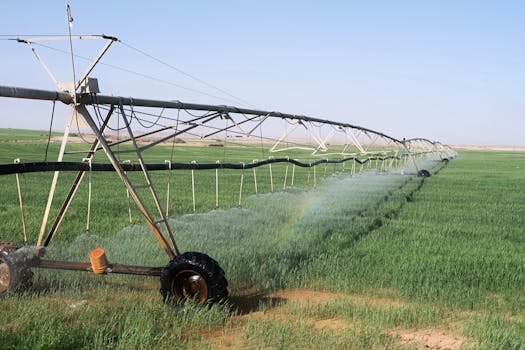
Smart irrigation systems utilize technology to optimize watering schedules based on weather conditions, soil moisture, and plant needs. This results in significant water savings.
- Common Mistake: Ignoring the manual settings.
- Troubleshooting Tip: Regularly review and adjust settings according to seasonal changes and rainfall.
- Fix: Set reminders to check your irrigation system monthly for optimal performance.
4. Leak Detection Systems
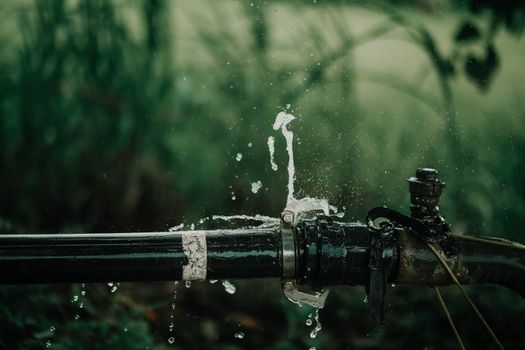
Installing leak detection systems can help homeowners identify leaks early, preventing water waste and costly repairs. These systems can alert you to unexpected spikes in water usage.
- Common Mistake: Neglecting regular maintenance.
- Troubleshooting Tip: Periodically test your leak detection system to ensure it functions correctly.
- Fix: Replace batteries in wireless systems and update software settings yearly.
5. Efficient Water Fixtures
Upgrading to water-efficient fixtures, such as low-flow toilets, showerheads, and faucets, can drastically reduce water consumption. These fixtures help maintain performance while using less water.
- Common Mistake: Choosing fixtures without checking the flow rate.
- Troubleshooting Tip: Review manufacturer specifications before purchase to ensure compliance with water-saving standards.
- Fix: Consult resources like Ted Water System for recommendations on the best products for your home.
Conclusion
Implementing smart water conservation techniques not only helps homeowners save on water bills but also contributes to a more sustainable future. By avoiding common mistakes and employing troubleshooting tips, you can enhance the efficiency of your water systems. Explore options like rainwater harvesting, greywater recycling, and smart irrigation systems to maximize your home's water conservation efforts.
FAQ
- What is rainwater harvesting? Rainwater harvesting is the collection and storage of rainwater from rooftops for various uses, including irrigation and household purposes.
- How can I check for leaks in my home? Regularly monitor your water bill for unusual spikes, inspect visible pipes for moisture, and consider installing a leak detection system.
- Are smart irrigation systems worth the investment? Yes, they can lead to significant water savings and reduce your overall water usage, making them a worthwhile investment for homeowners.
🔨 Want 16,000+ Water System Plans?
Get instant access to step-by-step plans with blueprints and cut lists.
Get Instant Access →