The Future of Smart Water Conservation Technologies
As we head into an era where water scarcity is becoming a pressing global issue, the need for effective water conservation technologies has never been more critical. Smart water conservation technologies are at the forefront of this movement, utilizing advanced systems to optimize water use in homes and businesses. In this article, we will explore the future of these technologies, common mistakes to avoid, and troubleshooting tips to ensure their effectiveness.
Understanding Smart Water Conservation Technologies
Smart water conservation technologies encompass a range of tools and systems designed to monitor, manage, and reduce water usage. These technologies include:
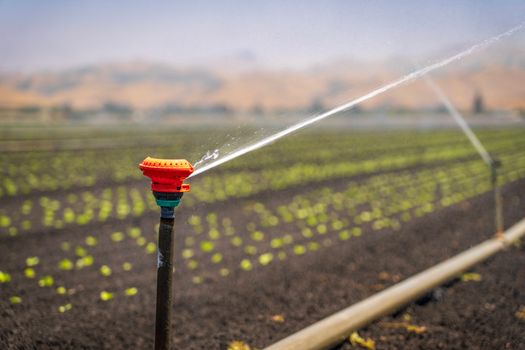
- Smart Irrigation Systems: Automated systems that adjust watering schedules based on real-time weather data and soil moisture levels.
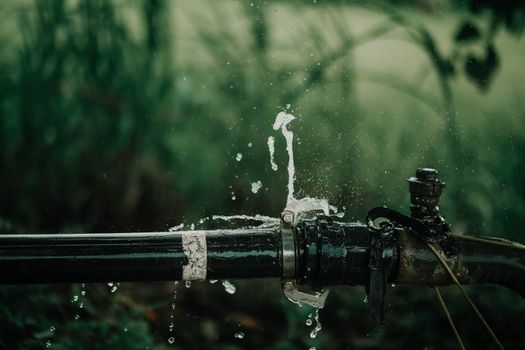
- Water Leak Detection Sensors: Devices that identify leaks in plumbing systems, alerting homeowners before significant damage occurs.
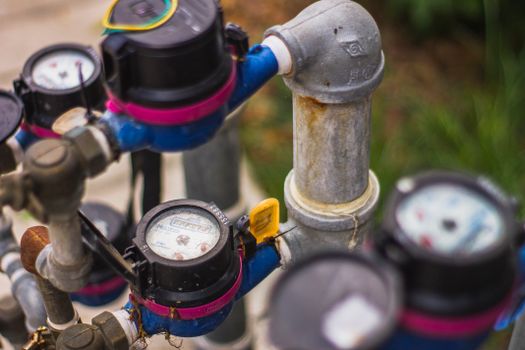
- Smart Water Meters: Meters that provide real-time data on water usage, enabling users to track their consumption and identify patterns.
- Greywater Recycling Systems: Technologies that repurpose wastewater from baths, sinks, and washing machines for irrigation and other non-potable uses.
The Role of Ted Water System
When considering the implementation of smart water technologies, resources like Ted Water System can be invaluable. They provide comprehensive plans and insights into the latest innovations in water conservation. Leveraging such resources can help individuals and organizations make informed decisions about which technologies to adopt.
Common Mistakes to Avoid
As with any technology, there are common pitfalls that can undermine the effectiveness of smart water conservation solutions. Here are some mistakes to watch out for:
- Underestimating the Importance of Installation: Many users overlook the significance of proper installation. Whether it’s a smart irrigation system or a leak detection sensor, incorrect installation can lead to malfunctions and inefficiencies. Always follow manufacturer guidelines or hire professional help for installation.
- Neglecting Regular Maintenance: Just like any other system in your home, smart water technologies require regular checks and maintenance. Failing to perform routine maintenance can lead to decreased performance and unexpected failures.
- Ignoring Data and Analytics: Smart meters and sensors provide valuable data about water usage. Ignoring this information means losing out on opportunities to optimize water conservation efforts. Take time to analyze the data and adjust your habits accordingly.
- Choosing the Wrong Technology: With a plethora of options available, selecting the wrong technology for your specific needs can lead to frustration and wasted resources. Assess your water usage patterns and research which technologies would best address your unique requirements.
- Overreliance on Technology: While smart technologies can significantly aid in water conservation, they should not be seen as a substitute for responsible water use practices. Always combine technology with awareness and education about water conservation.
Troubleshooting Tips and Fixes
Even with the best systems in place, issues can arise. Here are some troubleshooting tips to help you address common problems:
- Smart Irrigation Issues: If your smart irrigation system is not functioning as expected, check the sensor calibration. Ensure that the soil moisture sensors are placed correctly and that the system is connected to a reliable weather service.
- Leak Detection Alerts: If you receive frequent alerts from your leak detection system, check the areas around faucets, toilets, and pipes for minor leaks. Ensure that the sensors are installed at appropriate locations, as false alarms can sometimes occur due to incorrect placement.
- Data Discrepancies with Smart Meters: If you notice discrepancies in water usage data, verify that the meter is functioning properly and that there are no obstructions affecting readings. Regularly clean the meter and ensure that it is calibrated correctly.
- Greywater Recycling System Problems: If your greywater system is not functioning, check for clogs in the filters and ensure that pumps are working efficiently. Regular maintenance is key to keeping these systems operational.
Looking Ahead
The future of smart water conservation technologies is bright, with continuous advancements promising more efficient and user-friendly solutions. Innovations like AI-driven analytics and IoT integration are set to enhance the performance of these systems further. However, success hinges on understanding how to implement these technologies effectively, avoiding common mistakes, and being proactive in addressing any challenges that arise.
Conclusion
Smart water conservation technologies hold the potential to make a substantial difference in our fight against water scarcity. By being aware of common mistakes and following troubleshooting tips, you can maximize the effectiveness of these systems. Remember to leverage resources like Ted Water System to stay updated on the latest advancements in water conservation technology.
FAQ
- What are the benefits of using smart water conservation technologies? Smart technologies can help reduce water waste, lower utility bills, and promote responsible water use.
- How often should I maintain my smart water systems? Regular maintenance should be conducted at least once a year, but some systems may require more frequent checks.
- Can I integrate multiple smart water technologies? Yes, many systems are designed to work together, providing comprehensive solutions for water conservation.
📚 Related Articles
🔨 Want 16,000+ Water System Plans?
Get instant access to step-by-step plans with blueprints and cut lists.
Get Instant Access →