Introduction
Rainwater harvesting is an excellent way to conserve water and make the most out of nature's resources. A smart water box can enhance the efficiency of your rain harvesting system, allowing you to store and utilize rainwater effectively. In this article, we'll discuss how to set up a smart water box, highlight common mistakes to avoid, and provide troubleshooting tips to ensure your system operates smoothly.
Understanding the Smart Water Box
A smart water box is an innovative solution designed to collect and store rainwater. It can be equipped with sensors and smart technology that monitors water levels, provides alerts for maintenance, and even integrates with home automation systems. Here’s why setting up a smart water box is beneficial:
- Water Conservation: Reduces reliance on municipal water sources.
- Cost Savings: Lowers water bills by maximizing the use of harvested rainwater.
- Environmental Impact: Helps mitigate urban flooding and reduces runoff.
Components You Will Need
Before diving into the setup process, gather the necessary materials:
- Rainwater collection barrel or tank
- First flush diverter
- Overflow pipe
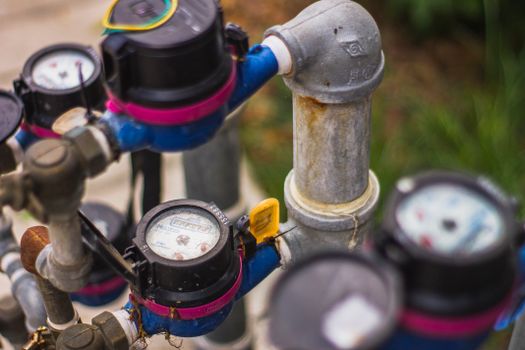
- Smart water monitoring system
- Filter for debris removal
- Connecting hoses and fittings
- Ted Water System plans for guidance
Steps to Set Up Your Smart Water Box
1. Choose the Right Location
Locate an area close to your downspouts where the water box can easily collect rainwater. Ensure that the ground is level and stable to support the weight of the full tank.
2. Install the Collection System
Attach gutters and downspouts to channel rainwater into the smart water box. Consider using a first flush diverter to prevent the initial dirty water from entering the tank.
3. Set Up the Smart Monitoring System
Install your smart water monitoring system according to the manufacturer’s instructions. This device will help you track water levels and send alerts when maintenance is needed.
4. Add Filters and Overflow Pipes
Ensure that filters are placed at the entry point of the water box to catch debris and leaves. An overflow pipe should also be installed to redirect excess water during heavy rainfall.
5. Connect to Your Irrigation System
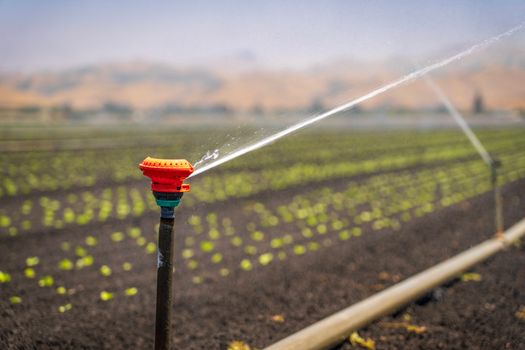
If you plan to use the harvested rainwater for irrigation, connect your smart water box to your irrigation system. This can often be automated for convenience.
6. Test the System
After setting everything up, conduct a test run during a rainstorm to see how well the system works. Check for any leaks or issues.
Common Mistakes to Avoid
Even the best systems can face challenges. Here are some common mistakes to avoid when setting up your smart water box:
- Ignoring Local Regulations: Always check local laws regarding rainwater harvesting. Some areas have specific regulations that must be followed.
- Neglecting Maintenance: Regular maintenance is crucial. Clean filters and check for blockages to ensure optimal performance.
- Poor Sizing of Components: Ensure that your water box and associated components are appropriately sized for your roof area and average rainfall.
- Overlooking Water Quality: Make sure the collected rainwater is safe for its intended use. Install proper filtration systems to maintain water quality.
- Improper Location: Placing the water box too far from the roof downspouts can lead to inefficient water collection.
Troubleshooting Tips
If you encounter issues with your smart water box, consider the following troubleshooting tips:
- Low Water Levels: Check for clogs in the downspouts or filters. Ensure that the collection area is clean and clear of debris.
- Overflow Issues: If water is flooding your area, verify that the overflow pipe is correctly installed and directed away from your home.
- Smart Monitoring Malfunctions: If the monitoring system fails to send alerts, check the power source and connectivity. Ensure the sensors are clean and unobstructed.
Conclusion
Setting up a smart water box for efficient rain harvesting is a proactive step towards water conservation. By avoiding common mistakes and following troubleshooting tips, you can enjoy the benefits of a well-functioning rainwater collection system. For detailed guidance, consider utilizing the plans available through Ted Water System to help you get started.
FAQ
1. How much rainwater can a smart water box typically collect?
The amount of rainwater collected depends on the size of your water box and the roof area it drains from. A larger box can hold more water, so plan accordingly based on your needs.
2. Can I use harvested rainwater for drinking?
Yes, but only if you have installed a proper filtration and purification system. Always check local regulations regarding potable water standards.
3. How often should I clean my rainwater collection system?
Ideally, clean your filters and check your system at least once a season, more frequently during heavy rain periods.
📚 Related Articles
🔨 Want 16,000+ Water System Plans?
Get instant access to step-by-step plans with blueprints and cut lists.
Get Instant Access →