The Future of Water-Saving Systems in Home Gardening
As climate change continues to affect our environment, the need for sustainable practices becomes more critical than ever. Home gardening is no exception, and with the right water-saving systems, gardeners can reduce their water usage while still maintaining lush, healthy plants. In this article, we will discuss the future of these systems and highlight common mistakes to avoid, along with troubleshooting tips and fixes.
Understanding Water-Saving Systems
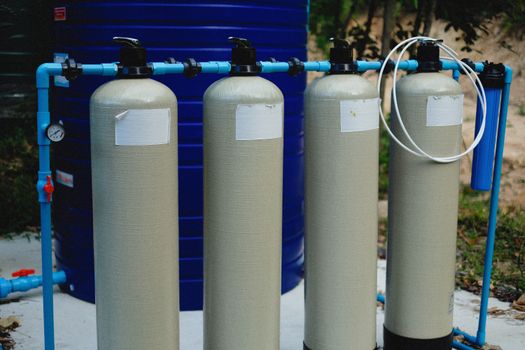
Water-saving systems are designed to optimize the use of water in gardening. These systems can range from simple drip irrigation setups to advanced smart irrigation technologies. The key is to deliver water directly to the roots of plants, minimizing waste and evaporation.
Emerging Technologies
The future of water-saving systems is bright, with numerous innovations on the horizon:
- Smart Irrigation Controllers: These devices use weather data and soil moisture sensors to adjust watering schedules automatically.
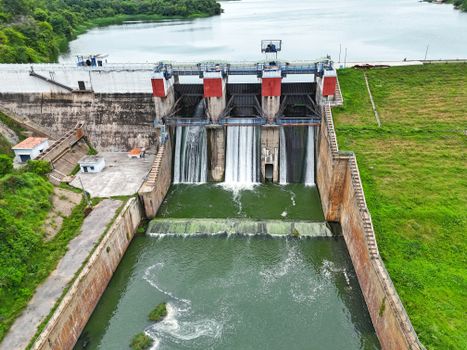
- Rainwater Harvesting: Collecting and storing rainwater can significantly reduce the reliance on municipal water sources.
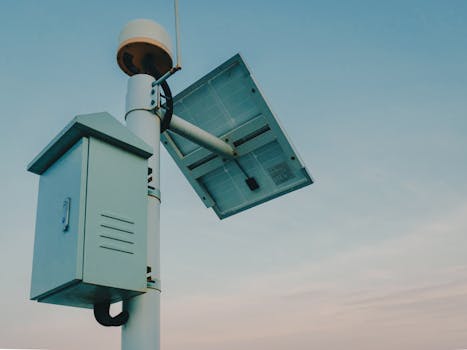
- Soil Moisture Sensors: These sensors provide real-time data on soil moisture levels, allowing for precise watering.
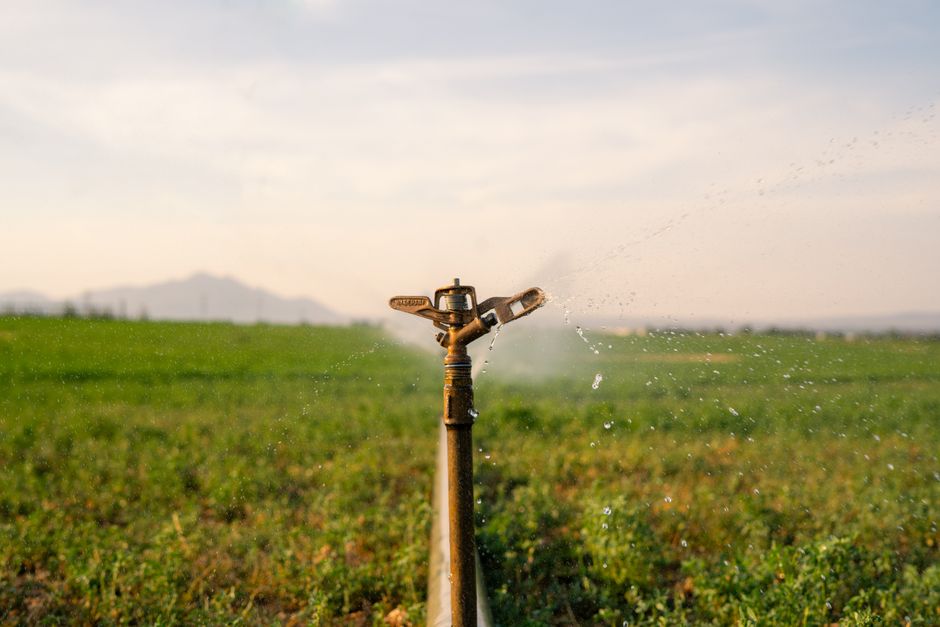
- Automated Drip Systems: These systems deliver water slowly and directly to the plant roots, reducing evaporation and runoff.
Common Mistakes to Avoid
While integrating water-saving systems into your home gardening routine can be beneficial, there are common mistakes that many gardeners make. Avoiding these pitfalls will ensure that your system functions effectively:
1. Overwatering
One of the most prevalent mistakes is overwatering. Many gardeners assume that more water means healthier plants. However, this is not always the case. Overwatering can lead to root rot and other plant diseases. To avoid this:
- Monitor soil moisture with a sensor or by simply feeling the soil. Water only when necessary.
- Adjust your watering schedule based on the weather and season.
2. Poor System Design
A poorly designed watering system can lead to inefficient water use. For instance, if you set up a drip irrigation system without considering the layout of your garden, some plants may receive too much water while others receive too little. To improve your system design:
- Map out your garden and identify the water needs of each plant.
- Consider using a mix of watering methods, such as combining drip irrigation with rainwater harvesting.
3. Ignoring Maintenance
Like any system, water-saving irrigation systems require regular maintenance. Neglecting this can lead to clogs and inefficiencies. To keep your system in peak condition:
- Regularly check for clogs in drip lines and emitters.
- Inspect your rainwater collection system for debris and ensure proper drainage.
4. Not Utilizing Resources
Many gardeners fail to utilize available resources that can help improve their water-saving systems. One valuable resource is Ted Water System, which offers a variety of plans and designs for efficient watering systems. By leveraging these resources, you can enhance your garden's water efficiency.
Troubleshooting Tips
If you encounter issues with your water-saving systems, here are some troubleshooting tips:
1. Drip Irrigation Not Working
If your drip irrigation system is not delivering water effectively, check for:
- Clogged emitters: Clean or replace clogged parts.
- Incorrect pressure: Ensure your water pressure is adequate for your system.
2. Rainwater Collection Issues
If your rainwater collection system is not functioning properly, consider:
- Check for blockages in gutters and downspouts.
- Ensure your storage tank is sealed and free from leaks.
3. Soil Issues
If your plants are not thriving despite regular watering, it may be a soil issue. To address this:
- Test your soil for pH and nutrient levels.
- Consider amending the soil with compost or organic matter to improve drainage and nutrient retention.
The Path Forward
As we look to the future, the integration of water-saving systems in home gardening will continue to evolve. By avoiding common mistakes and utilizing resources like Ted Water System, gardeners can optimize their practices to save water and promote healthier plants. Embracing these technologies and methods will not only benefit your garden but also contribute to a more sustainable future.
FAQ
1. How can I determine the right watering schedule for my garden?
Start by monitoring soil moisture levels and adjusting your watering schedule based on weather conditions and the specific needs of your plants.
2. What are the benefits of using a rainwater harvesting system?
Rainwater harvesting can significantly reduce your dependence on municipal water, lower your water bills, and provide a natural source of water for your garden.
3. How often should I maintain my irrigation system?
Regular maintenance is essential; inspect your system at least once a month to check for clogs and ensure everything is functioning correctly.
📚 Related Articles
🔨 Want 16,000+ Water System Plans?
Get instant access to step-by-step plans with blueprints and cut lists.
Get Instant Access →