Introduction
In the quest for sustainable gardening, one of the most effective strategies is rainwater harvesting. Storing rainwater not only conserves a precious resource but also provides your plants with the natural, chemical-free water they thrive on. In this article, we will explore the best ways to store rainwater for garden use, focusing on specific tools and methods to help you maximize your gardening efforts.
Why Store Rainwater?
Before diving into the tools and techniques, it’s essential to understand the benefits of storing rainwater:
- Eco-Friendly: Reduces reliance on municipal water systems.
- Cost-Effective: Lowers water bills, especially in dry seasons.
- Better for Plants: Rainwater is usually softer and free of chemicals found in tap water.
Tools for Rainwater Storage
When it comes to storing rainwater, several tools and systems can help make the process efficient and effective. Here are some of the best options available:
1. Rain Barrels
Rain barrels are perhaps the most popular choice for home gardeners looking to harvest rainwater. These barrels can be easily placed beneath downspouts to collect rainwater from your roof.
- Pros:
- Affordable and widely available.
- Easy to install and maintain.
- Can hold anywhere from 50 to 100 gallons.
- Cons:
- Limited storage capacity.
- May require a pump for larger gardens.
2. Cisterns
Cisterns are larger storage tanks that can hold significantly more water than rain barrels. They can be above-ground or below-ground and are suitable for larger gardens.
- Pros:
- Much larger capacity (hundreds to thousands of gallons).
- Can be connected to irrigation systems for automatic watering.
- Cons:
- Higher initial cost and installation complexity.
- May require permits depending on local regulations.
3. Rain Chains
Rain chains are decorative alternatives to downspouts that guide rainwater into barrels or gardens. While they are not storage solutions themselves, they can enhance the aesthetic of your garden while directing water where it’s needed.
- Pros:
- Visually appealing and functional.
- Can be a conversation starter in your garden.
- Cons:
- Not a standalone solution for water storage.
- Requires proper installation to ensure effective water flow.
4. Water Storage Tanks
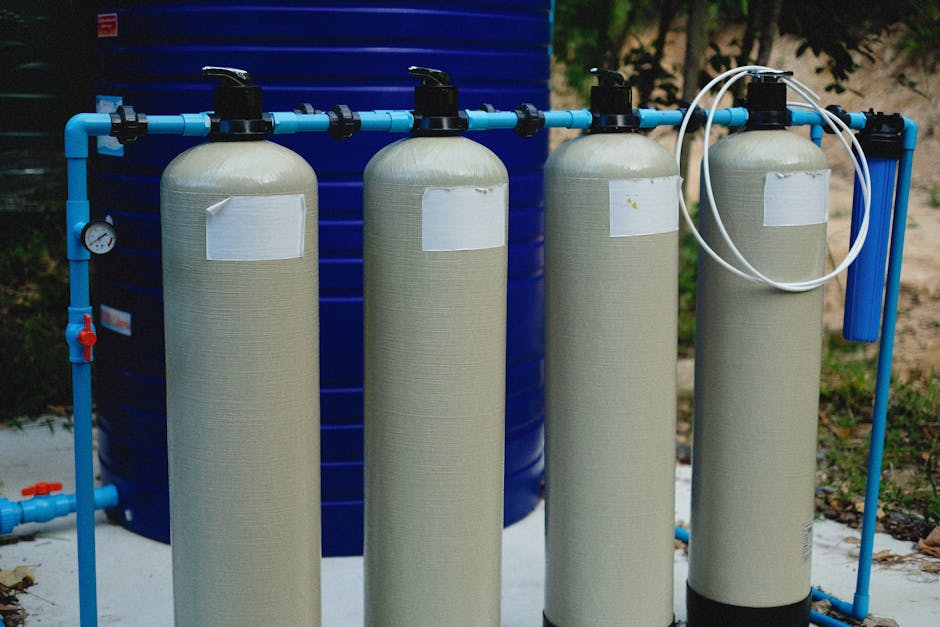
For those who have more extensive gardening needs, larger water storage tanks can be an excellent option. These tanks can hold thousands of gallons and can be used to supply water not just for gardens but also for other household needs.
- Pros:
- Very high capacity for extensive gardens.
- Customizable for specific needs.
- Cons:
- Higher cost and maintenance requirements.
- Requires more space.
Choosing the Right Method
When deciding how to store rainwater, consider the following factors:
- Garden Size: Larger gardens may need cisterns or water storage tanks, while smaller gardens can often get by with rain barrels.
- Budget: Determine how much you are willing to spend on your rainwater harvesting system.
- Space: Ensure you have enough space for the storage solution you choose.
Installation Tips
Once you have chosen your rainwater storage solution, here are some tips for installation:
- Ensure your rain barrel or cistern is made from food-grade materials to avoid contaminating your water.
- Position barrels under downspouts to collect maximum runoff during rain.
- Consider adding a first flush diverter to keep debris out of your water supply.
Using Stored Rainwater in Your Garden
Once you have your rainwater stored, it’s essential to use it effectively:
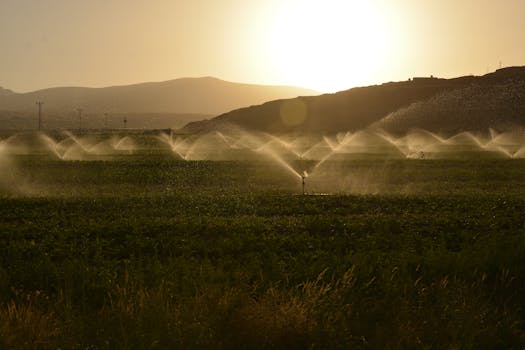
- Use a drip irrigation system to maximize efficiency.
- Water early in the morning or late in the evening to reduce evaporation.
- Monitor your plants' water needs and adjust as necessary.
For more detailed plans and guidance, consider checking out Ted Water System, which offers comprehensive resources for setting up an effective rainwater harvesting system.
Conclusion
Storing rainwater is an excellent way to promote sustainability in your gardening practices. By selecting the right tools and methods, you can set up an efficient system that not only saves water but also supports the health of your plants. Whether you choose rain barrels, cisterns, or larger storage tanks, the key is to find the solution that best fits your gardening needs.
FAQ Section
1. Can I use rainwater for all my garden plants?
Yes, rainwater is suitable for most garden plants as it is soft and free of chemicals found in tap water. However, always check for contaminants if you're using a collection system directly.
2. How much rainwater can I realistically collect?
The amount of rainwater you can collect depends on the size of your roof and the capacity of your storage system. On average, one inch of rain on a 1,000-square-foot roof can yield about 600 gallons of water.
3. Do I need a permit to install a rainwater harvesting system?
It depends on local regulations. Some areas have specific guidelines for rainwater harvesting, so it’s best to check with your local authorities before installation.
📚 Related Articles
🔨 Want 16,000+ Water System Plans?
Get instant access to step-by-step plans with blueprints and cut lists.
Get Instant Access →