Introduction
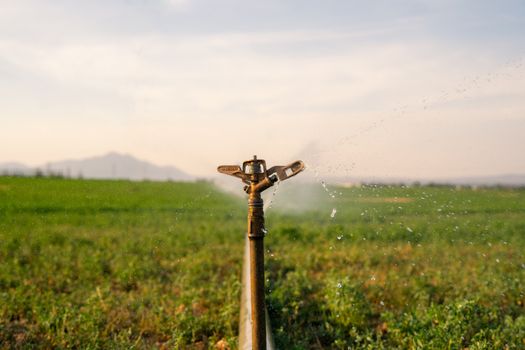
As the world embraces technology, agricultural practices are evolving too. The integration of smart water systems with traditional irrigation methods is becoming increasingly popular. However, this blend can lead to confusion and mistakes if not approached correctly. In this article, we will explore how to integrate these systems effectively, highlight common mistakes to avoid, and provide troubleshooting tips to ensure a seamless experience.
Understanding Smart Water Systems
Smart water systems utilize technology to manage water use efficiently. These systems often include:
- Soil moisture sensors
- Automated irrigation controllers
- Weather data integration
- Remote monitoring capabilities
Integrating these systems with traditional irrigation methods, such as drip or sprinkler systems, can optimize water usage, leading to healthier plants and lower bills.
Benefits of Integration
- Water Efficiency: Smart systems can reduce water waste by ensuring that irrigation only occurs when necessary.
- Cost Savings: Lower water bills and reduced labor costs can be achieved through automation.
- Improved Plant Health: By delivering the right amount of water at the right time, plants thrive better.
- Data-Driven Decisions: Access to data allows for better decision-making regarding irrigation schedules and methods.
Common Mistakes to Avoid
While integrating smart water systems with traditional methods offers numerous benefits, several common mistakes can hinder the process:
1. Neglecting System Compatibility
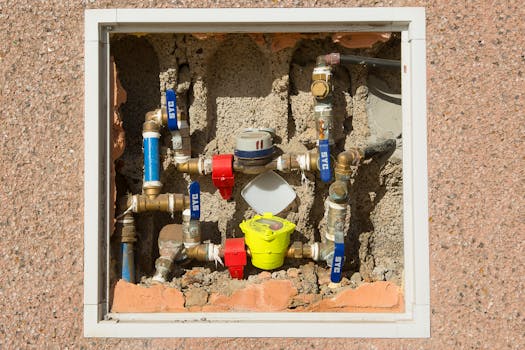
Before integrating smart systems, ensure that your traditional irrigation setup is compatible. Mismatched components can lead to inefficiencies and system failures.
2. Overlooking Water Needs
Every plant has unique water requirements. Failing to adjust your smart system to accommodate these needs can result in overwatering or underwatering.
3. Ignoring Local Climate Conditions
Not considering local weather patterns can lead to unnecessary irrigation. Smart systems often rely on weather data, but they may need your input for regional specifics.
Troubleshooting Tips and Fixes
If you encounter issues while integrating smart water systems with traditional ones, here are some troubleshooting tips:
1. Compatibility Issues
- Check manufacturer specifications to ensure all parts are compatible.
- Consult with a professional if unsure about the compatibility of your systems.
2. Incorrect Watering Schedules
- Regularly monitor your plants and adjust the watering schedule based on their needs.
- Use soil moisture sensors to determine if your current settings are adequate.
3. Sensor Connectivity Problems
- Ensure that all sensors are correctly installed and powered.
- Check the app or software settings to confirm that your sensors are communicating with the smart system.
Using Ted Water System as a Resource
To aid in your integration process, consider utilizing resources like the Ted Water System. This platform offers comprehensive plans and guidance on blending smart and traditional irrigation methods effectively.
Conclusion
Integrating smart water systems with traditional irrigation methods can significantly enhance water efficiency and plant health. By being mindful of compatibility, water needs, and local climate conditions, you can avoid common pitfalls. With the right approach and resources, your irrigation setup can thrive in this modern technological age.
FAQ
1. Can I use smart water systems with any type of traditional irrigation method?
Generally, yes, but compatibility should always be verified. Some traditional systems may require specific smart components.
2. How can I ensure my smart system is set up correctly?
Review installation manuals, consult professionals if necessary, and regularly monitor system performance to ensure correct setup.
3. What are the signs that my irrigation system needs adjustment?
Signs include wilting plants, yellowing leaves, or overly wet soil. Regularly check these indicators to maintain optimal plant health.
📚 Related Articles
🔨 Want 16,000+ Water System Plans?
Get instant access to step-by-step plans with blueprints and cut lists.
Get Instant Access →