Introduction
As the world increasingly faces water scarcity issues, effective rainwater management and conservation have become essential. Leveraging technology can significantly enhance the efficiency of rainwater harvesting systems, ensuring that every drop counts. In this article, we will review specific tools that can help you optimize your rainwater management strategies.
Smart Rainwater Harvesting Systems
Modern smart rainwater harvesting systems integrate technology to automate and optimize water collection. These systems can vary in complexity, but they typically include sensors, smart controllers, and mobile apps.
1. Smart Controllers
- Pros: Automates the collection process based on weather forecasts and rainfall patterns.
- Cons: Higher upfront cost compared to manual systems.
Smart controllers analyze weather data and adjust the operation of pumps and valves accordingly. For instance, systems like the RainMachine allow users to set schedules based on upcoming rainfall, optimizing the collection process.
2. Rainfall Sensors
- Pros: Increases efficiency by preventing unnecessary water collection during heavy rains.
- Cons: May require calibration to ensure accuracy.
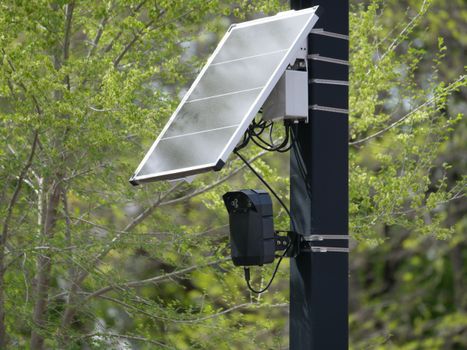
Devices like the Hunter Rain-Clik sensor can detect rainfall and communicate with your irrigation system to pause watering when rain is detected. This not only conserves water but also helps prevent runoff and erosion.
Water Quality Monitoring Tools
Monitoring the quality of harvested rainwater is crucial for ensuring it is safe for use, especially if you plan to use it for irrigation or potable purposes. Technology has made this easier with various water quality monitoring tools.
3. Water Quality Test Kits
- Pros: Provides quick results on various contaminants.
- Cons: Some tests may require laboratory analysis for more detailed results.
Using kits like the WaterSafe Well Water Test Kit can help you monitor parameters such as pH, bacteria, and heavy metals, ensuring your rainwater is safe for its intended use.
Data Management and Analytics Tools
Understanding how much rainwater you are collecting and how you are using it can help in optimizing your system. Data management tools can provide valuable insights.
4. Rainwater Management Software
- Pros: Offers detailed analytics on water usage and collection efficiency.
- Cons: Requires a learning curve to utilize effectively.
Software like RainLogger can help you track your rainwater harvesting system's performance over time. It collects data from your sensors, providing insights that can help you make informed decisions about water use and conservation strategies.
Integration with Smart Home Systems
Integrating rainwater harvesting systems with your smart home technology can further enhance efficiency. This allows for seamless management of water resources.
5. Smart Home Integration Tools
- Pros: Centralizes control of your home’s water management.
- Cons: Compatibility issues may arise with different brands.
Platforms like Home Assistant can connect various smart devices in your home, including rainwater harvesting systems. This integration allows for real-time monitoring and automated adjustments based on your home’s water needs.
Conclusion
Implementing technology in your rainwater harvesting system can lead to improved efficiency, better water quality monitoring, and effective conservation. Utilizing tools like smart controllers, rainfall sensors, and data management software can help optimize your rainwater management practices. For those looking to take their systems to the next level, resources like Ted Water System offer comprehensive plans to enhance your rain harvesting setup.
FAQs
1. What is the best way to collect rainwater?
The best way to collect rainwater is by using a combination of a proper catchment surface, storage tanks, and filtration systems. Smart controllers and sensors can further enhance the efficiency of the collection process.
2. How often should I test my rainwater quality?
It is advisable to test your rainwater quality at least once a season, or more frequently if you notice any changes in color, smell, or sediment.
3. Can I use harvested rainwater for drinking?
Yes, harvested rainwater can be used for drinking if properly filtered and treated. It is essential to test for contaminants to ensure safety.
📚 Related Articles
🔨 Want 16,000+ Water System Plans?
Get instant access to step-by-step plans with blueprints and cut lists.
Get Instant Access →