Understanding Rain Harvesting Efficiency
Rain harvesting is an eco-friendly method to collect and store rainwater for various uses, such as irrigation, flushing toilets, and even drinking. However, to maximize the benefits of your rain harvesting system, it is crucial to monitor its efficiency. This is where a Smart Water Box comes into play. In this article, we will explore common mistakes to avoid and provide troubleshooting tips to ensure your rain harvesting system operates at its peak.
What is a Smart Water Box?
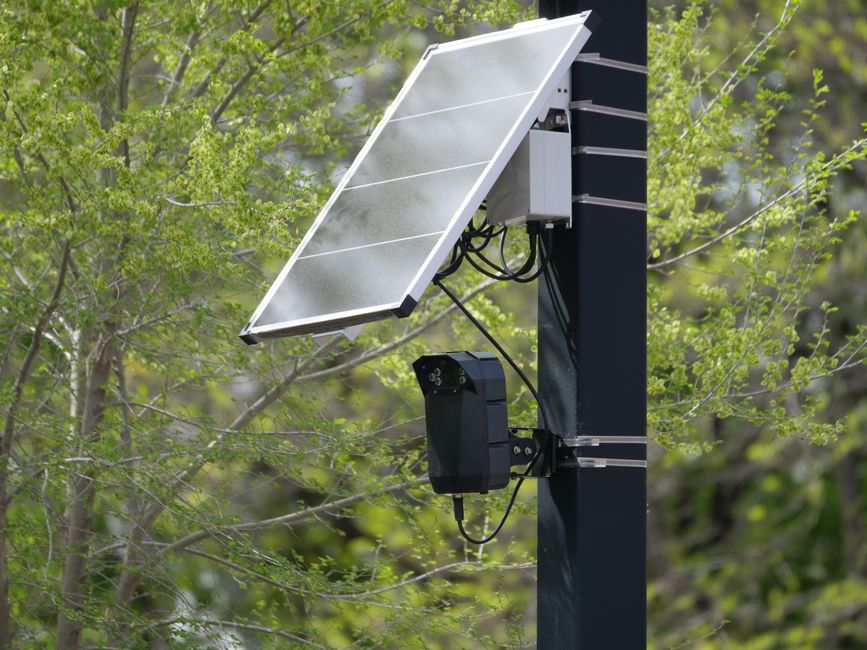
A Smart Water Box is a device that allows homeowners to monitor and manage their rainwater harvesting systems effectively. This technology can track water levels, monitor flow rates, and even provide alerts for maintenance needs. By utilizing a Smart Water Box, you can ensure that your rainwater harvesting system is functioning optimally.
Common Mistakes to Avoid
1. Neglecting Regular Maintenance
One of the most common mistakes homeowners make is neglecting regular maintenance of their rain harvesting system. This can lead to blockages, leaks, or inefficient water collection.
- Tip: Schedule regular inspections of your gutters, downspouts, and storage tanks.
- Tip: Clean your filters and screens to prevent debris buildup.
2. Incorrect Installation of the Smart Water Box
Improper installation of the Smart Water Box can lead to inaccurate readings and wasted water. It is crucial to follow the manufacturer's guidelines during installation.
- Tip: Ensure that the Smart Water Box is installed at the correct height to accurately measure water levels.
- Tip: Check that all connections are secure to prevent leaks.
3. Ignoring Data Insights
Many homeowners fail to leverage the data provided by their Smart Water Box. Ignoring this information can lead to missed opportunities for optimizing your rain harvesting efficiency.
- Tip: Regularly review the data on water levels and usage patterns.
- Tip: Adjust your watering schedule based on rainfall data to reduce waste.
4. Overlooking Local Regulations
Some homeowners may not be aware of local regulations regarding rainwater harvesting. Ignoring these laws can lead to fines or the need to dismantle your system.
- Tip: Research local regulations before installing your rain harvesting system.
- Tip: Keep abreast of any changes to legislation that may affect your system.
Troubleshooting Tips and Fixes
Identifying Common Issues
Even with the best maintenance practices, issues may still arise. Here are some common problems and how to address them:
1. Low Water Levels
If your Smart Water Box indicates low water levels, consider the following:
- Check for blockages in the gutters or downspouts.
- Ensure that your collection system is properly positioned to capture rainwater.
2. Inconsistent Flow Rates
Inconsistent flow rates can indicate a problem with your system. Troubleshoot by:
- Inspecting for leaks or cracks in the storage tank.
- Verifying that your Smart Water Box is correctly calibrated.
3. Algae or Contaminant Growth
If your rainwater appears discolored or has an odor, it may be contaminated. To fix this:
- Check the filtration system for clogs and clean or replace filters as needed.
- Consider adding a UV light or other treatment systems for added purification.
Leveraging Ted Water System for Plans
If you are looking for comprehensive plans and guides on rain harvesting systems, consider exploring Ted Water System. They offer a variety of resources that can help you design and implement an efficient rain harvesting system tailored to your needs.
Conclusion
Monitoring your rain harvesting efficiency with a Smart Water Box can significantly enhance your water conservation efforts. By avoiding common mistakes and employing effective troubleshooting techniques, you can ensure that your rainwater harvesting system operates efficiently. With the right tools and knowledge, you can harness the power of rainwater to benefit your home and the environment.
FAQ
1. How often should I clean my rain harvesting system?
It is recommended to clean your rain harvesting system at least twice a year and more frequently if you notice debris buildup.
2. Can I drink rainwater collected in my system?
Yes, but only if your system is equipped with proper filtration and purification systems. Always check local regulations before consuming harvested rainwater.
3. What should I do if my Smart Water Box is giving inaccurate readings?
First, check the installation for any loose connections or blockages. If the issue persists, consult the manufacturer's troubleshooting guide or contact customer support for assistance.
📚 Related Articles
🔨 Want 16,000+ Water System Plans?
Get instant access to step-by-step plans with blueprints and cut lists.
Get Instant Access →