Introduction
Rainwater harvesting is an eco-friendly practice that can significantly reduce your water usage and lower your utility bills. By capturing and storing rainwater, you can provide a sustainable water source for irrigation and other non-potable uses. However, to maximize the efficiency of your rainwater harvesting system, you need the right tools and equipment. One such tool is the Smart Water Box, which enhances your rainwater management capabilities.
What is the Smart Water Box?
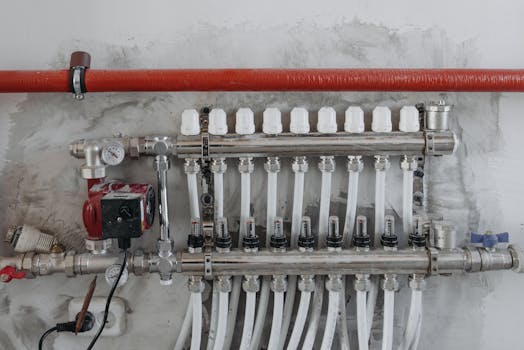
The Smart Water Box is an innovative device designed to optimize rainwater collection and distribution. It automates the process of capturing, filtering, and storing rainwater, making it easier for DIY enthusiasts to set up an efficient irrigation system. This tool is especially useful for gardeners, landscape designers, and anyone looking to make the most out of their rainwater collection efforts.
Key Features of the Smart Water Box
- Automated Operation: The Smart Water Box automatically opens and closes valves based on the water level, ensuring optimal use of collected rainwater.
- Advanced Filtration: It includes a high-capacity filter that removes debris and contaminants, providing clean water for irrigation.
- Smart Monitoring: The device features sensors that monitor water levels and quality, allowing for real-time updates.
- Easy Integration: It can be easily connected to existing irrigation systems, making it a versatile addition to your garden.
Pros and Cons of the Smart Water Box
Pros
- Efficiency: The automation and smart features increase the efficiency of your rainwater harvesting, leading to better water conservation.
- Convenience: Less manual work is required, making it easier to maintain your irrigation system.
- Long-Term Savings: By using rainwater for irrigation, you can reduce your water bills in the long run.
- Environmentally Friendly: Utilizing rainwater helps reduce the demand on municipal water sources, making it a sustainable choice.
Cons
- Initial Cost: The Smart Water Box can be more expensive than traditional rainwater harvesting systems.
- Installation Complexity: Some users may find the setup process challenging, particularly if they are not familiar with irrigation systems.
- Maintenance Needs: While the device is designed for convenience, it may still require regular maintenance to ensure optimal performance.
Tools Needed for Rainwater Harvesting with the Smart Water Box
To get the most out of your Smart Water Box, you will need a few additional tools and equipment. Here are some recommendations:
- Rain Barrel: Invest in a quality rain barrel to store collected rainwater. Look for one that is UV-resistant and has a good filtration system.
- Downspout Diverter: This tool helps direct rainwater from your gutter system into the rain barrel or Smart Water Box, maximizing collection.
- Garden Hose: A flexible, durable garden hose will help in distributing the harvested rainwater to your plants effectively.
- Soil Moisture Sensor: This device can help you monitor the moisture levels in your garden, ensuring you use the right amount of water for irrigation.
- Drip Irrigation System: This system delivers water directly to the roots of your plants, promoting efficient water use and minimizing waste.
Tips for Maximizing Rainwater Harvesting Efficiency
To further enhance the efficiency of your rainwater harvesting system with the Smart Water Box, consider these practical tips:
- Proper Placement: Position your rain barrel and Smart Water Box in an area that receives maximum rainfall and is easily accessible for maintenance.
- Regular Maintenance: Keep your gutters and downspouts clean to ensure optimal water flow into your collection system.
- Monitor Weather Patterns: Be aware of local weather patterns to know when to expect rain, allowing you to plan your irrigation accordingly.
- Use Mulch: Applying mulch around your plants can help retain moisture, reducing the need for frequent watering.
Conclusion
The Smart Water Box is a fantastic tool for anyone looking to maximize the efficiency of their rainwater harvesting system. By automating the collection and distribution of rainwater, it simplifies the process and helps you conserve water effectively. When combined with other essential tools and strategies, you can create a sustainable irrigation system that benefits both your garden and the environment.
For more detailed plans and resources on setting up your rainwater harvesting system, consider visiting Ted Water System. They offer a variety of plans that can guide you through the process and help you achieve your gardening goals.
FAQs
- Q: How much rainwater can I realistically collect with a Smart Water Box?
A: The amount of rainwater you can collect depends on the size of your roof and the rainfall in your area. Generally, a square foot of roof can yield about 0.6 gallons of water for every inch of rain. - Q: Is the Smart Water Box suitable for all types of irrigation systems?
A: Yes, the Smart Water Box can be integrated with most existing irrigation systems, including drip irrigation and soaker hoses. - Q: How often should I clean the Smart Water Box?
A: Regular maintenance is essential. Clean the filter and check for debris at least twice a year, or more frequently if you live in an area with heavy rainfall or foliage.
📚 Related Articles
🔨 Want 16,000+ Water System Plans?
Get instant access to step-by-step plans with blueprints and cut lists.
Get Instant Access →