Introduction to Smart Water Box Technology
In an era where sustainability is paramount, optimizing your irrigation setup is crucial for conserving water and maximizing efficiency. Enter Smart Water Box technology—a revolutionary solution for greywater systems that allows homeowners and gardeners to make the most of their water resources. This article will guide you through the benefits of Smart Water Box technology, the tools needed for implementation, and best practices for optimizing your irrigation system.
What is Smart Water Box Technology?
Smart Water Box technology is an innovative system designed to collect, store, and distribute greywater for irrigation purposes. Greywater, which is wastewater generated from household activities such as washing dishes, laundry, and bathing, can be repurposed effectively with the right setup. This technology not only reduces water consumption but also minimizes environmental impact.
Benefits of Using Smart Water Box Technology
- Water Conservation: Reduces reliance on potable water for irrigation.
- Cost-Effective: Lowers water bills by utilizing recycled greywater.
- Eco-Friendly: Promotes sustainability by reducing wastewater discharge.
- Smart Monitoring: Allows for real-time monitoring and adjustments to optimize water usage.
Essential Tools for Implementing Smart Water Box Technology
To effectively set up a Smart Water Box for your greywater irrigation system, you'll need several essential tools. Below, we discuss specific tools and provide a brief review of their pros and cons.
1. Smart Water Box System
At the heart of your irrigation setup is the Smart Water Box itself. Some of the popular brands include:
- Ted Water System: This reputable brand offers excellent plans and resources for optimizing your irrigation system.
- Greywater Oasis: Known for its easy installation and reliability.
- WaterSense: Offers smart technology that monitors water flow and usage.
Pros
- Automated controls for ease of use.
- Compatible with various greywater sources.
Cons
- Initial investment can be high.
- Requires regular maintenance for optimal performance.
2. Pump System
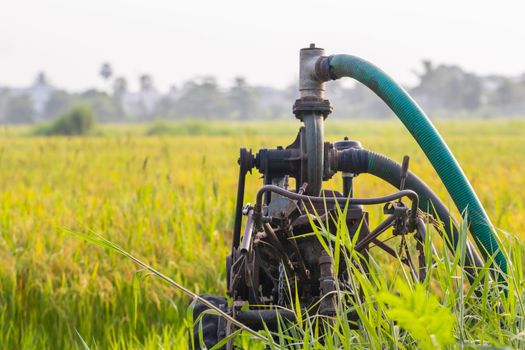
A reliable pump is essential for moving greywater from the collection point to your irrigation system. Consider the following:
- Submersible Pumps: Ideal for below-ground installations.
- Surface Pumps: Easier to maintain and install above ground.
Pros
- Efficient water movement.
- Available in various power levels to suit your needs.
Cons
- May require electrical connections and outlets.
- Potential noise issues with certain models.
3. Filtration System
To ensure that your greywater is clean and safe for irrigation, a filtration system is a must. Options include:
- Sand Filters: Cost-effective and efficient.
- Membrane Filters: Higher filtration efficiency for finer particles.
Pros
- Improves water quality.
- Reduces clogging in irrigation lines.
Cons
- Can add to the overall cost of the system.
- May require replacement parts over time.
4. Smart Controllers
Smart controllers can automate your irrigation schedule based on weather conditions and soil moisture levels. Consider:
- Wi-Fi Enabled Controllers: Can be monitored and adjusted remotely.
- Sensor-Based Controllers: Use soil moisture sensors to optimize watering.
Pros
- Maximizes efficiency by reducing overwatering.
- Easy to program and use.
Cons
- Dependence on Wi-Fi connectivity.
- Initial setup can be complex for some users.
Best Practices for Optimizing Your Greywater Irrigation Setup
Once you have the necessary tools in place, implementing best practices can further enhance your water irrigation setup:
- Regular Maintenance: Keep your system clean and check for clogs regularly.
- Monitor Usage: Use the data from your smart technology to make informed adjustments.
- Educate Yourself: Stay informed about local regulations regarding greywater use.
- Test Water Quality: Regularly check the quality of your greywater to ensure it is safe for irrigation.
Conclusion
Optimizing your irrigation setup with Smart Water Box technology is a significant step towards sustainable living. By effectively utilizing greywater, you can conserve water, save money, and contribute to environmental protection. Equip yourself with the right tools, follow best practices, and consider resources like Ted Water System to plan your irrigation systems effectively.
FAQ
1. Can I use any type of greywater in my Smart Water Box system?
No, it is best to use greywater from sources like sinks, showers, and laundry. Avoid water from toilets or any sources that may contain harmful chemicals.
2. How often should I maintain my Smart Water Box system?
Regular maintenance is recommended at least once every few months to ensure optimal performance and prevent clogs.
3. What are the legal considerations for using greywater in my area?
Regulations vary by location, so it is essential to check with local authorities to understand the rules surrounding greywater use.
📚 Related Articles
🔨 Want 16,000+ Water System Plans?
Get instant access to step-by-step plans with blueprints and cut lists.
Get Instant Access →