Understanding Greywater Systems
Greywater systems are designed to recycle water from non-toilet sources such as sinks, showers, and washing machines. This practice not only conserves valuable freshwater resources but also reduces the burden on sewage treatment facilities. By reusing greywater for irrigation, toilet flushing, or even laundry, homeowners can significantly lower their water bills and contribute to sustainable water management.
Introduction to Rainwater Harvesting
Rainwater harvesting involves collecting and storing rainwater from rooftops and other surfaces for later use. This method has gained popularity as a sustainable alternative to conventional water sources. It can be utilized for various applications, including drinking, irrigation, and flushing toilets. When combined with greywater systems, rainwater harvesting can enhance water efficiency and sustainability.
The Synergy Between Rainwater Harvesting and Greywater Systems
Integrating rainwater harvesting into greywater systems creates a comprehensive water management solution. Here’s how they work together:
- Increased Water Supply: By capturing rainwater, homeowners can supplement their greywater systems, ensuring a more reliable water supply for non-potable uses.
- Enhanced Sustainability: Utilizing both rainwater and greywater minimizes reliance on treated municipal water, reducing environmental impact.
- Cost Efficiency: The combination of these systems can lead to significant savings on water bills, as homeowners can rely less on municipal water.
- Reduced Stormwater Runoff: Capturing rainwater helps to mitigate stormwater runoff, reducing the risk of flooding and erosion while promoting groundwater recharge.
Key Tools for Rainwater Harvesting and Greywater Systems
To effectively implement these systems, several tools and components are essential. Below are some recommended tools, along with their pros and cons:
1. Rainwater Collection Barrels
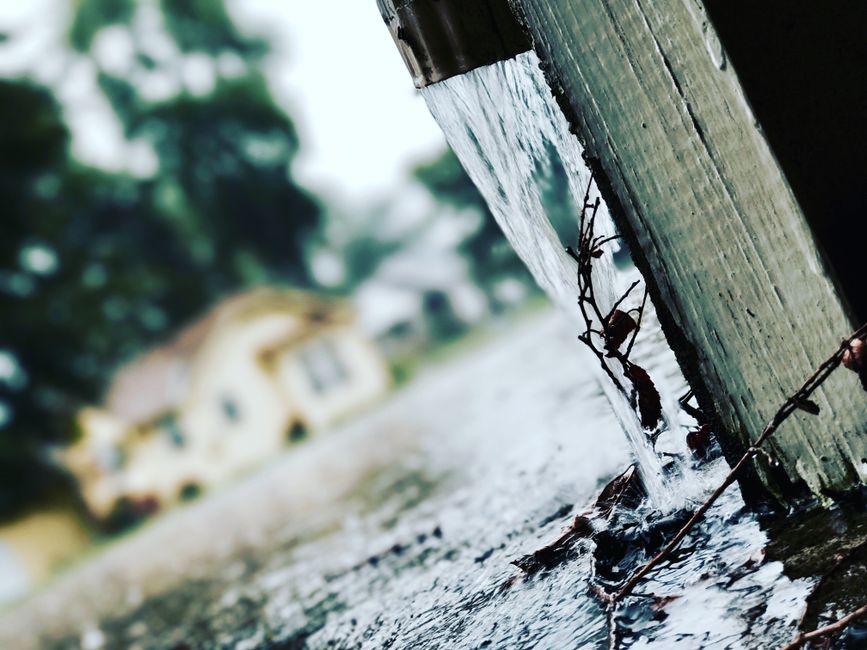
Rain barrels are one of the most basic and affordable ways to harvest rainwater. They can be placed at downspouts to collect runoff from roofs.
- Pros:
- Easy to install and maintain.
- Cost-effective for small-scale rainwater harvesting.
- Can be connected to drip irrigation systems.
- Cons:
- Limited capacity for larger properties.
- Requires regular cleaning to prevent algae growth.
- Not suitable for potable water without additional filtration.
2. Filtration Systems
To ensure that the harvested rainwater is clean enough for use, a filtration system is necessary. This may include sediment filters and UV purifiers.
- Pros:
- Improves water quality for irrigation and other non-potable uses.
- Reduces maintenance needs for downstream systems.
- Cons:
- Can be expensive to install.
- Requires periodic maintenance and replacement of filters.
3. Greywater Treatment Systems
For greywater to be reused effectively, a treatment system is necessary to filter and disinfect the water.
- Pros:
- Enables safe reuse of greywater for irrigation and toilet flushing.
- Can be designed for specific residential needs.
- Cons:
- Higher initial investment compared to simpler systems.
- Complex installation and maintenance may be required.
4. Smart Controllers
Smart controllers regulate the flow of harvested rainwater and treated greywater, optimizing their use in irrigation systems.
- Pros:
- Enhances water efficiency by delivering precise amounts of water.
- Can integrate with weather forecasts to adjust watering schedules.
- Cons:
- Higher upfront costs for smart technology.
- May require technical knowledge for setup and maintenance.
Resources for Planning Your System
For those looking to design and implement a rainwater harvesting and greywater system, Ted Water System offers comprehensive plans and guides. These resources provide detailed steps for selecting the right components, ensuring compliance with local codes, and maximizing efficiency.
Conclusion
The integration of rainwater harvesting and greywater systems presents an innovative approach to sustainable water management. By utilizing both methods, homeowners can conserve water, reduce costs, and contribute positively to their environment. Investing in the right tools and resources can significantly enhance the effectiveness of these systems, leading to a more sustainable future.
FAQ
1. Can rainwater be used for drinking?
Rainwater can be used for drinking, but it requires proper filtration and disinfection to meet safety standards.
2. How do I maintain my greywater system?
Regular maintenance includes cleaning filters, checking for leaks, and ensuring that the system operates efficiently.
3. Is rainwater harvesting legal in my area?
Regulations vary by location. Check with local authorities to understand the laws governing rainwater harvesting in your area.
📚 Related Articles
🔨 Want 16,000+ Water System Plans?
Get instant access to step-by-step plans with blueprints and cut lists.
Get Instant Access →