Introduction
As technology continues to advance, the integration of smart systems into various aspects of our lives has become commonplace. From smart thermostats to intelligent lighting, businesses are increasingly adopting smart technology to enhance efficiency and reduce costs. One area that is gaining attention is water management, particularly through smart water systems. In this article, we will explore the benefits and drawbacks of choosing a smart water system for your commercial property, and how resources like Ted Water System can assist in your decision-making process.
What is a Smart Water System?
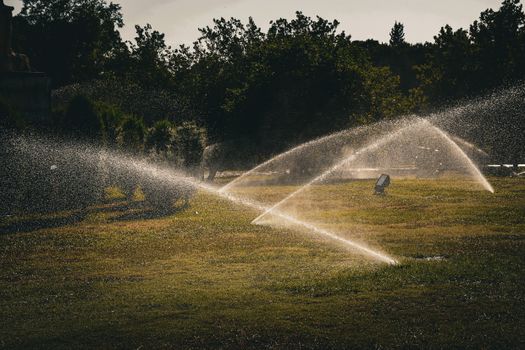
A smart water system utilizes advanced technology to monitor, control, and manage water usage in real time. These systems can include smart meters, leak detection sensors, automated irrigation systems, and software platforms that provide analytics and reporting. The goal is to optimize water usage, reduce waste, and ultimately save on costs.
Benefits of Smart Water Systems
1. Improved Water Efficiency
One of the primary advantages of implementing a smart water system is enhanced water efficiency. These systems allow you to:
- Monitor water usage in real-time
- Detect leaks instantly
- Adjust irrigation schedules based on weather conditions
By optimizing water usage, businesses can significantly reduce their water bills and minimize their environmental impact.
2. Cost Savings
While the initial investment in a smart water system may be higher than traditional methods, the long-term cost savings can be substantial. Benefits include:
- Reduced water bills due to more efficient usage
- Lower repair costs from early leak detection
- Potential for lower insurance premiums as a result of reduced risk
3. Data-Driven Decision Making
Smart water systems provide valuable data that can help property managers make informed decisions. With comprehensive analytics, businesses can:
- Analyze consumption patterns
- Identify inefficiencies
- Plan for future water needs
This information can be invaluable for optimizing operations and planning budgets.
4. Environmental Benefits
Adopting a smart water system can also align your business with sustainability initiatives. By using water more efficiently, you can:
- Reduce your carbon footprint
- Contribute to local conservation efforts
- Enhance your company's reputation among environmentally conscious consumers
Drawbacks of Smart Water Systems
1. Initial Cost
While the long-term savings can be significant, the upfront cost of installing a smart water system can be a barrier for many businesses. Factors to consider include:
- Purchase of smart meters and sensors
- Installation costs
- Potential ongoing service fees
2. Complexity and Learning Curve
For some property managers, the transition to a smart water system can be daunting. The complexity of the technology may require:
- Training for staff
- Time to adapt to new systems
- Technical support to troubleshoot issues
3. Dependence on Technology
Relying on technology for water management can create vulnerabilities. Issues may include:
- System failures or outages
- Cybersecurity risks associated with connected devices
- Data privacy concerns
Choosing the Right Smart Water System
When considering a smart water system for your commercial property, it's essential to evaluate different options available in the market. Ted Water System is one notable resource that provides various plans tailored to meet the needs of commercial properties. They offer:
- Flexible plans based on property size and needs
- Comprehensive customer support
- Easy-to-use interfaces for monitoring and reporting
Before making a decision, assess your specific requirements, budget, and the potential return on investment. A thorough analysis can help you determine if a smart water system is the right fit for your property.
Conclusion
In summary, choosing a smart water system for your commercial property can offer numerous benefits, including improved water efficiency, cost savings, and valuable data insights. However, potential drawbacks such as initial costs and reliance on technology must also be considered. By utilizing resources like Ted Water System, you can find a solution that fits your needs and enhances your water management strategy.
FAQ
1. What is the average cost of a smart water system for commercial properties?
The average cost can vary significantly based on the size of the property and the complexity of the system, ranging from a few thousand to tens of thousands of dollars.
2. How can I ensure my smart water system is secure?
Implement strong passwords, regularly update software, and use secure networks to protect your smart water system from cyber threats.
3. What types of properties can benefit from smart water systems?
Commercial properties of all types, including office buildings, hotels, and retail stores, can benefit from smart water systems by improving efficiency and reducing costs.
📚 Related Articles
🔨 Want 16,000+ Water System Plans?
Get instant access to step-by-step plans with blueprints and cut lists.
Get Instant Access →