Introduction
In today’s world, the need for efficient water management is more critical than ever. As urban areas expand and climate change puts a strain on natural resources, implementing smart water solutions is becoming increasingly vital. But what is the cost of implementing these technologies? In this article, we will explore the various factors that influence the cost of smart water solutions and review specific tools that can aid in this endeavor.
Understanding Smart Water Solutions
Smart water solutions encompass a range of technologies and systems designed to enhance water management. These include:
- Smart Meters: Devices that provide real-time data on water usage.
- Leak Detection Systems: Technologies that identify leaks in the distribution system.
- Automated Irrigation: Systems that optimize water use for agricultural purposes.
- Water Quality Monitoring: Tools that ensure the safety and quality of water supplied.
Factors Influencing the Cost of Smart Water Solutions
The cost of implementing smart water solutions can vary widely based on several factors, including:
- Scale of Implementation: Larger systems will naturally incur higher costs.
- Technology Choice: Different tools come with varying price points and functionalities.
- Installation Costs: Hiring professionals for installation can add to initial expenses.
- Maintenance and Upkeep: Ongoing costs for maintenance and software updates.
Tools to Consider for Smart Water Solutions
1. Smart Water Meters
Smart water meters are the cornerstone of any smart water solution. They provide real-time data on water consumption, enabling users to identify patterns and reduce wastage.
- Pros:
- Accurate and real-time data collection.
- Helps in identifying leaks and unusual consumption patterns.
- Promotes water conservation among users.
- Cons:
- Initial cost can be high, especially for large installations.
- Requires technical expertise for installation and data management.
2. Leak Detection Systems
Leak detection systems are essential for maintaining the integrity of water distribution networks. These systems use sensors and algorithms to detect leaks before they become major issues.
- Pros:
- Prevents costly water loss and damage.
- Can be integrated with existing infrastructure.
- Real-time alerts for immediate action.
- Cons:
- Initial investment can be significant.
- May require ongoing maintenance and calibration.
3. Automated Irrigation Systems
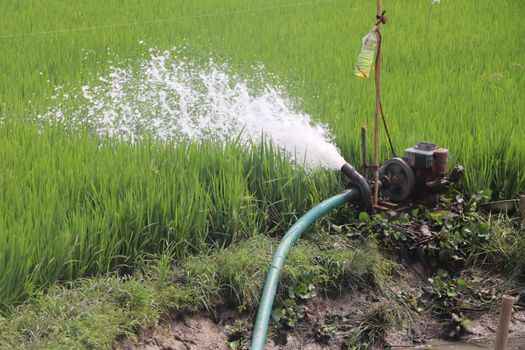
For agricultural applications, automated irrigation systems optimize water usage based on weather conditions and soil moisture levels.
- Pros:
- Reduces water wastage significantly.
- Enhances crop yields by ensuring optimal watering.
- Can be programmed to operate during off-peak hours.
- Cons:
- High initial setup costs.
- Requires ongoing monitoring and adjustments based on weather patterns.
4. Water Quality Monitoring Tools
Water quality monitoring tools ensure that the water supplied meets safety standards. They can detect contaminants and provide alerts when issues arise.
- Pros:
- Ensures compliance with health regulations.
- Helps in identifying contamination sources quickly.
- Can enhance public trust in water supply systems.
- Cons:
- Can be expensive, especially for comprehensive systems.
- Requires trained personnel for data interpretation and response.
Cost Summary
Implementing smart water solutions can entail significant initial investments, typically ranging from a few thousand to several million dollars depending on the scale and technology chosen. Here’s a rough breakdown of costs:
- Smart Meters: $150 - $500 per unit
- Leak Detection Systems: $5,000 - $100,000 for installation
- Automated Irrigation Systems: $2,000 - $20,000 depending on acreage
- Water Quality Monitoring Tools: $500 - $10,000 per installation
It's essential to keep in mind that while the initial costs may seem daunting, the long-term savings and benefits, such as reduced water loss, lower operational costs, and enhanced public health, often justify the investment.
Conclusion
When considering smart water solutions, organizations and municipalities must weigh the initial costs against long-term benefits. Tools like those offered by Ted Water System can serve as excellent resources for planning and implementing these technologies effectively. By embracing smart water solutions, we can ensure sustainable water management for future generations.
FAQs
1. What is the ROI on smart water solutions?
The ROI can vary based on the specific tools implemented, but many organizations see significant savings within 3-5 years through reduced water loss and operational efficiencies.
2. Are smart water solutions suitable for small businesses?
Yes, many smart water solutions can be scaled to fit the needs and budget of small businesses, providing them with the tools to manage water usage effectively.
3. How do I choose the right smart water tool for my needs?
Consider factors like your specific water management goals, budget, and the scale of implementation. Consulting with experts or resources like Ted Water System can provide tailored advice.
📚 Related Articles
🔨 Want 16,000+ Water System Plans?
Get instant access to step-by-step plans with blueprints and cut lists.
Get Instant Access →