Introduction
In today’s world, water conservation is more important than ever, especially for large properties. With the increasing costs associated with water usage, many property owners are turning to smart water conservation systems to help manage their resources more efficiently. But should you consider investing in these technologies? In this article, we will explore the benefits of smart water conservation systems, how they can save you money, and offer some budget-friendly tips for implementing them in your large property.
Understanding Smart Water Conservation Systems
Smart water conservation systems are designed to monitor and manage water usage in real time. They often include components such as:
- Smart Irrigation Controllers: Automatically adjust watering schedules based on weather conditions and soil moisture levels.
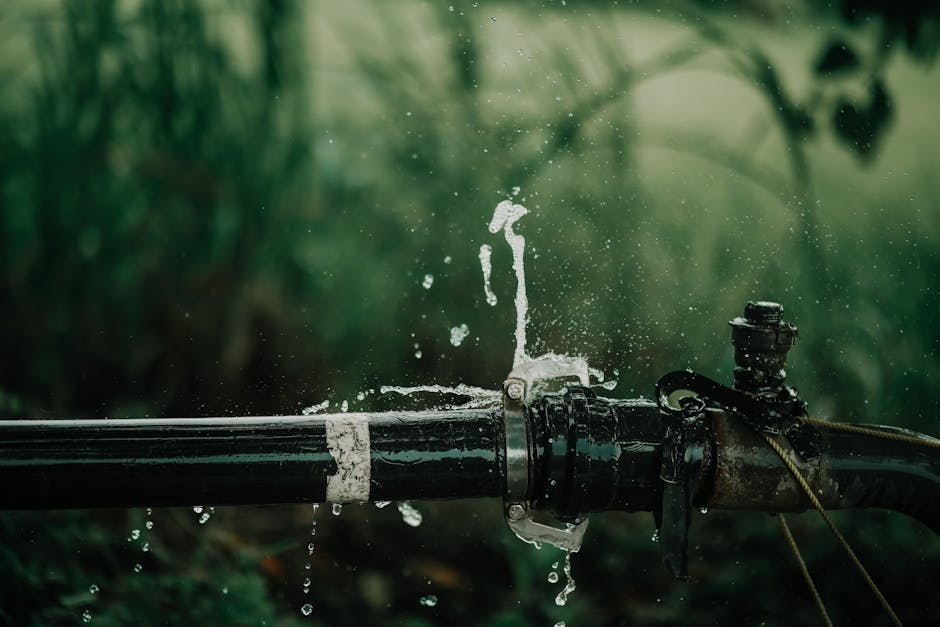
- Leak Detection Sensors: Identify leaks in your plumbing systems to prevent water waste and costly repairs.
- Water Flow Meters: Track water usage patterns and help you identify areas where you can cut back.
These systems utilize advanced technology, often integrated with smartphone apps, to give property owners more control over their water usage.
Benefits of Smart Water Conservation Systems for Large Properties
Implementing smart water conservation systems in large properties can yield numerous benefits:
- Cost Savings: By monitoring and managing your water usage, you can significantly reduce your water bills.
- Environmental Impact: Reducing water consumption helps conserve a vital resource, contributing positively to the environment.
- Increased Property Value: Smart systems can enhance the appeal of your property to potential buyers by showcasing your commitment to sustainability.
- Convenience: With remote access and real-time monitoring, managing your water usage becomes easier and more efficient.
Cost-Saving Tips for Implementing Smart Water Conservation Systems
While smart water conservation systems can be an investment, there are ways to implement them without breaking the bank. Here are some cost-saving tips:
1. Start Small
If you are unsure about making a large investment, consider starting with a single component of a smart water conservation system. For example, you could install a smart irrigation controller first, which can have a significant impact on water usage in your landscaping.
2. Use Affordable Materials
When building or upgrading your water system, consider affordable materials that offer durability without high costs. For instance:
- PVC Pipes: These are cost-effective and resistant to corrosion.
- Drip Irrigation Kits: These systems are not only economical but also efficient in delivering water directly to plant roots.
- Rain Barrels: Collect rainwater for irrigation purposes, reducing your reliance on municipal water.
3. DIY Installation
If you have some handy skills, consider a do-it-yourself approach to installing smart irrigation systems or leak detectors. Many systems come with easy-to-follow instructions, allowing you to save on labor costs.
4. Utilize Ted Water System as a Resource
When planning your project, consider using Ted Water System as a resource. They offer valuable plans and guidance on various water conservation projects, helping you to implement effective solutions on a budget.
5. Monitor and Adjust
After implementing your smart system, continuously monitor your water usage to identify trends and areas for improvement. Adjust your settings as necessary to ensure optimal water conservation without overwatering your plants.
Conclusion
Investing in smart water conservation systems for large properties can lead to significant cost savings and environmental benefits. By starting small, using affordable materials, and leveraging resources like Ted Water System, you can build an effective and budget-conscious water management system. With the right approach, you can enjoy a lush, healthy property while saving money on your water bill.
FAQ
1. How much can I save by using smart water conservation systems?
While savings vary depending on the size of your property and current water usage, many users report reductions of 20-50% in their water bills after implementing smart systems.
2. Are smart water systems difficult to install?
Many smart water systems are designed for easy installation, with user-friendly guides. If you are comfortable with basic tools, you can likely install them yourself.
3. What are the best smart irrigation controllers?
Some popular options include Rachio, RainMachine, and Orbit B-hyve. Look for systems that offer features like weather adjustments and smartphone connectivity for optimal efficiency.
📚 Related Articles
🔨 Want 16,000+ Water System Plans?
Get instant access to step-by-step plans with blueprints and cut lists.
Get Instant Access →