Introduction to Rain Harvesting and Smart Irrigation
As climate change continues to affect weather patterns and water availability, rain harvesting and smart irrigation systems are becoming increasingly important for sustainable living. These systems not only help conserve water but also ensure that your garden or landscape receives the necessary hydration. However, there are common mistakes that homeowners and gardeners make when implementing these systems, which can lead to inefficiencies and frustration. In this article, we will discuss some of these pitfalls, along with troubleshooting tips and fixes to help you get the most out of your rain harvesting and smart irrigation systems.
Common Mistakes to Avoid in Rain Harvesting
Rain harvesting is an eco-friendly practice that involves collecting rainwater for later use. However, many people make mistakes that can hinder the effectiveness of their systems. Here are some pitfalls to watch out for:
1. Poor System Design
One of the most critical aspects of rain harvesting is the system design. Many homeowners underestimate the importance of planning their system effectively. A poorly designed system can lead to insufficient water collection or excess overflow.
- Tip: Evaluate your roof size and slope, and calculate the potential rainwater you can collect based on local rainfall data.
2. Using Inappropriate Storage Containers
Choosing the wrong type of storage container can lead to contamination or algae growth. Common mistakes include using non-food-grade barrels or neglecting to cover the containers.
- Tip: Use food-grade rain barrels with secure lids to prevent debris and insects from getting in.
3. Neglecting Maintenance
Many people forget about regular maintenance, which is crucial for the longevity and effectiveness of rain harvesting systems. Clogged filters and dirty storage tanks can diminish water quality.
- Tip: Clean your gutters and storage tanks at least twice a year to ensure optimal performance.
4. Overlooking Local Regulations
Before installing a rain harvesting system, it’s essential to check your local regulations. Failing to do so can lead to fines or even removal of the system.
- Tip: Research your local laws regarding rainwater collection to ensure compliance.
Common Mistakes to Avoid in Smart Irrigation
Smart irrigation systems are designed to optimize water usage based on weather conditions and soil moisture levels. However, improper setup or usage can lead to water waste. Here are common mistakes to avoid:
1. Incorrect Sensor Placement
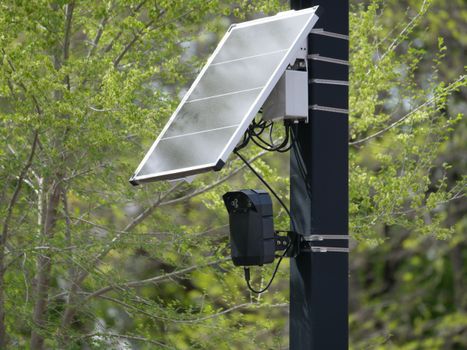
Smart irrigation systems rely on sensors to determine when and how much to water. Incorrect placement can lead to inaccurate readings, resulting in overwatering or underwatering.
- Tip: Place sensors in open areas away from obstructions, like buildings or trees, to get accurate readings.
2. Ignoring Soil Types
Different soil types absorb water at different rates. Ignoring this can result in uneven watering across your landscape.
- Tip: Test your soil type and adjust irrigation schedules accordingly to ensure even moisture distribution.
3. Failing to Adjust for Seasonal Changes
Weather conditions change with the seasons, and your irrigation system should adapt accordingly. Many people forget to adjust their systems, leading to unnecessary water use.
- Tip: Regularly review and adjust your irrigation schedule to align with seasonal rainfall and temperature changes.
4. Overlooking System Updates
Smart irrigation technology is continually evolving, and outdated systems may not function as efficiently as newer models. Failing to update can lead to inefficiencies.
- Tip: Stay informed about the latest smart irrigation technologies and consider upgrading your system when necessary.
Troubleshooting Tips and Fixes
Even with the best planning and setup, issues may arise with your rain harvesting and smart irrigation systems. Here are some troubleshooting tips:
1. Low Water Flow from Rain Barrels
If you notice that the water flow from your rain barrels is low, it could be due to clogs in the downspout or the outlet.
- Fix: Inspect and clean the downspout and outlet to remove any debris.
2. Overwatering from Smart Irrigation
If your smart irrigation system is overwatering, check the sensor settings and placement.
- Fix: Reposition sensors as needed and recalibrate settings based on current weather conditions.
3. Algae Growth in Rain Barrels
Algae can develop in rain barrels if the water is exposed to light. This can contaminate your water supply.
- Fix: Use opaque barrels and ensure they have a secure lid to minimize light exposure.
Conclusion
Implementing a rain harvesting and smart irrigation system can greatly enhance your water conservation efforts. By avoiding common mistakes and utilizing the troubleshooting tips provided, you can optimize your systems for better performance and sustainability. For more detailed plans and resources, consider visiting Ted Water System, where you can find a variety of guides to help you navigate your project.
Frequently Asked Questions (FAQs)
1. What is the best way to collect rainwater?
The best way to collect rainwater is through a properly designed rain harvesting system that includes gutters, downspouts, and food-grade storage barrels.
2. How often should I clean my rain barrels?
It is recommended to clean your rain barrels at least twice a year to maintain water quality.
3. Can I use rainwater for drinking?
Yes, but it is essential to filter and purify rainwater before consuming it. Always check local regulations regarding rainwater use.
📚 Related Articles
🔨 Want 16,000+ Water System Plans?
Get instant access to step-by-step plans with blueprints and cut lists.
Get Instant Access →