Introduction
Rainwater harvesting has become an essential practice in water conservation, allowing homeowners to collect and utilize natural rainfall effectively. The integration of modern technology, such as a Smart Water Box, can enhance this process significantly. However, like any system, there are common mistakes that can hinder efficiency. In this article, we will discuss best practices for utilizing a Smart Water Box for rainwater harvesting, along with troubleshooting tips to help you avoid common pitfalls.
What is a Smart Water Box?
A Smart Water Box is a sophisticated device that collects, stores, and distributes rainwater efficiently. It often comes equipped with sensors and smart technology to monitor water levels, quality, and usage. This not only helps in conserving water but also ensures that you are utilizing it in the most efficient way possible.
Best Practices for Rainwater Harvesting
To make the most of your Smart Water Box, consider the following best practices:
1. Proper System Sizing
Before installing a Smart Water Box, ensure that it is appropriately sized for your needs. A common mistake is choosing a tank that is too small, which can lead to overflow during heavy rains. Conversely, an oversized tank can lead to stagnation and poor water quality.
- Tip: Calculate your average rainfall and water needs to determine the right size.
2. Quality of Components
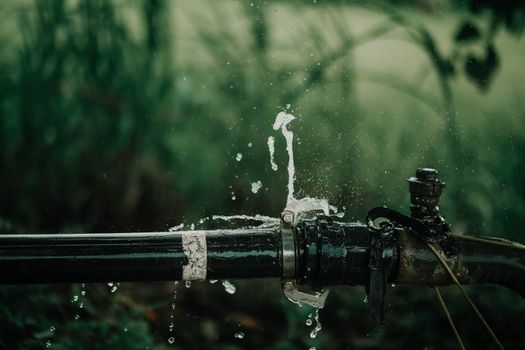
Invest in high-quality components for your rainwater harvesting system. Using subpar materials can lead to leaks or contamination.
- Tip: Choose materials that are durable and resistant to corrosion.
- Tip: Ensure your Smart Water Box has a good filtration system to maintain water quality.
3. Regular Maintenance
Like any system, regular maintenance is key to functionality. A common mistake is neglecting maintenance tasks, which can lead to clogs and system failures.
- Tip: Schedule bi-annual inspections to clean filters and check for leaks.
- Tip: Monitor the water quality regularly, especially during droughts or heavy rains.
4. Smart Monitoring
Utilizing the smart features of your Smart Water Box can prevent many issues. Failing to monitor water levels and quality can lead to overflows or using contaminated water.
- Tip: Use the app or dashboard provided with your Smart Water Box to keep track of water levels and receive alerts.
Avoiding Common Mistakes
While implementing the best practices above, it's crucial to be aware of common mistakes that can arise:
1. Ignoring Local Regulations
Some regions have regulations regarding rainwater harvesting. Ignoring these can lead to fines or having to dismantle your system.
- Tip: Research local laws and obtain necessary permits before installation.
2. Inadequate Drainage
Improper drainage around your Smart Water Box can lead to water pooling and potential damage to your home. This is often overlooked during installation.
- Tip: Ensure proper grading around your tank and install gutters that direct water away from the structure.
3. Neglecting Plant Health
Using harvested rainwater for irrigation can be beneficial, but neglecting plant health is a common mistake. Contaminated or improperly stored water can harm your plants.
- Tip: Ensure that your Smart Water Box has a proper filtration system to keep water clean.
Troubleshooting Tips and Fixes
Even with the best practices in place, issues may arise. Here are some troubleshooting tips:
1. Low Water Levels
If your Smart Water Box shows low water levels even after rainfall, check for:
- Leaks in the system.
- Blockages in the downspout or filters.
2. Water Contamination
If you suspect contamination, take immediate action:
- Test the water quality.
- Inspect and clean the filtration system.
- Consider using a UV filter for added protection.
3. Overflow Issues
If your Smart Water Box overflows during heavy rains, check for:
- Properly sized storage capacity.
- Functional overflow drains.
Adjusting your system based on these observations can help prevent future overflow.
Conclusion
Implementing a rainwater harvesting system with a Smart Water Box can drastically improve your water conservation efforts. By following these best practices and avoiding common mistakes, you can create a sustainable and efficient water management system. For additional resources and detailed plans, consider checking out Ted Water System.
FAQs
1. How often should I clean my Smart Water Box?
It is recommended to clean your Smart Water Box at least twice a year, or more frequently if you notice any issues with water quality.
2. What should I do if my rainwater tastes unusual?
If your rainwater has an unusual taste, stop using it for consumption and test it for contaminants. Clean your filtration system and check for any signs of algae or bacteria.
3. Can I use rainwater for all my household needs?
While rainwater can be used for irrigation and non-potable uses, it is essential to treat it appropriately before using it for drinking or cooking.
📚 Related Articles
🔨 Want 16,000+ Water System Plans?
Get instant access to step-by-step plans with blueprints and cut lists.
Get Instant Access →