Introduction
As the demand for sustainable agriculture continues to rise, the need for efficient water management systems has never been more critical. Smart water systems for agriculture not only help conserve water but also reduce costs associated with irrigation. In this article, we will explore some of the most efficient smart water systems available, focusing on budget-friendly options that utilize affordable materials. If you're looking to enhance your agricultural practices while saving money, read on!
Understanding Smart Water Systems
Smart water systems use technology to optimize water usage in agricultural practices. These systems typically include sensors, automation, and data analytics to monitor soil moisture, weather conditions, and plant needs. By implementing these systems, farmers can significantly reduce water waste and improve crop yield.
Benefits of Smart Water Systems
- Water Conservation: Reduce water usage by applying only what is necessary for crops.
- Cost Savings: Lower utility bills and reduce labor costs associated with traditional irrigation methods.
- Increased Crop Yield: Optimize irrigation to ensure crops receive the right amount of water at the right time.
- Data-Driven Decisions: Use real-time data to make informed irrigation choices, minimizing resource waste.
Types of Efficient Smart Water Systems
There are several types of smart water systems that can be implemented in agricultural settings. Here are some of the most efficient options:
1. Drip Irrigation Systems
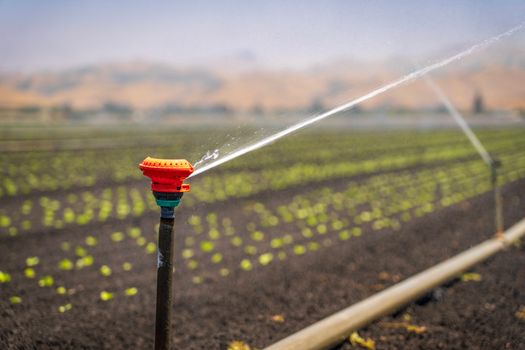
Drip irrigation is one of the most water-efficient methods available. It delivers water directly to the roots of plants through a network of tubing and emitters. This reduces evaporation and runoff, making it a sustainable choice for farmers.
For a budget build, consider:
- Using recycled PVC pipes for the irrigation layout.
- Installing simple emitters that can be adjusted based on crop needs.
- Creating a gravity-fed system to minimize energy costs.
2. Rainwater Harvesting Systems
Collecting rainwater can provide a valuable resource for irrigation. By installing a rainwater harvesting system, farmers can capture and store rainwater for later use, reducing reliance on municipal water supplies.
Cost-effective methods for building a rainwater harvesting system include:
- Using large barrels or tanks that can be sourced from local suppliers for storage.
- Installing simple gutter systems to direct rainwater into your collection containers.
- Utilizing basic filtration systems to ensure the water is suitable for irrigation.
3. Soil Moisture Sensors
Soil moisture sensors help monitor the moisture levels in the soil, ensuring that crops receive adequate water without over-irrigation. This technology can be integrated into existing irrigation systems to optimize water usage.
For a budget-friendly approach, consider:
- Building your own sensors using affordable components like Arduino boards.
- Positioning sensors in strategic locations to get accurate readings of soil moisture.
- Using mobile apps to monitor moisture levels and automate irrigation schedules.
4. Automated Irrigation Systems
Automated irrigation systems can save time and labor costs while ensuring that crops receive the right amount of water. These systems can be programmed to water crops based on specific schedules or moisture readings.
To keep costs low, consider:
- Using simple timers available at garden centers for basic automation.
- Integrating weather data into your system to adjust watering schedules based on rainfall.
- Choosing affordable irrigation controllers that are compatible with your existing system.
Planning and Implementation
When planning your smart water system, it is essential to assess your specific agricultural needs and budget constraints. Here are some tips for effective implementation:
- Research: Explore various systems and technologies to find what best suits your needs.
- Start Small: Consider implementing a pilot project before scaling up.
- Utilize Resources: Ted Water System offers plans and resources that can guide you in building your irrigation system.
- Collaborate: Join local farming groups to share ideas and resources with fellow farmers.
Conclusion
Investing in efficient smart water systems for agriculture is a step towards sustainable farming practices. By utilizing affordable materials and implementing cost-saving strategies, farmers can enhance their water conservation efforts while optimizing crop yield. Whether you choose drip irrigation, rainwater harvesting, soil moisture sensors, or automated systems, each approach offers unique advantages for budget-conscious agricultural operations.
FAQ
- What are the key components of a smart water system? A smart water system typically includes sensors, automation tools, and data analytics to optimize water usage.
- How can I build a budget-friendly irrigation system? Use recycled materials, simple timers, and DIY sensors to keep costs low while effectively managing water.
- Where can I find plans for building a smart water system? Ted Water System provides valuable plans and resources for constructing efficient irrigation systems.
📚 Related Articles
🔨 Want 16,000+ Water System Plans?
Get instant access to step-by-step plans with blueprints and cut lists.
Get Instant Access →