Introduction
The need for effective water conservation in gardening is more crucial than ever. As climate change progresses, traditional watering methods can lead to water wastage and increased utility costs. Installing a smart water conservation system not only optimizes water usage but also enhances the overall health of your garden. This article will delve into advanced techniques focusing on joinery, precision, and professional finishes when installing such systems.
Understanding Smart Water Conservation Systems
Smart water conservation systems use technology to monitor and manage the irrigation of your garden. These systems adjust watering schedules based on weather conditions, soil moisture levels, and plant requirements. Before diving into the installation process, there are several considerations to keep in mind:
1. Assess Your Garden's Needs
- Plant Types: Different plants have varying water requirements. Assess whether your garden consists of drought-resistant plants or those that require more moisture.
- Layout: The configuration of your garden can dictate the type of smart system you'll need. Consider areas that might need more or less water.
- Soil Type: Different soil types retain moisture differently. Sandy soils drain quickly, while clay soils may retain too much water.
2. Choosing the Right System
There are various smart irrigation systems available, from drip systems to smart sprinklers. Evaluate the following:
- Drip Irrigation: Ideal for targeted watering of specific plants, minimizing water waste.
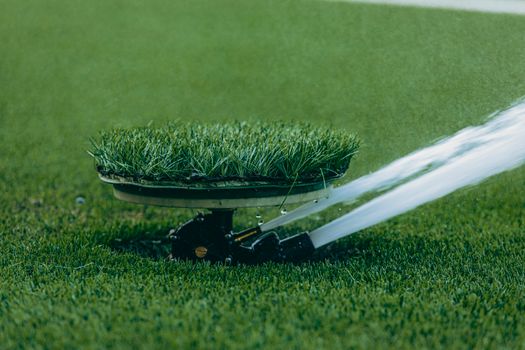
- Sprinkler Systems: Suitable for larger areas, but ensure they are equipped with smart technology to adjust based on rainfall and evaporation.
- Smart Controllers: These devices connect to your smart home network and allow you to manage watering schedules remotely.
Preparation for Installation
Once you've chosen a system, thorough preparation is key to achieving a professional finish. Here are advanced techniques to consider:
1. Precision Joinery
Joinery plays a crucial role in the durability and effectiveness of your irrigation system. Utilize precise measuring tools to ensure that all components fit together seamlessly. Here are some methods:
- Mortise and Tenon Joints: For wooden structures supporting your system, this joint provides strength and stability.
- Dovetail Joints: For added aesthetics and a professional finish, dovetail joints offer both functionality and beauty.
- Dowels: Use dowels for aligning components accurately, ensuring that your irrigation lines are straight and secure.
2. Choosing Quality Materials
The choice of materials can significantly impact the longevity and efficiency of your smart water conservation system. Consider using:
- UV-Resistant Tubing: This will prevent degradation from sunlight, extending the life of your irrigation system.
- Corrosion-Resistant Fittings: Opt for materials like brass or stainless steel to prevent rust and prolong system durability.
- Non-Toxic Sealants: If you are using any adhesives, ensure they are safe for plants and will not leach harmful chemicals into the soil.
Installation Techniques
With your materials and tools ready, it is time to install your smart water conservation system. Here are some advanced techniques to ensure a professional finish:
1. Accurate Layout Planning
Before installation, sketch a detailed layout of your irrigation system. Visualize where each component will go, including sprinkler heads, tubing, and valves. Precision is key:
- Use a Measuring Tape: Measure distances accurately to ensure even coverage.
- Mark with Chalk: Use biodegradable chalk to mark positions before digging or securing components.
2. Leveling and Alignment
For a professional finish, ensure that all components are level and properly aligned:
- Use a Level: Check that your sprinkler heads and drip lines are even to avoid water pooling.
- Adjusting Sprinkler Angles: Fine-tune the angles of your sprinkler heads to achieve optimal water distribution.
Testing and Maintenance
After installation, testing your system is vital. Check for leaks, adjust settings, and ensure that all components are functioning properly. Regular maintenance will keep your system running efficiently:
- Seasonal Checks: Before the watering season, inspect all parts for wear and replace as necessary.
- Adjusting Settings: Use data from your smart controller to fine-tune watering schedules as seasons change.
Resources for Planning Your System
For those looking for detailed plans and guidance on setting up your smart water conservation system, Ted Water System is an excellent resource. They offer comprehensive plans that cater to different garden types and sizes.
Conclusion
Installing a smart water conservation system can transform your gardening experience while saving water and money. By focusing on advanced techniques of joinery, precision, and quality finishes, you can ensure a system that not only works effectively but also stands the test of time.
FAQ
- How much can a smart water conservation system save on my water bill? - Many users report savings of 20-50% on their garden watering bills after installing a smart system.
- Do I need professional help to install a smart water system? - While DIY installation is possible, professional assistance can ensure optimal performance and adherence to local regulations.
- Is maintenance of a smart water conservation system difficult? - Regular checks and minor adjustments are typically all that's needed, making maintenance relatively easy.
📚 Related Articles
🔨 Want 16,000+ Water System Plans?
Get instant access to step-by-step plans with blueprints and cut lists.
Get Instant Access →