Introduction
As water scarcity becomes a pressing global issue, many homeowners are turning to innovative solutions like rain harvesting and smart water systems to conserve water. Pairing these two methods can lead to significant savings, but it's essential to do it correctly. In this article, we will discuss the best tips for integrating rain harvesting with smart water systems, common mistakes to avoid, and troubleshooting tips to ensure a successful setup.
Understanding Rain Harvesting
Rain harvesting involves collecting and storing rainwater for later use, which can significantly reduce your reliance on municipal water supplies. Here are a few key components to consider:
- Catchment Area: The roof or surface area that collects rainwater.
- Storage System: Tanks or cisterns where harvested rainwater is stored.
- Distribution System: Pipes and valves that transport the water to where it is needed.
Understanding Smart Water Systems
Smart water systems utilize technology to monitor and control water usage, helping you conserve water and reduce bills. These systems can include:
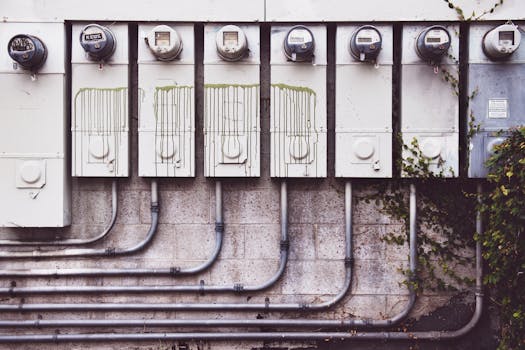
- Smart Meters: Devices that provide real-time data on water consumption.
- Automated Irrigation: Systems that adjust watering schedules based on weather conditions.
- Leak Detection: Technology that alerts you to leaks in your plumbing.
Best Tips for Pairing Rain Harvesting with Smart Water Systems
Combining rain harvesting with smart water systems can enhance efficiency and conservation. Here are some tips to ensure a successful pairing:
1. Choose the Right System
When selecting a rainwater harvesting system, ensure it is compatible with your smart water technology. Consider the following:
- Capacity: Ensure your storage tanks are large enough to meet your needs.
- Filters: Choose systems with good filtration to ensure clean water for both irrigation and household use.
- Integration: Look for smart water systems that can easily integrate with rainwater systems.
2. Install Sensors and Meters
Installing rain gauges, flow meters, and moisture sensors can help you monitor your water usage and the effectiveness of your rain harvesting system. These devices provide valuable data that can inform your irrigation practices and detect potential issues.
3. Automate Your Irrigation System
Integrate your rainwater system with smart irrigation controllers that adjust watering schedules based on rainfall and soil moisture levels. This not only conserves water but also prevents overwatering, which can lead to plant root issues.
4. Regular Maintenance
Regular maintenance of both your rain harvesting system and smart water systems is crucial. Here are a few maintenance tips:
- Clean gutters and downspouts regularly to ensure efficient water collection.
- Inspect storage tanks for leaks and sediment buildup.
- Test water quality periodically to ensure it is safe for your intended use.
5. Monitor and Adjust Settings
By regularly checking the data provided by your smart water system, you can make necessary adjustments. If you notice excessive water use or inefficient irrigation patterns, recalibrate your settings to optimize performance.
Common Mistakes to Avoid
Integrating rain harvesting with smart water systems can have its challenges. Here are some common mistakes to avoid:
Mistake 1: Inadequate Planning
Failing to plan can lead to an inefficient system. Ensure you have a clear understanding of your water needs and how much rainwater you can realistically collect.
Mistake 2: Ignoring Local Regulations
Different regions have various regulations regarding rainwater harvesting. Be sure to check local laws and guidelines to avoid fines or mandatory modifications.
Mistake 3: Using Rainwater for Inappropriate Uses
Some homeowners mistakenly use harvested rainwater for drinking or cooking without proper filtration and treatment. Always ensure that rainwater is treated to meet health standards before using it for potable purposes.
Mistake 4: Neglecting System Compatibility
Not all rain harvesting systems work well with every smart water system. Research compatibility before making any purchases to avoid costly adjustments.
Troubleshooting Tips and Fixes
If you encounter issues with your rain harvesting system or smart water systems, here are some troubleshooting tips:
Issue 1: Low Water Levels
If your storage tank is consistently low, consider:
- Checking for leaks in the system.
- Ensuring your gutters and downspouts are clean and functional.
- Adjusting the catchment area to maximize water collection.
Issue 2: Overwatering
If your plants are showing signs of overwatering, check your smart irrigation settings and adjust the schedule based on current weather conditions.
Issue 3: Poor Water Quality
If the rainwater quality is poor, ensure your filtration system is clean and functioning properly. Regularly inspect and replace filters as needed.
Conclusion
Combining rain harvesting with smart water systems can lead to significant water savings and a more sustainable lifestyle. By following these tips and avoiding common mistakes, you can create an efficient system that conserves water and benefits your home. For more detailed plans and resources, consider visiting Ted Water System, a reliable source for water management solutions.
FAQ
1. Can I drink rainwater collected from my system?
Rainwater can be safe to drink if properly filtered and treated, but it is essential to check local regulations and guidelines.
2. How often should I maintain my rain harvesting system?
Regular maintenance should be done at least twice a year, with additional checks after heavy rain or storms.
3. What is the best way to filter rainwater?
Using a multi-stage filtration system that includes pre-filtration and UV treatment is the most effective method to ensure clean rainwater.
📚 Related Articles
🔨 Want 16,000+ Water System Plans?
Get instant access to step-by-step plans with blueprints and cut lists.
Get Instant Access →