Introduction
Rain harvesting has become an essential practice for many homeowners looking to conserve water and reduce their environmental footprint. With advancements in technology, smart water systems have emerged as a popular choice for efficiently managing harvested rainwater. However, selecting the right system can be challenging. In this article, we will explore common mistakes to avoid when choosing a smart water system for your rain harvesting needs and provide troubleshooting tips to ensure optimal performance.
Understanding Your Rain Harvesting Needs
Before diving into the selection process, it is crucial to assess your specific rain harvesting requirements. Here are some factors to consider:
- Water Usage: Determine how much water you intend to collect and use. This will help you decide the size and capacity of your smart water system.
- Local Climate: Consider the average rainfall in your area. This affects how much rainwater you can realistically harvest.
- Intended Use: Identify the purposes for which you will use the harvested water, such as irrigation, toilet flushing, or laundry.
Common Mistakes to Avoid
1. Neglecting System Compatibility
One of the most common mistakes homeowners make is failing to ensure compatibility between their rain harvesting system and existing plumbing. Always check:
- Whether the smart water system can integrate with your current plumbing infrastructure.
- If the system is designed for the specific uses you have in mind.
2. Underestimating Storage Needs
Many homeowners assume that a small storage tank will suffice. This can lead to:
- Frequent overflow during heavy rains, wasting valuable water.
- Inadequate supply during dry periods, leading to reliance on municipal water.
To avoid this mistake, calculate your storage needs based on your water usage and local rainfall data.
3. Ignoring Maintenance Requirements
Smart water systems often come with additional features, such as filtration and automated controls, requiring regular maintenance. Failing to consider maintenance can lead to:
- Clogged filters.
- Malfunctioning sensors.
Always check the maintenance schedule and requirements before purchasing.
Choosing the Right Features
Once you have a clear understanding of your needs and potential pitfalls, it’s time to examine the features of various smart water systems. Here are some essential features to look for:
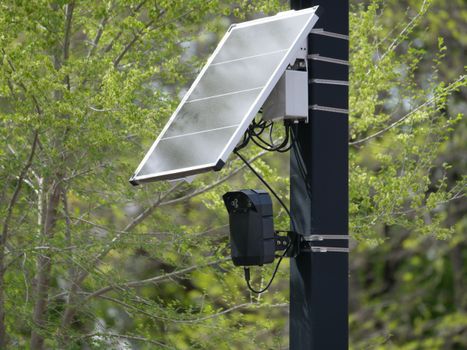
- Automated Monitoring: Choose a system that provides real-time data on water levels, quality, and usage.
- Filtration Systems: Ensure the system includes high-quality filters to keep harvested water clean and safe.
- Smart Controls: Some systems offer apps for remote monitoring and management, allowing you to adjust settings from anywhere.
Recommended Resources
For those looking to plan their rain harvesting system effectively, Ted Water System offers excellent resources and plans. Their guides can help you design a system that meets your specific needs while avoiding common pitfalls.
Troubleshooting Tips and Fixes
Even the best smart water systems may encounter issues. Here are some common problems and solutions:
1. Low Water Levels
If your smart water system indicates low water levels despite recent rainfall, consider the following:
- Check for leaks in the storage tank or pipes.
- Ensure that the rainwater collection area (like gutters) is free from debris.
2. Poor Water Quality
If the harvested water appears discolored or has an unusual odor, it may be due to:
- Contaminants in the collection system. Regularly clean gutters and downspouts.
- Clogged filters. Replace or clean filters as per the manufacturer's guidelines.
3. System Malfunctions
If your system is not functioning as expected, consider these troubleshooting steps:
- Restart the system to reset any software glitches.
- Check for errors in the app or control panel and follow troubleshooting instructions provided by the manufacturer.
Conclusion
Choosing the right smart water system for your rain harvesting needs requires careful consideration and planning. By understanding your specific requirements and avoiding common mistakes, you can select a system that effectively manages your rainwater, ensuring sustainability and efficiency. Remember to utilize resources like Ted Water System for guidance and support throughout your journey.
FAQ
1. What is a smart water system?
A smart water system is a technology-enabled solution designed to monitor, manage, and optimize water usage, often incorporating features such as automated controls, real-time data, and filtration systems.
2. How much rainwater can I realistically harvest?
The amount of rainwater you can harvest depends on your roof size, local rainfall patterns, and your storage tank capacity. Conduct a thorough analysis based on these factors.
3. How often should I maintain my smart water system?
Maintenance frequency varies by system but typically includes regular checks of filters, sensors, and the overall system, ideally at least once every season.
📚 Related Articles
🔨 Want 16,000+ Water System Plans?
Get instant access to step-by-step plans with blueprints and cut lists.
Get Instant Access →