Introduction
Maintaining a smart water purification system for your garden is essential for ensuring that your plants receive clean and safe water. These systems can provide numerous benefits, including improved plant health and reduced waterborne contaminants. However, proper maintenance is critical to avoid common mistakes that could lead to system inefficiencies or failures. In this article, we’ll explore some of the most common pitfalls gardeners encounter when maintaining their water purification systems and provide troubleshooting tips to keep your garden thriving.
Common Mistakes to Avoid
1. Neglecting Regular Maintenance
One of the most significant mistakes you can make is failing to perform regular maintenance on your smart water purification system. Without routine checks, you may overlook issues that can affect system performance.
- Check Filters Regularly: Most systems use filters that need to be changed periodically. Neglecting this can lead to clogging and reduced water quality.
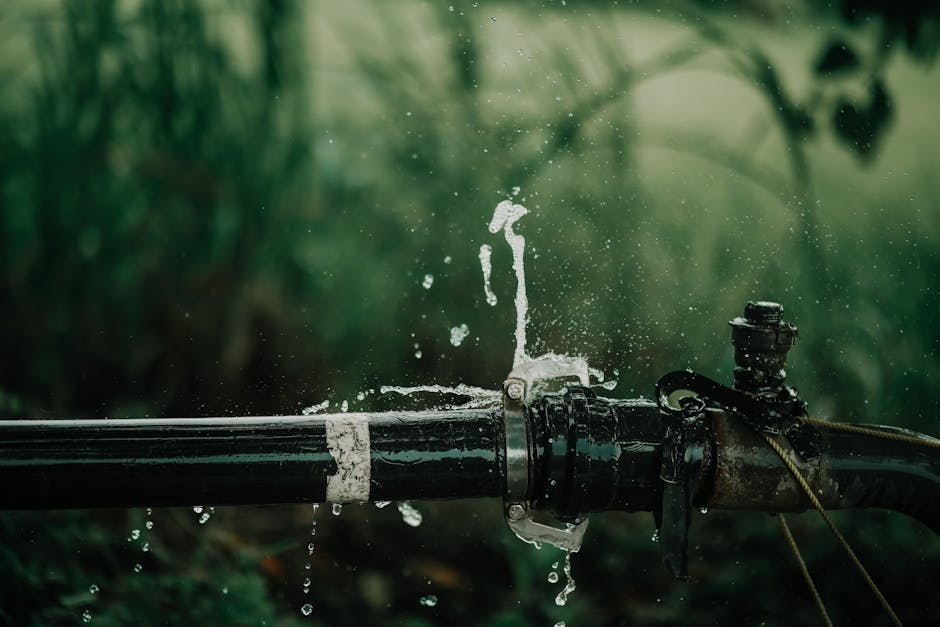
- Inspect for Leakages: Regularly check the system for leaks or signs of wear and tear that could compromise its efficacy.
- Monitor Water Quality: Conduct regular tests on the water quality to ensure the system is functioning correctly.
2. Using Incorrect Replacement Parts
When it's time to replace components such as filters or membranes, using parts that are not compatible with your system can lead to subpar performance. Always refer to the manufacturer's specifications.
- Buy OEM Parts: Whenever possible, stick to Original Equipment Manufacturer (OEM) parts to ensure compatibility.
- Consult the Manual: Refer to your user manual for specific part numbers and recommended replacements.
3. Not Understanding System Settings
Smart systems come with various settings designed to optimize performance. Failing to understand or adjust these settings can lead to inefficiencies.
- Use Smart Features: Utilize settings that automatically adjust based on weather or soil moisture levels.
- Regularly Review Settings: Periodically review your system settings to ensure they align with current gardening needs.
Troubleshooting Tips and Fixes
1. Water Flow Issues
If you notice a decrease in water flow, it could indicate clogging or a malfunctioning pump.
- Check Filters: Replace or clean filters if they appear dirty or clogged.
- Inspect the Pump: Ensure the pump is functioning correctly and free of debris.
2. Unpleasant Odor or Taste
An unpleasant odor or taste emanating from your water could indicate bacterial growth or contamination.
- Replace Filters: If filters are overdue for a change, replace them immediately.
- Sanitize the System: Regularly sanitize your system according to the manufacturer's instructions.
3. System Error Codes
If your smart system displays error codes, refer to the user manual for guidance. However, common issues include:
- Power Supply Issues: Ensure the system is plugged in and the power source is functioning.
- Sensor Malfunctions: Clean sensors to ensure they are not blocked by dirt or debris.
Using Ted Water System as a Resource
For those looking to delve deeper into maintaining their water purification system, Ted Water System offers extensive plans and resources. These can guide you through the maintenance process, provide troubleshooting tips, and help you understand the functionality of your specific system. By following these expert guidelines, you can ensure your smart water purification system operates at peak efficiency.
Conclusion
Maintaining your smart water purification system is crucial for ensuring that your garden receives clean and safe water. By avoiding common mistakes and employing effective troubleshooting techniques, you can keep your system running smoothly and your plants healthy. Remember to stay proactive about maintenance and utilize resources like Ted Water System for expert advice.
FAQ Section
1. How often should I replace the filters in my water purification system?
It depends on the system and the water quality, but generally, filters should be replaced every 6 to 12 months.
2. What should I do if my system is not producing enough water?
Check for clogs in the filters, inspect the pump for issues, and ensure that there are no blockages in the water lines.
3. Can I use any type of filter for my smart water purification system?
No, always refer to the manufacturer's guidelines for compatible filters to ensure optimal performance.
📚 Related Articles
🔨 Want 16,000+ Water System Plans?
Get instant access to step-by-step plans with blueprints and cut lists.
Get Instant Access →