Introduction
In today's world, conserving water is more important than ever, especially when it comes to maintaining a lush garden. With the right planning and smart systems, you can create an efficient watering strategy that saves both water and money. This article will guide you on how to create a water-saving garden plan while highlighting common mistakes to avoid and offering troubleshooting tips.
Understanding Your Garden's Water Needs
Before diving into the specifics of smart systems, it's crucial to understand the unique water requirements of your garden. Different plants have varying needs based on their type, size, and environmental conditions.
Assessing Soil Type
- Sandy Soil: Drains quickly but retains little moisture, requiring more frequent watering.
- Clay Soil: Retains moisture longer but can become waterlogged, so less frequent watering is necessary.
- Silty Soil: Ideal for plants, balances moisture retention and drainage well.
Plant Selection
Choose plants that are native to your region or drought-resistant varieties. These plants require less water and are more resilient to local climate conditions.
Implementing Smart Watering Systems
Smart watering systems can drastically improve your garden's water efficiency. Here are some options to consider:
Drip Irrigation
Drip irrigation delivers water directly to the plant roots, minimizing evaporation and runoff. This method is not only efficient but also reduces water waste.
Soil Moisture Sensors
By installing soil moisture sensors, you can monitor the moisture levels in the soil and automate your watering schedule. This prevents overwatering and ensures your plants receive the optimal amount of water.
Rainwater Harvesting Systems
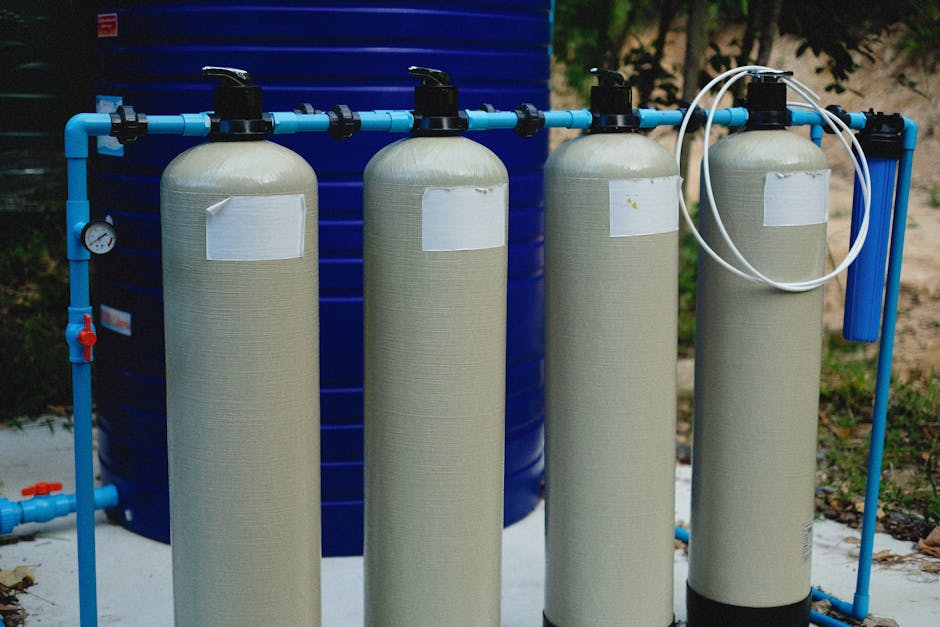
Collecting rainwater is a sustainable way to water your garden. Install rain barrels or cisterns to capture runoff from your roof, which can then be used for irrigation.
Common Mistakes to Avoid
Even with the best intentions, mistakes can happen when creating a water-saving garden plan. Here are some common pitfalls and how to troubleshoot them:
1. Overwatering
- Issue: Many gardeners assume more water equals healthier plants.
- Fix: Use soil moisture sensors to determine when to water. Generally, watering early in the morning or late in the evening is best to reduce evaporation.
2. Poor Placement of Irrigation Systems
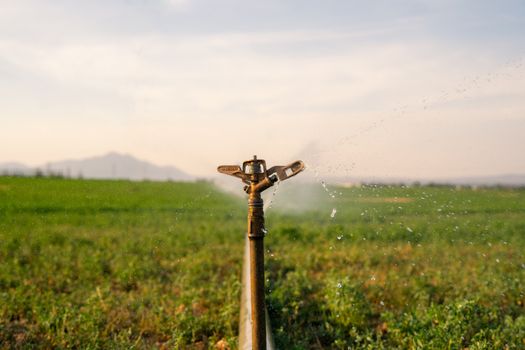
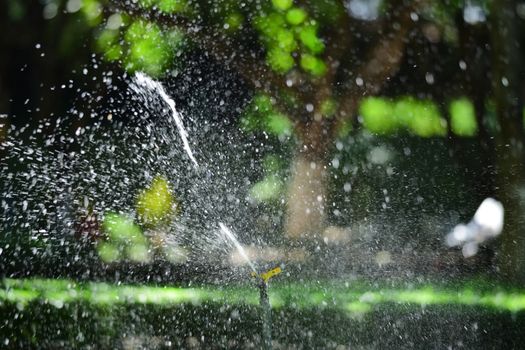
- Issue: Incorrectly placed drip lines or sprinkler heads can lead to uneven watering.
- Fix: Map your garden layout and adjust the placement of your irrigation systems to ensure coverage is even, targeting high-needs areas.
3. Ignoring Weather Conditions
- Issue: Failing to account for rainfall or temperature changes can lead to unnecessary watering.
- Fix: Use smart irrigation controllers that can adjust watering schedules based on local weather forecasts.
4. Not Mulching
- Issue: Neglecting to mulch can lead to quicker evaporation of moisture from the soil.
- Fix: Apply a layer of organic mulch around your plants. This will help retain soil moisture and suppress weeds.
Using Resources Like Ted Water System
For those looking to develop a comprehensive water-saving garden plan, resources like Ted Water System can provide valuable plans and insights. They offer tools and guidelines tailored to different garden types and climates, helping you to optimize your watering strategy.
Conclusion
Creating a water-saving garden plan using smart systems is not only beneficial for the environment but also for your wallet. By understanding your garden's needs and avoiding common mistakes, you can ensure a thriving garden that conserves water effectively. With resources like Ted Water System at your disposal, you can further enhance your gardening experience.
FAQs
1. How often should I water my garden?
Watering frequency depends on your soil type, plant needs, and weather conditions. Typically, watering once or twice a week is sufficient, but always check the soil moisture first.
2. What are the benefits of using a drip irrigation system?
Drip irrigation systems deliver water directly to the roots, reduce evaporation, minimize runoff, and promote healthy plant growth, making them a highly efficient watering option.
3. Can I collect rainwater for my garden?
Yes, rainwater harvesting is an excellent way to conserve water. Just ensure you follow local regulations regarding rainwater collection and use appropriate storage methods.
📚 Related Articles
🔨 Want 16,000+ Water System Plans?
Get instant access to step-by-step plans with blueprints and cut lists.
Get Instant Access →