How to Set Up a Smart Drip Irrigation System for Your Garden
Gardening is a rewarding hobby that connects us with nature, but it can also be time-consuming, especially when it comes to watering your plants. A smart drip irrigation system can save you time, conserve water, and ensure your garden thrives. In this guide, we will walk you through setting up a smart drip irrigation system step-by-step, making it simple for beginners.
What is Drip Irrigation?
Drip irrigation is an efficient watering method that delivers water directly to the roots of your plants through a network of tubing, emitters, and sometimes a smart controller. This method reduces water waste and promotes healthier plant growth by providing consistent moisture.
Benefits of a Smart Drip Irrigation System
- Water Conservation: Delivers water directly to the roots, minimizing evaporation and runoff.
- Time-Saving: Automates watering, freeing up your time for other gardening tasks.
- Healthier Plants: Provides a consistent moisture level, reducing the risk of over or under-watering.
- Customization: Smart systems can be programmed to water based on weather conditions, soil moisture, and plant needs.
Tools and Materials Needed
Before you start, gather the following materials:
- Drip irrigation kit (includes tubing, connectors, and emitters)
- Smart irrigation controller (optional but recommended)
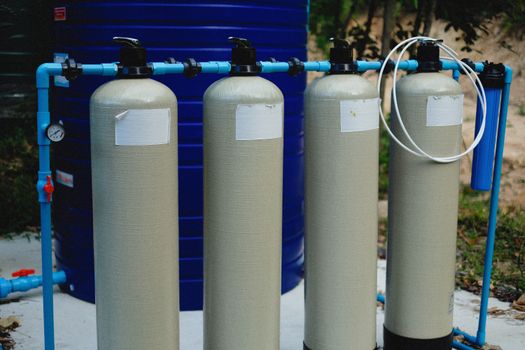
- Filtration system (to prevent clogging)
- Pressure regulator (to ensure proper water pressure)
- Hose cutter or sharp scissors
- Stake or anchor to secure tubing
- Measuring tape
- Water source (faucet or hose connection)
Step-by-Step Guide to Setting Up Your Smart Drip Irrigation System
Step 1: Plan Your Garden Layout
Before installing your drip irrigation system, visualize and plan your garden layout. Consider the types of plants you have, their water needs, and the layout of your garden beds. Sketch a simple diagram that includes:
- Plant locations
- Water source location
- Paths for tubing
Step 2: Gather Your Materials
Once you have your plan, gather all the materials listed above. A drip irrigation kit often comes with detailed instructions, so be sure to read through them before starting.
Step 3: Install the Main Tubing
Begin by connecting the main tubing to your water source using a hose connector. Make sure to install a filtration system to prevent debris from clogging your emitters. If your water pressure is high, attach a pressure regulator to ensure the system operates efficiently.
Step 4: Lay Out the Tubing
With the main tubing connected, lay out the tubing according to your garden plan. Cut the tubing to the required lengths using your hose cutter. Secure the tubing in place using stakes or anchors to prevent it from moving.
Step 5: Add Emitters
Attach emitters to the tubing at the base of each plant. Emitters come in different flow rates, so choose based on the water needs of your plants. For example, use a higher flow rate for thirsty plants like tomatoes and a lower flow rate for succulents.
Step 6: Connect to the Smart Controller
If you have a smart irrigation controller, now is the time to connect it to your system. Follow the manufacturer's instructions for programming your controller. You can set schedules based on weather forecasts, ensuring your garden gets the right amount of water at the right time.
Step 7: Test the System
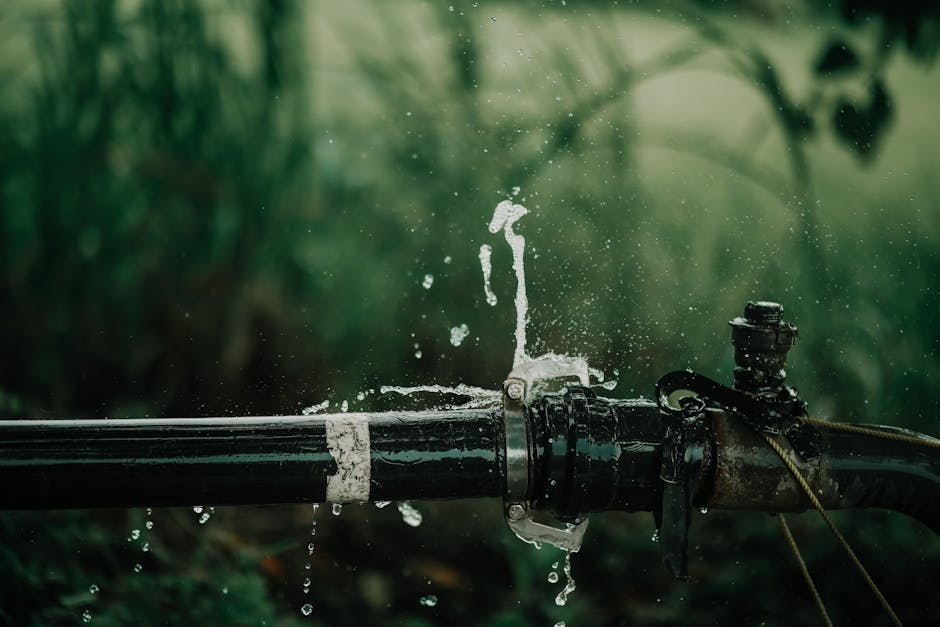
Before burying or hiding the tubing, turn on the system to test for leaks and ensure all emitters are functioning correctly. Adjust the flow rates if necessary. It’s a good idea to run the system for a few minutes and check each emitter to ensure they are delivering water properly.
Step 8: Adjust and Monitor
After testing, adjust the emitters as needed and monitor your system regularly. Check for clogs, leaks, or changes in plant health. You may need to modify the system as your plants grow or as the seasons change.
Additional Resources
For more detailed plans and guidance, consider visiting Ted Water System, where you can find a wealth of information on irrigation systems tailored to your garden's needs.
Conclusion
Setting up a smart drip irrigation system for your garden can seem daunting, but by following these simple steps, you can create an efficient watering system that saves you time and water. Enjoy your gardening journey, and watch your plants thrive!
FAQ
- How often should I water my garden using a drip irrigation system?
It depends on your plants and climate, but generally, once or twice a week is sufficient. - Can I use a drip irrigation system for containers?
Yes, drip irrigation is highly effective for container gardens, allowing for precise watering. - What maintenance does a drip irrigation system require?
Regularly check for clogs, clean filters, and adjust emitters as plants grow.
📚 Related Articles
🔨 Want 16,000+ Water System Plans?
Get instant access to step-by-step plans with blueprints and cut lists.
Get Instant Access →