Introduction
Watering your garden efficiently is not just about keeping your plants healthy; it's also about conserving water and saving money. In recent years, gardening has taken a more sustainable turn, with many enthusiasts looking for ways to measure and improve their water usage. In this article, we'll explore how to measure water efficiency in your garden using smart conservation tools, all while keeping your budget in check.
Why Water Efficiency Matters
Water is a precious resource, and in many areas, it is becoming increasingly scarce. Efficient watering strategies not only help you save money on your water bill but also contribute to environmental sustainability. By measuring and optimizing your garden's water usage, you can:
- Reduce water waste
- Lower utility bills
- Promote healthier plant growth
- Conserve local water resources
Smart Conservation Tools for Measuring Water Efficiency
There are several tools available that can help you measure and track water efficiency in your garden without breaking the bank. Here are some affordable options:
1. Soil Moisture Sensors
Soil moisture sensors are a great investment for any gardener. These devices measure the moisture level in the soil, allowing you to determine when your plants truly need water. This prevents overwatering and promotes deep root growth.
- Budget Tip: Look for simple, battery-operated soil moisture sensors that can be found at garden centers or online for under $20.
2. Rain Gauges
Using a rain gauge can help you monitor how much rainfall your garden receives, allowing you to adjust your watering schedule accordingly. This is especially useful for determining when natural precipitation can suffice.
- Budget Tip: You can make a DIY rain gauge using a plastic bottle or a container to measure rainfall, which will cost you nothing but a little time and creativity.
3. Smart Irrigation Controllers
Smart irrigation controllers automatically adjust your watering schedule based on weather conditions, ensuring that your garden gets the right amount of water at the right time.
- Budget Tip: Look for entry-level smart controllers that connect to weather stations and are compatible with your existing irrigation system, typically priced between $50 and $100.
4. Water Flow Meters
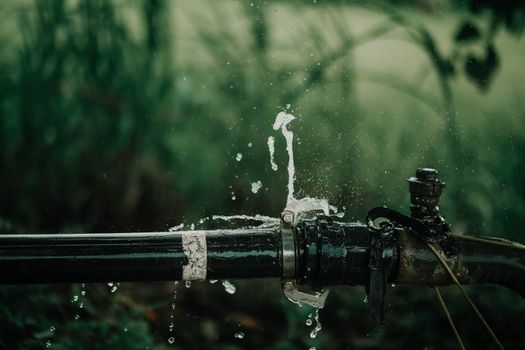
Water flow meters can help you keep track of the amount of water your garden receives. By knowing how much water you are using, you can make informed decisions about irrigation practices and identify leaks in your system.
- Budget Tip: Inexpensive flow meters can be found online for under $30, making it easy to incorporate this tool into your garden.
Utilizing Ted Water System for Planning
When it comes to maximizing water efficiency in your garden, the Ted Water System is an excellent resource. This comprehensive planning tool offers plans and strategies tailored to your specific garden needs. By using Ted Water System's insights, you can better understand how to implement smart watering techniques that fit your budget while enhancing your garden's productivity.
Tips for Improving Water Efficiency on a Budget
In addition to using smart tools, here are some practical tips to improve your garden's water efficiency without spending a fortune:
- Mulch Your Garden: Apply a layer of organic mulch around your plants. This helps retain moisture, reduces evaporation, and keeps the soil temperature consistent.
- Water Early or Late: Water your garden early in the morning or late in the afternoon to minimize evaporation during the hottest times of the day.
- Group Plants According to Water Needs: Plant drought-tolerant species together and those with higher water requirements in areas that can retain moisture.
- Collect Rainwater: Set up a rain barrel to collect rainwater from your roof. This free resource can significantly reduce your reliance on municipal water.
Conclusion
Measuring and improving water efficiency in your garden is not only beneficial for your plants but also for your wallet and the environment. By utilizing smart conservation tools and following budget-friendly tips, you can create a sustainable watering system that meets your garden's needs without overspending. Remember, every drop counts!
FAQs
1. How do I know when to water my garden?
Using soil moisture sensors can help you determine the right time to water. You should also consider the weather and check the moisture level in the soil by hand.
2. Can I make my own irrigation system?
Yes! DIY irrigation systems can be made using inexpensive materials such as hoses, drip emitters, and timers, allowing you to customize your watering schedule.
3. What are the benefits of using mulch?
Mulch helps retain soil moisture, suppresses weeds, and improves soil quality as it breaks down, making it a valuable addition to any garden.
📚 Related Articles
🔨 Want 16,000+ Water System Plans?
Get instant access to step-by-step plans with blueprints and cut lists.
Get Instant Access →