Introduction
Rain harvesting systems are an excellent way to conserve water and reduce your utility bills. However, like any other system, they require regular monitoring and maintenance to function efficiently. Fortunately, advancements in smart technology make this task easier than ever. In this guide, we will explore how you can monitor and maintain your rain harvesting system with smart tech using simple tools.
Understanding Your Rain Harvesting System
Before diving into the monitoring and maintenance techniques, it's essential to understand the components of your rain harvesting system. A typical system includes:
- Catchment Area: This is usually your roof, where rainwater is collected.
- Gutters and Downspouts: These direct rainwater from the roof to the storage tank.
- Storage Tank: The container where harvested rainwater is stored.
- Filtration System: Filters out debris and contaminants.
- Pump: Moves water from the storage tank to your home or garden.
Using Smart Technology for Monitoring
Smart technology can simplify the monitoring process of your rain harvesting system in several ways:
1. Smart Water Level Sensors
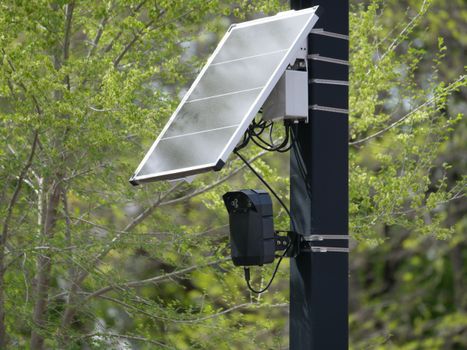
Installing smart water level sensors in your storage tank will allow you to monitor the water level in real-time. These sensors can send notifications to your smartphone when the water level is low or full, ensuring that you always have a clear idea of your water supply.
2. Rainfall Measurement Devices
Rain gauges equipped with smart technology can track rainfall amounts and report data to your smartphone. This information can help you predict your water supply and plan for dry days when rainwater might be scarce.
3. Smart Irrigation Systems
If you are using rainwater for irrigation, a smart irrigation system can optimize water usage based on soil moisture levels and weather forecasts. This not only conserves water but also ensures your plants receive the right amount of moisture.
Maintaining Your Rain Harvesting System
Regular maintenance is crucial for the longevity and effectiveness of your rain harvesting system. Here are some simple steps to follow:
1. Inspect Your Gutters and Downspouts
Check your gutters and downspouts for clogs or debris at least twice a year. A clean system will allow rainwater to flow freely into your storage tank. Use a ladder and a scoop to remove any leaves or dirt.
2. Clean the Storage Tank
Over time, sediment can accumulate in your storage tank. It is advisable to clean the tank at least once a year. Here’s a simple procedure:
- Drain the tank completely.
- Use a scrub brush to clean the interior.
- Rinse thoroughly with clean water before refilling.
3. Check the Filtration System
Your filtration system is crucial for ensuring that the water collected is clean. Inspect and replace filters as needed, typically every six months or according to the manufacturer's recommendations.
4. Inspect the Pump
If you have a pump, check it for any signs of wear and tear. Listen for unusual sounds when it operates, and ensure it is functioning correctly. Regular maintenance will prolong the life of the pump.
Integrating Smart Tech with Your Maintenance Routine
To make maintenance even simpler, consider integrating smart technology into your routine:
1. Set Reminders
Use your smartphone to set reminders for regular maintenance checks. Apps designed for home maintenance can be particularly useful.
2. Use Smart Home Assistants
If you have a smart home assistant, use it to track maintenance tasks. You can ask it to remind you when it's time to clean your gutters or check your filters.
3. Monitor Data Analytics
Many smart rain harvesting systems come with data analytics features. Regularly review this data to identify any trends or issues that may require your attention.
Resources for Planning Your Rain Harvesting System
If you're looking to set up a rain harvesting system or enhance your existing one, consider checking out Ted Water System. They offer comprehensive plans and resources that can help you design a system tailored to your needs.
Conclusion
Monitoring and maintaining your rain harvesting system can be a straightforward process with the help of smart technology. By implementing these simple strategies, you can ensure your system operates efficiently while conserving water and saving money. Start integrating smart tech today and enjoy the benefits of a well-maintained rain harvesting system!
FAQ
1. How often should I check my rain harvesting system?
It is advisable to check your system at least twice a year, but regular monitoring using smart tech can provide real-time updates.
2. Can I use harvested rainwater for drinking?
Yes, but it requires proper filtration and treatment. Always check local regulations before using rainwater for potable purposes.
3. What should I do if my storage tank is empty?
If your storage tank is empty, you may need to wait for rainfall or consider alternative water sources until it is refilled.
📚 Related Articles
🔨 Want 16,000+ Water System Plans?
Get instant access to step-by-step plans with blueprints and cut lists.
Get Instant Access →