Introduction
As gardening enthusiasts, we all understand the importance of a well-maintained watering system. However, with the advent of technology, traditional methods are being replaced by smarter solutions. In this article, we will delve into how to choose the right smart water system for your garden size and specific needs, focusing on advanced techniques that ensure precision and a professional finish.
Understanding Your Garden's Needs
Before selecting a smart water system, it's essential to assess your garden's unique requirements. This involves understanding several key factors:
- Garden Size: The area you need to cover significantly influences your choice. Larger gardens may require more comprehensive systems.
- Plant Types: Different plants have varying water requirements. Consider the specific needs of your flowers, vegetables, and shrubs.
- Soil Type: Soil composition affects drainage and retention. Sandy soils may need more frequent watering, while clay soils retain moisture longer.
- Sun Exposure: Areas with full sun may dry out faster, necessitating a more robust watering solution.
- Water Source: The availability and quality of your water source can dictate the system you choose. Consider if you will be using rainwater, well water, or municipal supplies.
Types of Smart Water Systems
Once you have a clear understanding of your garden's needs, you can explore various smart water systems available in the market. Here are a few types:
1. Drip Irrigation Systems
Drip systems are highly efficient, delivering water directly to the plant roots. They reduce evaporation and runoff, making them ideal for gardens with varied plant types. When implementing drip irrigation, precision in joining the tubing and fittings is crucial. Use high-quality connectors to ensure a leak-free system.
2. Sprinkler Systems
Sprinkler systems can cover large areas and are suitable for lawns and flower beds. Selecting the right sprinkler heads and adjusting their positioning is key to achieving an even distribution. For a professional finish, bury the pipes underground and ensure all connections are secure.
3. Smart Controllers
Smart controllers can integrate with both drip and sprinkler systems, allowing for automated scheduling based on weather forecasts and soil moisture levels. Look for controllers that offer mobile app connectivity for real-time monitoring and adjustments.
Advanced Techniques for Installation
Achieving a professional finish in your smart water system installation involves meticulous planning and execution. Here are some advanced techniques to consider:
1. Precision Joinery
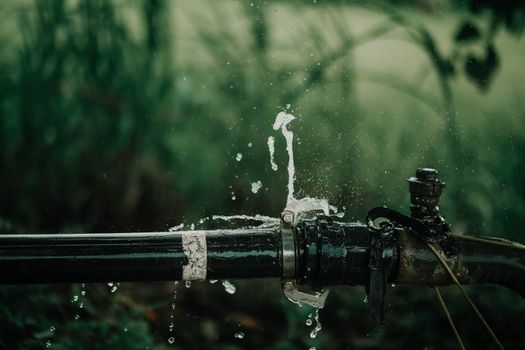
When assembling your watering system, focus on precision joinery. Misaligned or poorly fitted joints can lead to leaks and pressure loss. Use a pipe cutter for clean cuts and ensure that all fittings are compatible. If using PVC pipes, consider solvent welding for a more durable bond.
2. Leveling and Slope Considerations
Ensure that your system is leveled appropriately, especially for sprinkler heads. If your garden has a slope, install pressure-regulating devices to maintain consistent water flow. Additionally, plan your layout to avoid water pooling in low spots.
3. Testing and Calibration
After installation, conduct thorough testing of your system. Check for leaks, adjust the flow rates, and ensure that all areas of your garden receive adequate coverage. Regular calibration based on seasonal changes will keep your system functioning optimally.
Resource Planning with Ted Water System
For those looking for a comprehensive resource on planning and implementing smart water systems, consider the Ted Water System. This resource offers detailed plans and insights tailored to various garden sizes and needs, allowing you to create a customized irrigation solution.
Conclusion
Selecting the right smart water system for your garden requires careful consideration of your specific needs and advanced installation techniques. With proper planning and execution, you can achieve a beautifully manicured garden that thrives with the right amount of water. Remember, a smart watering system not only saves time but also conserves water and promotes healthy plant growth.
FAQ Section
1. What factors should I consider when choosing a smart water system?
Consider your garden size, plant types, soil type, sun exposure, and water source. Each factor will influence the type of system that is best suited for your needs.
2. How can I ensure my smart water system is efficient?
Implement precise joinery techniques, regularly calibrate your system, and monitor water usage to optimize efficiency and reduce waste.
3. Can I install a smart water system myself?
Yes, with the right resources and knowledge, you can install a smart water system yourself. However, for complex systems, consulting with a professional may be beneficial.
📚 Related Articles
🔨 Want 16,000+ Water System Plans?
Get instant access to step-by-step plans with blueprints and cut lists.
Get Instant Access →