Introduction
Water is one of our most precious resources, and conserving it is crucial, especially in urban settings where demand is high. With the right techniques, anyone can practice smart water conservation and make a significant impact. In this article, we will explore effective strategies that can be easily implemented using basic tools and a step-by-step approach.
Understanding the Importance of Water Conservation
Urban areas face unique challenges when it comes to water conservation. With a high population density and limited natural water sources, the need to save water becomes even more critical. Here are a few reasons why conserving water in urban settings is essential:
- Environmental Impact: Reducing water consumption helps decrease the energy required for water treatment and distribution, leading to lower carbon emissions.
- Cost Savings: Lowering your water usage can significantly reduce your utility bills.
- Resource Management: Efficient water use helps sustain local ecosystems and ensures that future generations have access to fresh water.
Smart Water Conservation Techniques for Urban Settings
Here are some practical and straightforward techniques you can implement to conserve water in your urban home:
1. Fix Leaks Promptly
Leaks can waste a significant amount of water if left untreated. Regularly check your faucets, toilets, and pipes for any signs of leaks. Here’s how to tackle leaks:
- Inspect all plumbing fixtures for drips.
- Use a simple wrench or pliers to tighten loose fixtures.
- If a leak persists, consider replacing washers or seals.
2. Install Water-Saving Fixtures
Upgrade your home with water-efficient fixtures:
- Low-Flow Showerheads: These can reduce water flow without sacrificing pressure.
- Dual-Flush Toilets: They allow you to use less water for liquid waste.
- Faucet Aerators: These devices mix air with water to reduce flow.
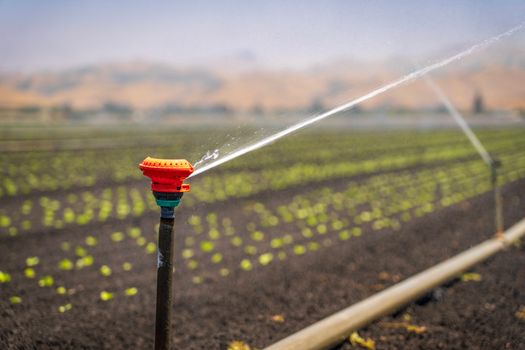
3. Smart Irrigation Techniques
If you have a garden or outdoor space, consider smart irrigation techniques:
- Drip Irrigation: This method delivers water directly to the roots, minimizing evaporation.
- Rain Barrels: Collect rainwater for use in your garden.
- Watering Schedule: Water your plants in the early morning or late evening to reduce evaporation.
4. Mindful Water Usage
Adopt habits that promote mindful water use:
- Shorter Showers: Aim for 5-10 minutes to save gallons.
- Turn Off the Tap: Don’t let the water run while brushing your teeth or washing dishes.
- Full Loads Only: Run dishwashers and washing machines with full loads to maximize efficiency.
5. Utilize Technology
Technology can play a significant role in water conservation:
- Smart Meters: These devices track your water usage in real-time and alert you to any unusual spikes.
- Mobile Apps: Use apps to monitor your water consumption and set conservation goals.
- Smart Controllers: These can optimize your irrigation schedule based on weather data.
For more detailed plans and resources on creating a sustainable water system at home, consider exploring Ted Water System.
Conclusion
By implementing smart water conservation techniques, urban residents can significantly reduce their water usage while contributing to a sustainable future. Start with small changes, and gradually adopt more strategies to make a larger impact. Remember, every drop counts!
FAQ
1. What are some easy ways to save water at home?
Some easy ways include fixing leaks, using water-saving fixtures, taking shorter showers, and running appliances only with full loads.
2. How can I check for leaks in my home?
Inspect faucets and toilets for drips, check the water meter before and after a 2-hour period of no water use, and look for signs of moisture around pipes.
3. Are there any government programs to assist with water conservation?
Yes, many local governments offer rebates for water-efficient fixtures or programs that provide resources for water conservation efforts.
📚 Related Articles
🔨 Want 16,000+ Water System Plans?
Get instant access to step-by-step plans with blueprints and cut lists.
Get Instant Access →