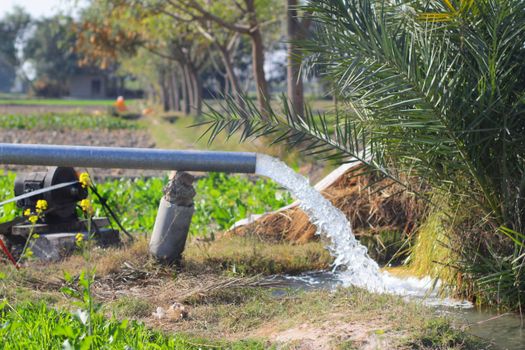
Introduction to Smart Water Boxes
As the world becomes increasingly aware of water scarcity and the importance of sustainable practices, rainwater harvesting has gained popularity. One of the key innovations in this field is the Smart Water Box. This advanced system not only simplifies rainwater collection but also enhances its utilization. In this article, we will explore what a Smart Water Box is, how it works, and provide budget-friendly tips for building your own.
What is a Smart Water Box?
A Smart Water Box is a modern rainwater harvesting system designed to maximize the efficiency and usability of collected rainwater. It typically includes features such as:
- Automated Sensors: These monitor water levels and quality.
- Filtration Systems: To ensure that the water collected is clean and safe.
- Smart Management: Integration with mobile apps to track water usage and management.
By employing technology, a Smart Water Box can provide real-time data on water usage, helping users make informed decisions about their water consumption.
Enhancing Rainwater Utilization
The advantages of using a Smart Water Box extend beyond mere convenience. Here are some significant ways it enhances rainwater utilization:
1. Improved Efficiency
With automated sensors, the Smart Water Box optimizes the use of collected rainwater. It can control irrigation systems based on rainfall data, ensuring that plants receive the right amount of water without wastage.
2. Quality Control
The built-in filtration system ensures that the rainwater collected is free from debris and contaminants. This makes it suitable for various uses, including irrigation, toilet flushing, and even laundry.
3. Cost Savings
By utilizing rainwater, you can significantly reduce your water bills. The Smart Water Box helps track your usage, allowing for better management and conservation of resources. Understanding your water consumption patterns can lead to further savings.
4. Environmental Impact
Utilizing rainwater reduces the demand on municipal water supplies, contributing to environmental sustainability. The Smart Water Box promotes responsible water usage, which is essential in combating climate change.
Building Your Own Smart Water Box on a Budget
Building a Smart Water Box doesn’t have to break the bank. Here are some tips to create an affordable system:
1. Choose Inexpensive Materials
Using affordable materials is key to keeping costs down. Consider the following options:
- Plastic Storage Tanks: These are often cheaper and lighter than metal options.
- DIY Filtration Systems: You can create effective filters using sand, gravel, and mesh screens instead of buying expensive commercial filters.
- Repurposed Materials: Use old gutters, barrels, or even discarded pipes to construct your system.
2. Simplified Automation
While high-tech sensors and smart devices can be pricey, there are budget-friendly alternatives. Consider:
- Simple Float Switches: These can be used to control water levels without the need for complex systems.
- Manual Control Systems: Instead of relying solely on automation, you can incorporate some manual controls to save costs.
3. DIY Smart Management
Instead of investing in expensive mobile apps, you can create a simple tracking system using a notebook or spreadsheet to log water usage and monitor levels manually.
4. Utilize Online Resources
Websites like Ted Water System offer plans and guidance on building your own rainwater harvesting systems, including Smart Water Boxes. These resources can provide valuable insights and designs to help you on your journey.
Conclusion
Incorporating a Smart Water Box into your rainwater harvesting system can significantly enhance your water utilization efforts. By focusing on budget-friendly materials and DIY solutions, you can create an effective system without overspending. Embrace the benefits of rainwater harvesting and contribute positively to the environment while saving money.
Frequently Asked Questions
1. Can I use a Smart Water Box for drinking water?
While Smart Water Boxes can filter rainwater for various uses, additional filtration and treatment systems are required to ensure it is safe for drinking.
2. How much can I save on my water bill by using a Smart Water Box?
The savings vary based on your water usage and local water rates, but many users report reductions of 30% or more.
3. Is it difficult to maintain a Smart Water Box?
Maintenance is relatively straightforward, typically involving regular checks on filters and sensors. Following a maintenance schedule can help ensure optimal performance.
📚 Related Articles
🔨 Want 16,000+ Water System Plans?
Get instant access to step-by-step plans with blueprints and cut lists.
Get Instant Access →