Introduction to Smart Water Boxes
In recent years, the demand for efficient agricultural practices has surged, leading farmers and gardeners to seek innovative solutions for irrigation. One such solution that is gaining popularity is the use of smart water boxes. These ingenious devices not only help manage water resources effectively but also reduce costs associated with irrigation. In this article, we will explore how to leverage smart water boxes for efficient agricultural irrigation while focusing on budget-friendly building techniques.
What are Smart Water Boxes?
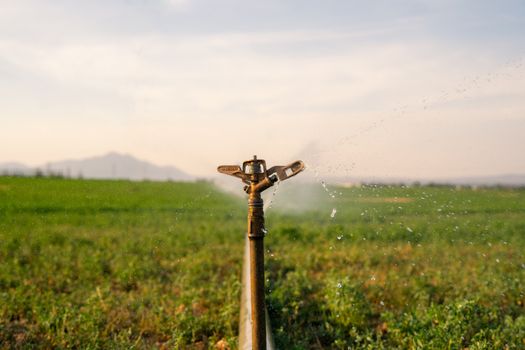
Smart water boxes are containers designed to store and distribute water for agricultural purposes effectively. They are equipped with smart technology that allows for automated irrigation schedules, moisture level monitoring, and even weather-based adjustments. By utilizing these features, farmers can optimize water usage and ensure their crops receive the right amount of moisture, all while minimizing waste.
Benefits of Using Smart Water Boxes
- Water Conservation: Smart water boxes enable precise water delivery to crops, reducing overall water consumption.
- Cost Efficiency: By optimizing irrigation schedules and reducing water waste, farmers can save significantly on water bills.
- Time-Saving: Automation means less manual labor and more time for other important farm tasks.
- Data-Driven Decisions: Many smart water boxes provide data that can help farmers make informed decisions about their irrigation practices.
Building Your Own Smart Water Box
Building a smart water box doesn't have to break the bank. With some planning, affordable materials, and a little DIY spirit, you can create an efficient irrigation system tailored to your agricultural needs.
Materials Needed
- Water Storage Container: Look for food-grade plastic tanks or barrels. These can often be found at local hardware stores or online at a reasonable price.
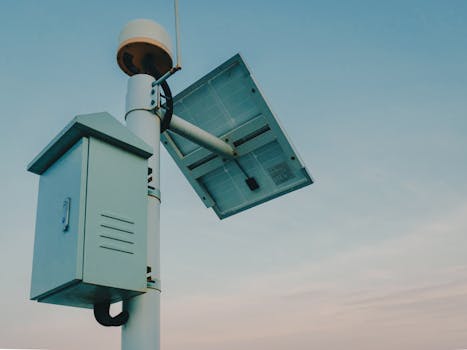
- Solar-Powered Pump: To automate water distribution, consider investing in a solar-powered pump. They are eco-friendly and can be found at budget-friendly prices.
- Moisture Sensors: These devices can be purchased inexpensively and will help monitor soil moisture levels to ensure optimal irrigation timing.
- Drip Irrigation Tubing: This tubing is essential for directing water to plant roots efficiently. It's affordable and easy to install.
- Basic Tools: You will need a drill, scissors, and a wrench for the assembly process.
Step-by-Step Building Guide
Follow these steps to create your own smart water box:
- Select Your Location: Choose a spot that is easily accessible to your crops and has good sunlight exposure for the solar pump.
- Prepare the Water Storage Container: Clean and sanitize your water container before use. Drill holes for the inlet and outlet valves as needed.
- Install the Solar Pump: Connect the solar-powered pump to the water container according to the manufacturer's instructions. Ensure it is secure and functional.
- Set Up Moisture Sensors: Position moisture sensors in the soil near your crops. Connect them to your irrigation system to automate the watering process.
- Lay Drip Irrigation Tubing: Use the drip tubing to direct water from the pump to your plants. Ensure that the tubing reaches all areas of your garden or field.
- Test the System: Before fully relying on your smart water box, conduct a test run. Adjust the pump timing and sensor settings as necessary.
Cost-Saving Tips
Here are some additional tips to keep your smart water box project budget-friendly:
- Buy Used Materials: Check local classifieds or online marketplaces for used water tanks and pumps to save money.
- DIY Sensors: If you're tech-savvy, consider creating your own moisture sensors using affordable microcontrollers like Arduino.
- Group Purchases: If you’re part of a farming community, buy materials in bulk to take advantage of discounts.
- Utilize Rainwater: Incorporate a rainwater harvesting system to fill your water box, further reducing costs.
Conclusion
Leveraging smart water boxes for agricultural irrigation can revolutionize the way you manage water resources on your farm. By taking a DIY approach with budget-friendly materials and techniques, you can create an efficient irrigation system that not only saves water but also cuts down on costs. For more detailed plans and resources, consider checking out Ted Water System, which offers a variety of plans to help you optimize your irrigation methods.
FAQ
- What is the main advantage of using a smart water box?
Smart water boxes provide precise irrigation, reducing water waste and costs. - Can I build a smart water box on a budget?
Yes, using affordable materials and DIY methods can significantly reduce costs. - Are moisture sensors necessary for a smart water box?
While not strictly necessary, moisture sensors greatly enhance the efficiency of your irrigation system.
📚 Related Articles
🔨 Want 16,000+ Water System Plans?
Get instant access to step-by-step plans with blueprints and cut lists.
Get Instant Access →