What is Rain Harvesting?
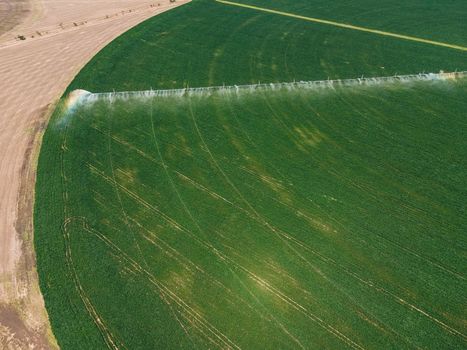
Rain harvesting, also known as rainwater harvesting, is the practice of collecting and storing rainwater from rooftops, land surfaces, or other catchment areas for reuse. The collected water can be used for various purposes such as irrigation, flushing toilets, and even drinking after proper treatment.
Benefits of Rain Harvesting
- Water Conservation: Reduces the demand for municipal water supply.
- Cost Savings: Lower water bills and reduced dependence on water utility services.
- Environmental Impact: Reduces stormwater runoff and helps recharge groundwater.
Understanding Smart Water Boxes
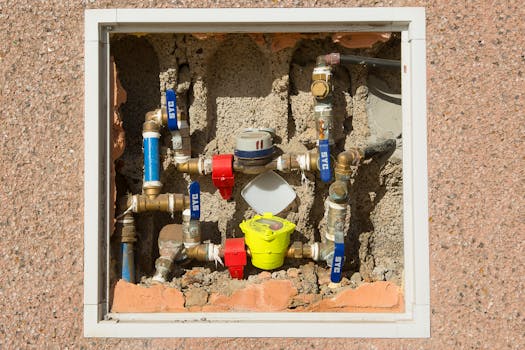
A Smart Water Box is an innovative system designed to improve the efficiency of rain harvesting. It uses advanced technology to monitor and manage the collected rainwater, ensuring that it is stored properly and used effectively.
Key Features of Smart Water Boxes
- Automated Monitoring: Tracks water levels, quality, and usage, providing real-time data.
- Smart Irrigation Control: Integrates with irrigation systems to optimize water usage based on weather conditions.
- Alerts and Notifications: Sends notifications for maintenance needs or when water levels are low.
Common Mistakes to Avoid in Rain Harvesting
While rain harvesting can significantly contribute to water conservation, there are common mistakes that can hinder the effectiveness of the system. Here are some pitfalls to watch out for:
1. Poor System Design
Many homeowners make the mistake of not designing their rain harvesting system adequately. A poorly designed system can lead to insufficient water capture and storage.
Tip: Before installation, consult with experts or resources like Ted Water System to ensure that your system is designed according to your needs and local regulations.2. Neglecting Maintenance
Another common oversight is failing to maintain the rainwater harvesting system. Regular maintenance is crucial for optimal performance.
Tip: Schedule routine inspections and cleaning of gutters, filters, and storage tanks to prevent clogs and contamination.3. Ignoring Water Quality
Collecting rainwater without considering its quality can lead to health risks. Contaminated water can pose serious health hazards.
Tip: Implement a filtration system and conduct regular water quality tests to ensure that the stored rainwater is safe for its intended use.4. Inadequate Storage Capacity
Assuming that a small storage tank will suffice is a common mistake. Insufficient storage can lead to overflow during heavy rains, resulting in lost water.
Tip: Assess your water needs and install a storage tank with sufficient capacity to handle peak rainfall.5. Overlooking Local Regulations
Some homeowners overlook local regulations regarding rainwater harvesting, which can lead to legal complications.
Tip: Research your local laws and obtain any necessary permits before starting your rain harvesting project.How a Smart Water Box Improves Rain Harvesting
Integrating a Smart Water Box into your rain harvesting system can significantly enhance its efficiency and effectiveness.
1. Enhanced Monitoring
The Smart Water Box provides real-time data on water levels and quality, allowing for informed decisions in usage and maintenance.
2. Efficient Usage
With smart irrigation controls, the system can adjust watering schedules according to rainfall, preventing overuse of stored rainwater.
3. Increased Accessibility
Smart notifications ensure that you are aware of any issues, allowing for timely maintenance and ensuring the system runs smoothly.
Conclusion
Rain harvesting is a vital practice for enhancing water conservation. By avoiding common mistakes and integrating advanced solutions like Smart Water Boxes, you can significantly improve the efficiency of your rain harvesting system. Make sure to leverage resources such as Ted Water System for planning and optimizing your setup, and enjoy the benefits of sustainable water use.
FAQ
1. How much rainwater can I realistically collect?
The amount of rainwater you can collect depends on the size of your catchment area and the average rainfall in your region. A typical home can collect thousands of gallons annually.
2. Is rainwater safe to drink?
Rainwater can be safe to drink after proper filtration and treatment. It's essential to test the water quality regularly.
3. What maintenance does a rain harvesting system require?
Maintenance includes cleaning gutters, checking filters, inspecting storage tanks, and testing water quality to prevent contamination.
🔨 Want 16,000+ Water System Plans?
Get instant access to step-by-step plans with blueprints and cut lists.
Get Instant Access →