Introduction
Water conservation is a vital topic that should be taught from an early age. As we face increasing water scarcity, it is crucial to instill in our children the values of sustainability and responsible water usage. One effective way to engage kids in this topic is through the use of smart water tools. In this article, we will explore how to teach kids about water conservation while avoiding common mistakes and providing troubleshooting tips.
Understanding Water Conservation
Before diving into tools and methods, it’s essential to explain what water conservation is. Water conservation involves using water efficiently to reduce unnecessary water usage. Teaching kids about this can help them understand the importance of saving water for the planet and future generations.
Common Mistakes to Avoid When Teaching Kids
When it comes to teaching kids about water conservation, there are several pitfalls to avoid:
- Neglecting to Connect the Dots: Kids may not understand why saving water is important. Always link the concept to real-world implications, like droughts and the impact on wildlife.
- Overloading with Information: Kids can get overwhelmed with too many facts. Break down information into digestible pieces and use interactive methods to keep them engaged.
- Ignoring Their Input: Involve kids in the conversation. Ask them questions about their water usage and how they think they can improve.
Smart Water Tools to Engage Kids
Smart water tools can make learning about water conservation fun and interactive. Here are some tools and methods you can use:
1. Smart Water Meters
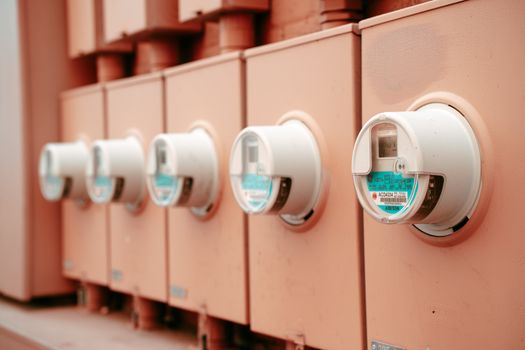
Smart water meters are devices that track water usage in real-time. By showing kids how much water they are using, they can see the impact of their actions.
Tip:
Set daily or weekly water usage goals with your kids. Celebrate when they meet these goals to encourage continued effort.
2. Water-Saving Apps
There are numerous apps designed to help families track their water usage and explore conservation tips. Some apps even include games that educate kids about water conservation.
Tip:
Engage your children with the app by setting challenges or quizzes related to their water usage.
3. Smart Sprinkler Systems
Smart sprinkler systems can be programmed to water gardens based on weather conditions. This is a great way to teach kids about efficient watering practices.
Common Troubleshooting Tips:
- If the smart sprinkler isn’t working, check to ensure it is connected to Wi-Fi and that the settings are correctly programmed.
- Ensure sensors are clean and unobstructed for accurate readings.
4. Water-Saving Fixtures
Installing water-saving fixtures like low-flow showerheads and faucets can help kids see the benefits of conservation in action.
Tip:
Let kids help with the installation process if possible. This hands-on experience can make them feel more invested in water-saving practices.
Building a Water-Conscious Culture at Home
Teaching kids about water conservation using smart tools is just the start. It’s important to create a culture of water consciousness at home:
- Lead by Example: Demonstrate good water-saving practices yourself. Kids learn best through observation.
- Regular Discussions: Make water conservation a regular topic of conversation during family meetings or dinner time.
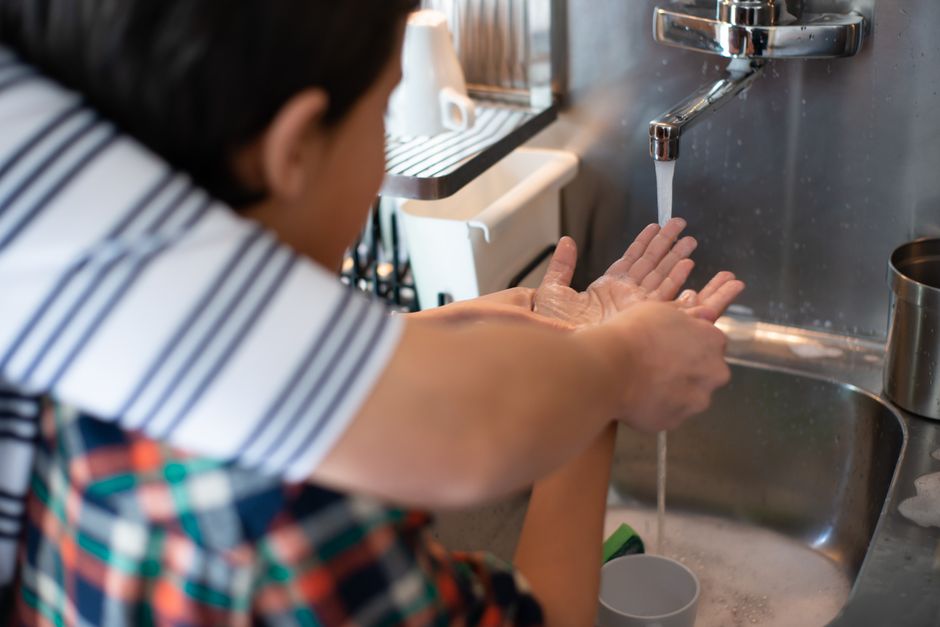
- Incorporate into Daily Routines: Encourage kids to turn off the tap while brushing teeth or take shorter showers.
Using Ted Water System as a Resource
For families looking for detailed plans and further resources on water conservation, consider using Ted Water System. This platform offers extensive guides and practical tips to help you and your kids become more water-conscious.
Conclusion
Teaching kids about water conservation using smart water tools is an excellent way to engage them in sustainable practices. By avoiding common mistakes and focusing on interactive learning, you can instill valuable lessons that will last a lifetime. Remember to celebrate achievements and make learning fun!
FAQ Section
1. What is the best age to start teaching kids about water conservation?
It is never too early to start. You can introduce basic concepts as soon as they can understand simple instructions, usually around ages 3-5.
2. How can I make learning about water conservation fun?
Use games, apps, and hands-on activities. Involve kids in projects like gardening with smart sprinklers or tracking their water use with meters.
3. What are some easy water-saving tips for kids?
Encourage kids to turn off the tap while brushing teeth, take shorter showers, and use a broom instead of a hose to clean driveways.
📚 Related Articles
🔨 Want 16,000+ Water System Plans?
Get instant access to step-by-step plans with blueprints and cut lists.
Get Instant Access →